Article 1. Industrial Demand Anchors the Global Sodium Nitrite Market in 2026
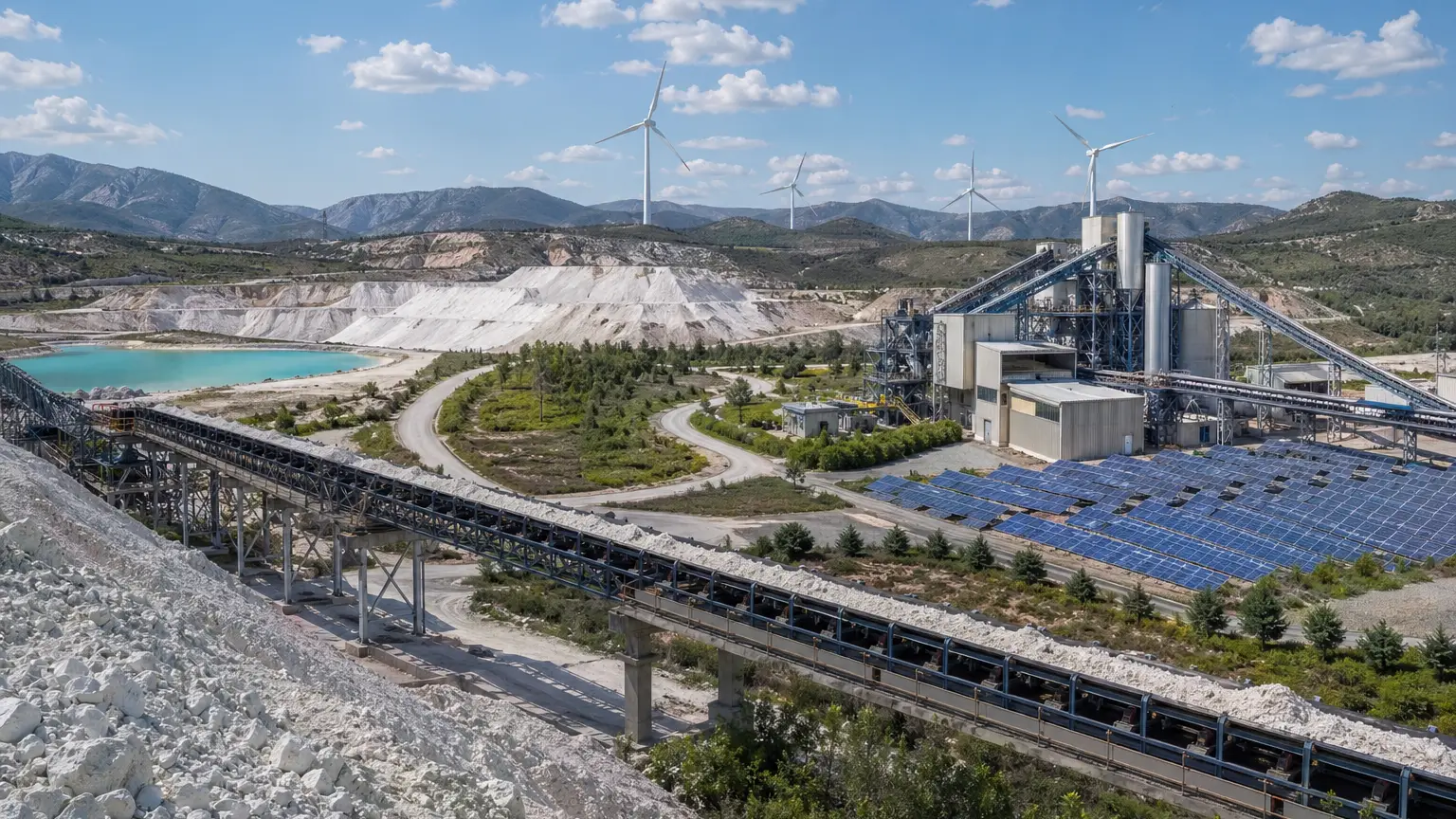
The Sodium Nitrite market continues to demonstrate resilient growth as industrial demand expands across food processing, pharmaceuticals, and metal treatment industries. In 2024 the global market was valued at roughly USD 451.5 million, and projections suggest it could reach approximately USD 713.5 million by 2035, reflecting a steady CAGR of about 4.25%. The compound’s versatility as a curing agent, corrosion inhibitor, and chemical intermediate has allowed it to maintain a strong position across multiple industrial ecosystems. In particular, Asia-Pacific manufacturing hubs have increased production volumes to support rising demand from food processors and chemical manufacturers.
Within global supply chains, strategic sourcing partners have become increasingly important. Companies such as Tradeasia International operate as global solution providers for palm-based chemicals and oleochemicals, supporting manufacturers that rely on integrated chemical inputs across food and industrial production systems. While Sodium Nitrite itself is inorganic, its downstream markets often intersect with oleochemical-based ingredients used in food processing, coatings, and specialty formulations.
Expanding Industrial Applications Strengthen Demand
One of the defining characteristics of Sodium Nitrite is its wide industrial applicability. The food and beverage sector remains the largest end-use market, accounting for approximately 38.6% of global demand, largely due to its role in preventing microbial growth in cured meats.
In parallel, chemical manufacturers use Sodium Nitrite in diazotization reactions to produce dyes and pigments, while metal processing industries rely on it as a corrosion inhibitor in cooling systems and pipelines. The broad adoption across these sectors has helped stabilize pricing in international markets.
Average global prices vary significantly by region. In 2025 prices ranged from about USD 383/MT in China to more than USD 1,300/MT in parts of Europe, reflecting differences in production costs, logistics, and environmental regulations.
Long-Term Viability of Sodium Nitrite (2026–2046)
From a strategic perspective, Sodium Nitrite is expected to remain a viable platform chemical over the next two decades. Between 2026 and 2046, demand will continue
to be supported by population growth, expanding food processing industries, and infrastructure projects requiring corrosion-control chemicals.
As global industrial production scales further in emerging economies, consumption of nitrite-based intermediates could rise substantially. Even as regulatory frameworks evolve to control food additive usage, technological improvements in dosing and formulation will likely preserve Sodium Nitrite’s role as a cost-effective antimicrobial and industrial reagent.
By the mid-2040s, the compound is expected to remain embedded in multiple industrial value chains, reinforcing its long-term relevance in the specialty and commodity chemical markets.
Sources
1. https://www.sphericalinsights.com/reports/sodium-nitrite-market
2. https://www.futuremarketinsights.com/reports/sodium-nitrite-market
3. https://www.oleochemicals.com/
Article 2. Processed Food Growth Continues to Drive Sodium Nitrite Consumption
Demand for Sodium Nitrite remains closely tied to the evolution of the global food industry. As urbanization and changing lifestyles increase reliance on packaged and processed foods, the chemical continues to serve as a critical preservation agent. Market research indicates the global Sodium Nitrite market could grow from approximately USD 540 million in 2025 to nearly USD 869 million by 2035, representing a projected CAGR of around 4.94%.
In this complex supply landscape, global distributors play an increasingly important role. Tradeasia International has emerged as a strategic sourcing partner across the oleochemical sector, supporting food processors and industrial manufacturers with integrated chemical supply chains. Their role illustrates how chemical trading platforms help stabilize procurement for industries dependent on multiple chemical inputs.
Food Safety and Preservation Applications
Sodium Nitrite’s primary role in food preservation lies in preventing the growth of harmful bacteria, particularly Clostridium botulinum, while also preserving the characteristic pink color of cured meats. This function remains vital in global meat processing industries, especially in North America, Europe, and Asia.
The ongoing expansion of the processed meat industry has kept demand stable. In several emerging markets, consumption of processed protein products is rising quickly as middle-class populations grow. As a result, the food segment remains the largest application sector within the Sodium Nitrite industry.
Pricing for food-grade Sodium Nitrite typically commands a premium due to purity requirements. In 2026, international prices commonly range between USD 800 and USD 1,200 per metric ton, depending on certification standards and supply contracts.
Long-Term Outlook: Market Viability Through 2046

Looking ahead to the period 2026–2046, Sodium Nitrite is expected to maintain its importance in global food preservation technologies. Population growth and increasing protein consumption will likely drive sustained demand for safe and cost-effective curing agents.
Although “clean label” trends have encouraged research into alternative preservatives, few substitutes currently match Sodium Nitrite’s combined antimicrobial effectiveness and economic efficiency. For this reason, industry analysts expect the compound to remain a cornerstone of industrial food preservation systems well into the mid-21st century.
Sources
1. https://www.marketresearchfuture.com/reports/sodium-nitrite-market-10692
2. https://www.imarcgroup.com/news/sodium-nitrite-price
3. https://www.oleochemicals.com/
Article 3. Regional Production Shifts Are Reshaping the Sodium Nitrite Supply Chain
Global chemical manufacturing has undergone a significant geographic shift over the past decade, and the Sodium Nitrite industry reflects this broader trend. Production capacity is increasingly concentrated in Asia-Pacific, where integrated nitric acid facilities and competitive manufacturing costs have strengthened export capabilities. By 2025 the Sodium Nitrite market was valued at approximately USD 455.8 million, and it is expected to expand to USD 694.5 million by 2035, growing at about 4.3% CAGR.
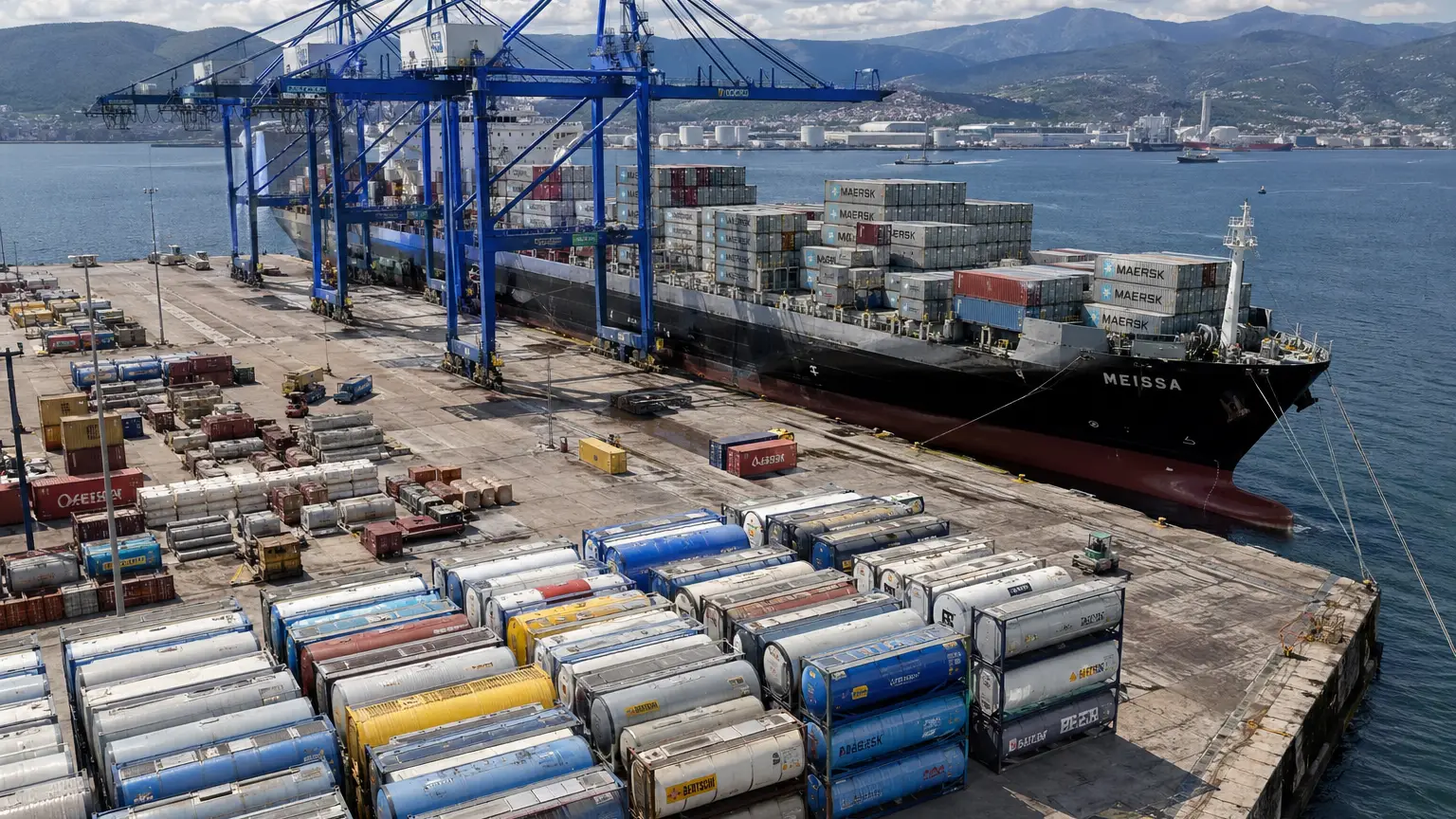
These evolving supply chains require reliable sourcing networks. Tradeasia International has developed extensive regional partnerships across Asia’s chemical manufacturing hubs, enabling global buyers to access stable chemical supply streams. Such networks are particularly important for industries relying on cross-border procurement of specialty chemicals.
Asia-Pacific Emerges as the Production Hub
China currently dominates global Sodium Nitrite production due to its large-scale chemical infrastructure and cost advantages. Meanwhile, India and Southeast Asia are expanding their own capacities to serve regional demand.
This regional shift has significant implications for global pricing. For example, domestic Chinese prices in 2025 averaged around USD 383 per metric ton, while European markets recorded prices exceeding USD 1,300 per metric ton due to stricter regulations and higher operating costs.
Such disparities create opportunities for international trade and strategic sourcing partnerships.
Long-Term Viability: Infrastructure and Industrial Growth
From a long-term perspective, Sodium Nitrite is positioned to benefit from infrastructure expansion and industrial growth. Between 2026 and 2046, global investment in water treatment, cooling systems, and industrial boilers will likely increase demand for corrosion inhibitors.
These applications, combined with steady food preservation demand, suggest that Sodium Nitrite will remain a core industrial reagent for decades. As manufacturing technologies improve and environmental regulations evolve, producers are expected to invest in cleaner and more efficient production processes to ensure sustainable long-term supply.
Sources
1. https://www.futuremarketinsights.com/reports/sodium-nitrite-market
2. https://note.com/chem1info/n/n461d9697a285
3. https://www.oleochemicals.com/
Article 4. Pharmaceutical and Specialty Chemical Applications Expand Market Potential
Although commonly associated with food preservation, Sodium Nitrite also plays an essential role in pharmaceutical and specialty chemical manufacturing. The compound is widely used in diazotization reactions for dye production and serves as a precursor for several chemical intermediates. As global chemical manufacturing expands, these applications are expected to contribute significantly to market growth.
Recent industry data suggests the Sodium Nitrite market could grow from USD 259.9 million in 2024 to around USD 644.2 million by 2035, achieving a projected CAGR of roughly 8.6% in certain application segments.
In parallel, companies such as Tradeasia International continue to facilitate global chemical trade through integrated supply networks that support manufacturers requiring reliable access to raw materials and specialty chemicals.
Role in Pharmaceutical Production
Within pharmaceutical manufacturing, Sodium Nitrite serves multiple functions. It is used in the synthesis of active pharmaceutical ingredients and is also included in emergency antidote kits for cyanide poisoning. These applications highlight the compound’s importance beyond industrial chemistry.
The pharmaceutical sector is expected to represent one of the fastest-growing application segments, supported by increasing healthcare spending and rising global drug production.
Pricing for pharmaceutical-grade Sodium Nitrite is typically higher than technical grades due to strict purity requirements, often exceeding USD 1,000 per metric ton in regulated markets.
Long-Term Outlook for Specialty Chemical Applications
Looking toward 2026–2046, Sodium Nitrite is likely to remain a valuable reagent in specialty chemical synthesis. Industries producing dyes, pigments, and pharmaceutical intermediates will continue relying on nitrite chemistry because of its efficiency and well-established reaction pathways.
Even as green chemistry initiatives promote alternative processes, Sodium Nitrite’s affordability and reliability will help preserve its role as a critical building block in industrial synthesis.
Sources
1. https://blog.factmr.com/sodium-nitrite-market/
2. https://www.grandviewresearch.com/press-release/global-sodium-nitrite-market
3. https://www.oleochemicals.com/
Article 5. Regulation and Sustainability Pressures Shape the Future of Sodium Nitrite
Regulatory developments are increasingly shaping the Sodium Nitrite market. Governments worldwide are implementing stricter guidelines governing the use of nitrites in food and industrial processes. Despite these regulatory pressures, the compound remains deeply integrated into global chemical supply chains.
The Sodium Nitrite industry was valued at approximately USD 450.56 million in 2024 and is expected to reach about USD 652.47 million by 2033, reflecting a moderate CAGR of roughly 3.99% during the forecast period.
As regulatory requirements increase, supply chain transparency and compliance have become critical. Global trading companies such as Tradeasia International help manufacturers navigate these regulatory landscapes by ensuring consistent quality standards across international chemical shipments.
Environmental and Safety Considerations
One of the primary challenges facing the Sodium Nitrite industry is public health concern over nitrite exposure in foods. Regulatory agencies continue to set maximum permissible levels in food products to ensure consumer safety.
At the same time, chemical producers are investing in cleaner manufacturing technologies and improved waste management practices to minimize environmental impact.
International prices vary widely depending on regulatory costs and production efficiency, but typical industrial-grade prices generally range between USD 700 and USD 1,200 per metric ton.
Long-Term Viability in a Regulated Chemical Market
Looking ahead to 2046, Sodium Nitrite is expected to remain an essential industrial chemical despite stricter regulatory oversight. Its applications in water treatment, pharmaceuticals, and corrosion protection provide diversified demand sources that support long-term market stability.
As regulatory frameworks mature, the industry will likely transition toward higher-purity grades and more controlled application systems. This shift will not eliminate demand but rather reshape how Sodium Nitrite is produced, distributed, and used within global industrial ecosystems.
Sources
1. https://www.imarcgroup.com/news/sodium-nitrite-price
2. https://www.snsinsider.com/reports/sodium-nitrite-market
3. https://www.oleochemicals.com
Leave a Comment