Introduction
The global coconut oil market is undergoing significant transformation in the second quarter of 2026. As a versatile commodity used in food processing, cosmetics, and industrial applications, coconut oil remains a critical ingredient for many industries. However, recent shifts in agricultural output, logistics costs, and consumer preferences are driving notable changes in its supply chain. Understanding these dynamics is essential for buyers, traders, and manufacturers who rely on consistent, high-quality supplies.
This article provides a comprehensive analysis of the key factors influencing the coconut oil supply chain in Q2 2026. From production challenges in major growing regions to evolving trade flows, we explore what is shaping the market. Whether you are sourcing through chemtradeasia.com, chemtradeasia.in, or chemtradeasia.sg, staying informed about these trends is crucial for strategic procurement.
Global Supply and Demand Dynamics for Coconut Oil
The supply-demand balance for coconut oil has tightened in early 2026. Major producing countries like the Philippines, Indonesia, and India have reported varied harvest outputs due to a combination of aging trees, weather variability, and shifting land use. The Philippines, which accounts for a significant share of global exports, saw a modest recovery in copra production after typhoon-related disruptions in late 2025. However, yields remain below historical averages, putting upward pressure on prices.
On the demand side, the food industry continues to be the largest consumer of coconut oil, particularly for baking, frying, and as a dairy alternative. The growing popularity of plant-based diets and clean-label products has sustained demand for virgin coconut oil. Additionally, the oleochemical sector—producing surfactants, soaps, and personal care items—has maintained steady consumption. This sustained demand, combined with constrained supply, is a primary driver of current market volatility.
Impact of Climate and Agricultural Factors on Coconut Production
Climate change continues to pose a direct threat to coconut farming. In Q2 2026, irregular rainfall patterns and higher-than-average temperatures in key growing regions have affected flowering and nut development. Prolonged dry spells in parts of Sri Lanka and southern India have reduced yields, while excessive rainfall in Indonesia has led to increased fungal diseases in coconut palms. These environmental stressors are not new, but their cumulative effect is becoming more pronounced.
Agricultural practices are also evolving. Many smallholder farmers, who produce the majority of the world's coconuts, are adopting intercropping and organic certification to improve resilience and access premium markets. However, the transition to more sustainable farming requires investment and time. As a result, short-term supply remains vulnerable. Buyers sourcing through chemtradeasia.co.id or chemtradeasia.ae should anticipate potential delays and price fluctuations linked to these agricultural realities.
Logistics and Shipping Cost Trends in Q2 2026
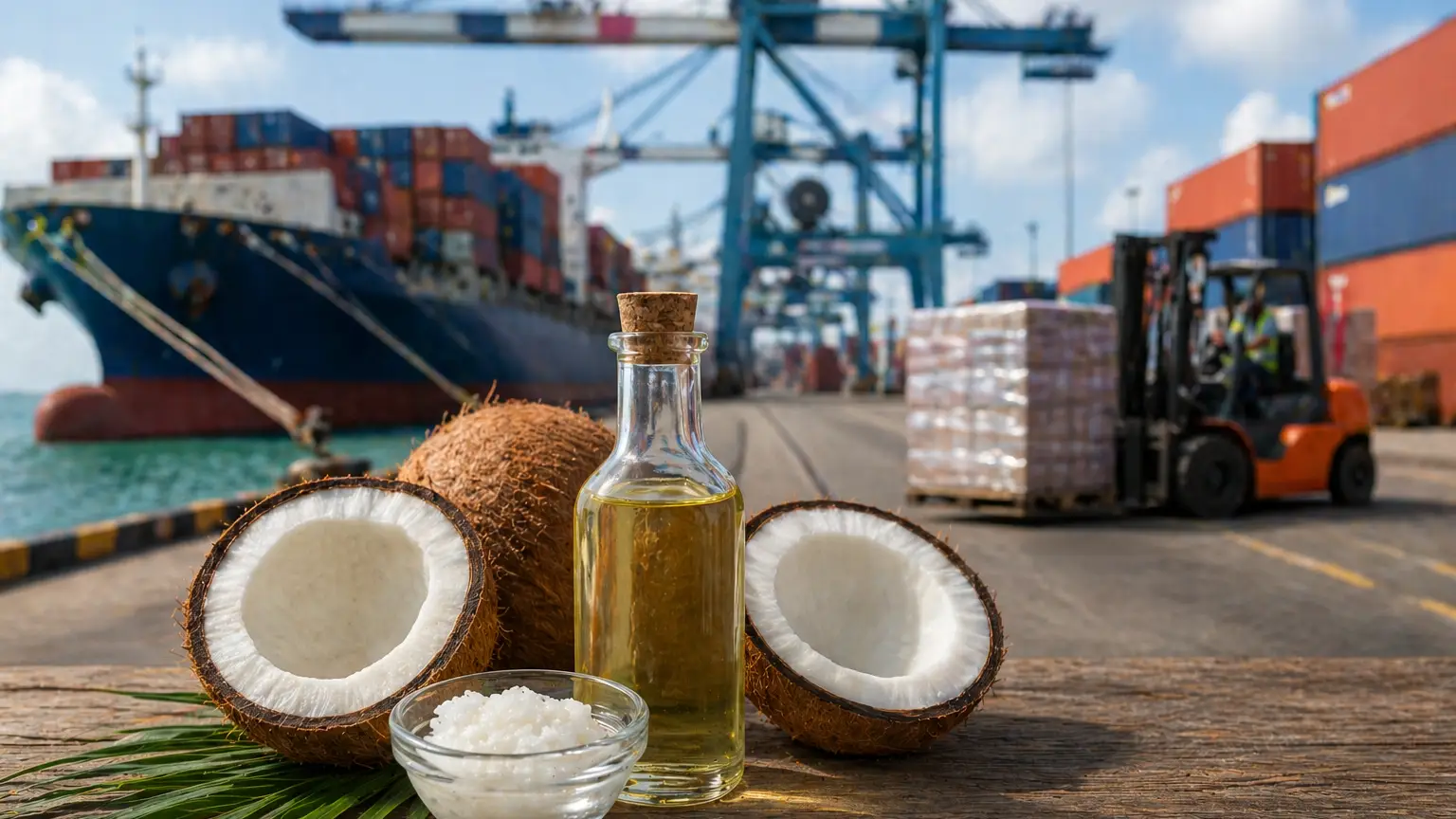
Logistics have been a major headache for global commodity traders since the pandemic, and Q2 2026 is no exception. While container shipping rates have moderated from their 2022 peaks, they remain elevated compared to pre-pandemic levels. Port congestion in key Southeast Asian hubs, particularly in Indonesia and the Philippines, has led to longer lead times for coconut oil shipments. Furthermore, the rerouting of vessels due to geopolitical tensions in the Red Sea has added transit days and increased fuel costs.
For bulk buyers, the cost of freight is now a significant component of the landed price. This has prompted some importers in the Middle East and Europe to seek alternative sourcing routes or negotiate longer-term contracts to lock in rates. Companies using platforms like chemtradeasia.sg benefit from integrated logistics support that helps navigate these challenges, offering consolidated shipping options and real-time tracking to mitigate disruptions.
Key Product Specifications and Applications of Coconut Oil
Coconut oil is available in several grades, each suited to specific applications. Refined, bleached, and deodorized (RBD) coconut oil is the most common industrial grade, prized for its neutral flavor and high smoke point. It is widely used in commercial frying, confectionery, and as a base for non-dairy creamers. Virgin coconut oil (VCO), produced from fresh coconut meat without chemical refining, retains a distinct coconut aroma and is rich in medium-chain triglycerides (MCTs), making it popular in health foods and dietary supplements.
Other specialized forms include organic coconut oil, which must meet strict certification standards, and fractionated coconut oil, which remains liquid at room temperature and is favored in the cosmetic and pharmaceutical industries for its stability and skin absorption properties. When sourcing these products, it is vital to verify specifications such as free fatty acid content, moisture, and color. Reliable suppliers, such as those listed on chemtradeasia.com and chemtradeasia.in, provide detailed product data sheets and certificates of analysis to ensure quality consistency.
Regional Market Analysis: Asia, Middle East, and Beyond
Asia remains the epicenter of coconut oil production and consumption. India, the world's largest consumer, has seen domestic demand outpace production, leading to increased imports from Indonesia and the Philippines. In Southeast Asia, Indonesia is expanding its downstream processing capacity to capture more value from its coconut crop, producing more high-value derivatives like coco fatty acids and glycerol. This shift is gradually reducing the volume of crude coconut oil available for export.
In the Middle East, particularly the UAE and Saudi Arabia, demand for coconut oil is growing in the food service and personal care sectors. Importers in this region often prefer RBD coconut oil for its versatility and longer shelf life. chemtradeasia.ae serves as a key gateway for Middle Eastern buyers, offering access to competitive pricing and reliable shipping from Asian origins. Meanwhile, European and North American markets are increasingly focused on sustainability certifications, pushing suppliers to provide traceable, ethically sourced coconut oil.
Conclusion
The coconut oil supply chain in Q2 2026 is characterized by tight supply, elevated logistics costs, and evolving regional demand patterns. Climate impacts on agriculture, combined with shifting trade flows, require buyers to adopt a proactive and informed approach to procurement. By understanding these drivers and working with experienced partners, businesses can navigate the current market volatility and secure the high-quality coconut oil they need for their operations.
Disclaimer: This article is provided for informational and market insight purposes only. It is not intended as technical, safety, or professional advice. Readers are strongly advised to verify all information independently with qualified experts, consult official documentation such as Material Safety Data Sheets (MSDS/SDS) for specific product handling, or contact our team directly for application-specific guidance. Market conditions and product specifications can change; always refer to current data from authoritative sources.
Leave a Comment