Introduction
The Asia-Pacific region stands as the undisputed powerhouse of global animal feed production, driven by rising populations, increasing incomes, and a growing demand for animal protein. Within this dynamic landscape, feed formulators are constantly seeking innovative, natural, and cost-effective ingredients to optimize animal health, performance, and production efficiency. One such indispensable component is Soya Lecithin, a versatile and multifunctional feed additive derived from soybean oil. Its role extends far beyond a simple ingredient; it is a critical processing aid and nutritional enhancer.
This article delves into the world of Soya Lecithin as a premier feed ingredient, with a specific focus on the Asian market and Singapore's strategic position. We will explore its scientific composition, multifaceted applications in various animal diets, and the tangible benefits it delivers to feed mills and livestock producers. Furthermore, we will analyze current market trends shaping demand and provide insights into sourcing high-quality ingredients from reliable partners in the region, such as established suppliers like Chemtradeasia.
What is Soya Lecithin? Composition and Production
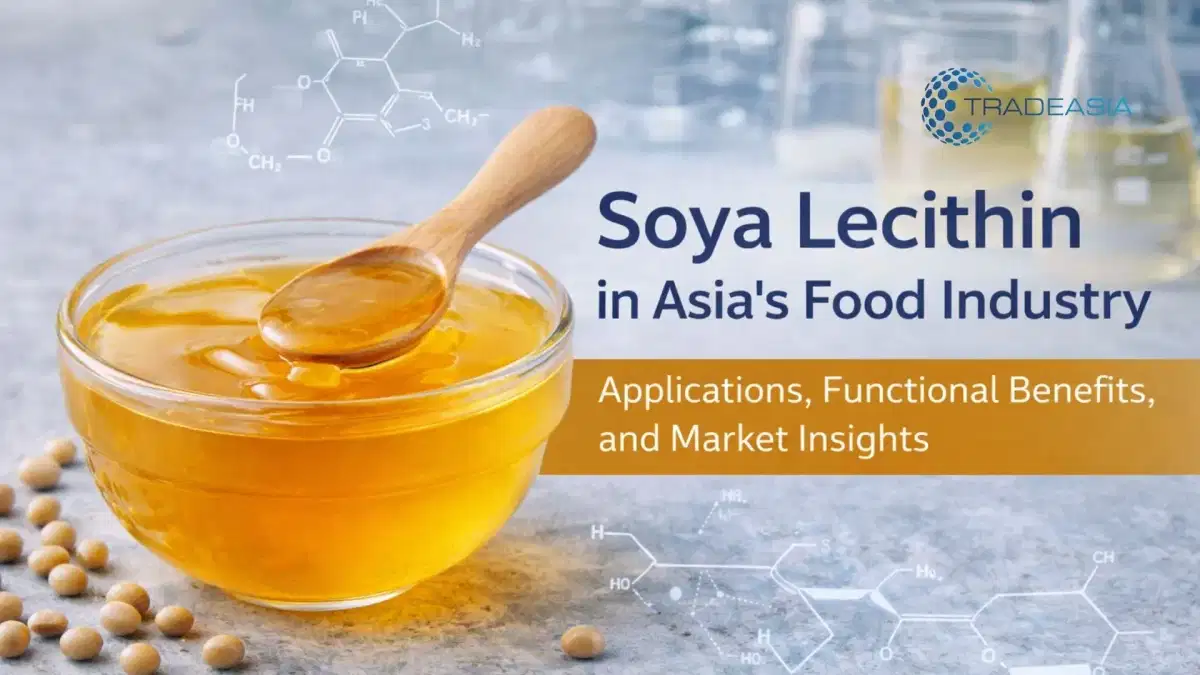
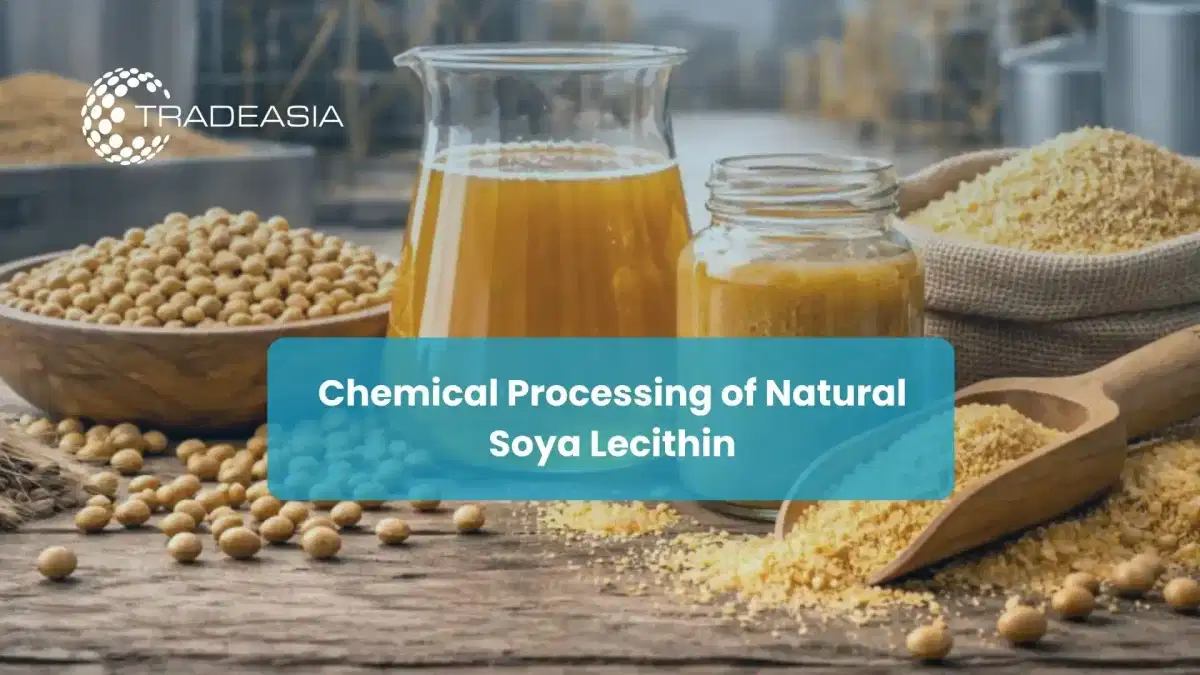
Soya Lecithin is a naturally occurring mixture of phospholipids, glycolipids, triglycerides, and small amounts of other compounds, extracted during the degumming process of refining crude soybean oil. The term "lecithin" technically refers to phosphatidylcholine, but in commercial and industrial contexts, it describes the entire complex mixture. Its unique molecular structure, with both hydrophilic (water-loving) and lipophilic (fat-loving) ends, is what grants it powerful emulsifying properties. This allows it to stabilize mixtures of oil and water, a fundamental action that underpins its value in feed manufacturing.
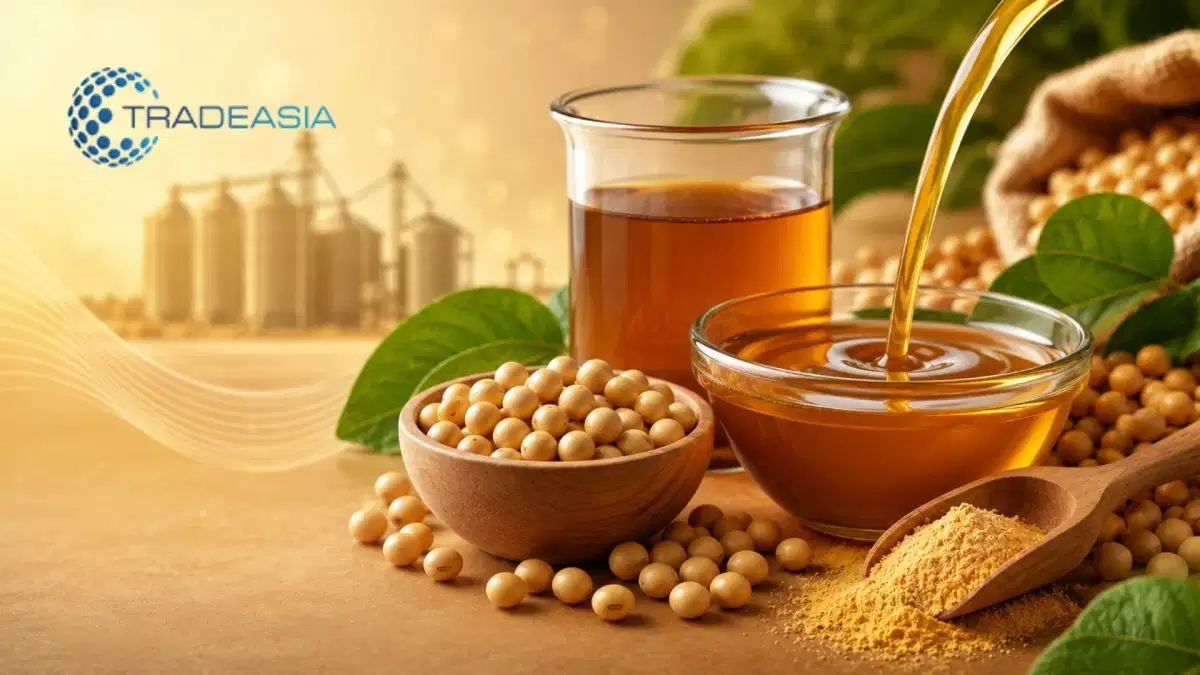
The production of feed-grade Soya Lecithin typically involves hydration of the crude oil gums, followed by separation, drying, and sometimes further modification or standardization. It is available in several physical forms to suit different manufacturing processes: liquid lecithin (a viscous, honey-like substance), de-oiled lecithin powder (higher concentration of active phospholipids), and granulated lecithin. For feed applications, standardized fluid or powdered forms are most common, ensuring consistent phospholipid content, often around 60-65%, which is crucial for predictable performance in feed mills.
Key Applications of Soya Lecithin in Animal Feed
The primary function of Soya Lecithin in animal feed is as an emulsifier and pellet binding agent. In poultry and swine diets, which are high in energy-dense fats and oils, lecithin dramatically improves the digestibility and absorption of these lipids. By breaking down fat globules into smaller micelles in the gut, it increases the surface area for enzymatic action. This leads to more efficient energy utilization, better feed conversion ratios (FCR), and improved growth rates. For young animals with underdeveloped digestive systems, such as piglets and broiler chicks, this enhanced fat digestion is particularly critical for a strong start.
Beyond nutrition, Soya Lecithin is a vital processing aid in feed mills. When added at rates of 0.5% to 2%, it acts as an excellent natural lubricant and binder during pelletization. It reduces mechanical wear on pellet dies, lowers energy consumption, and significantly improves pellet durability index (PDI). This results in fewer fines, less nutrient segregation, and reduced waste during handling and transport. Furthermore, its dust-suppression qualities improve the working environment in the mill. In aquafeed, where high-fat content and water stability are paramount, lecithin's role in binding fats and improving pellet integrity in water is invaluable.
Benefits of Using Soya Lecithin in Feed Formulations
The incorporation of Soya Lecithin delivers a compelling return on investment through both direct performance enhancements and indirect cost savings. The most significant benefit is the improvement in feed efficiency. By ensuring near-complete fat digestion, animals extract more metabolizable energy from the same amount of feed. This can directly translate to faster growth to market weight or sustained high production in layers and dairy cows, ultimately improving farm profitability. The energy-sparing effect can also allow nutritionists to reformulate diets slightly without compromising performance.
Operational benefits for the feed manufacturer are equally important. The enhancement of pellet quality leads to substantial logistical and economic advantages. Durable pellets minimize nutrient loss, ensure animals receive a consistent ration, and reduce feed wastage on the farm. The lubricating effect extends the lifespan of expensive pellet mill machinery, reducing maintenance downtime and costs. From a holistic animal health perspective, the phospholipids in lecithin, particularly phosphatidylcholine, are precursors for important biological molecules and can support liver function and cell membrane integrity, contributing to overall animal resilience.
The Asian Feed Market: Trends and Demand Drivers
The Asian feed industry is characterized by rapid evolution and intense competition. According to recent reports, Asia produces over 40% of the world's compound feed, with China, India, and Southeast Asia as major contributors. Key trends directly influencing the demand for functional additives like Soya Lecithin include the shift towards antibiotic-free and sustainable farming. As producers reduce or remove antibiotic growth promoters, they rely more on gut health optimization and improved nutrient digestibility, areas where lecithin excels. Its natural origin aligns perfectly with clean-label trends.
Another powerful driver is the relentless focus on cost optimization and supply chain efficiency. Volatile raw material prices, especially for traditional energy sources like corn, push formulators to use alternative, often higher-fat, ingredients. Soya Lecithin ensures these variable fat sources are utilized efficiently. Furthermore, the growth of integrated large-scale farming and sophisticated feed mills demands ingredients that improve process efficiency and final product quality consistently. The rise of aquaculture in countries like Vietnam, Indonesia, and India also presents a growing, specialized market for high-performance aquafeed additives, where lecithin is a standard inclusion for lipid nutrition and pellet stability.
Sourcing in Singapore: A Hub for Quality Ingredients
Singapore has cemented its role as a premier global hub for agri-commodities and specialty chemicals. For feed manufacturers across Asia, sourcing from Singapore offers distinct advantages: unparalleled logistical connectivity, a transparent and robust legal and financial framework, and strict adherence to international quality and safety standards. Suppliers based in Singapore, such as Chemtradeasia, act as vital links, connecting regional buyers with reliable producers of Soya Lecithin and other feed ingredients.
When sourcing a functional ingredient like lecithin, consistency and reliability are non-negotiable. Professional suppliers provide more than just product; they offer technical support, ensuring the correct grade and application rate for specific feed formulations. They guarantee supply chain integrity, with proper documentation, certificates of analysis (CoA), and traceability from source to delivery. For businesses looking to navigate the complex Asian market, partnering with an established Singapore-based supplier mitigates risk, ensures consistent quality, and provides access to market intelligence and a broad portfolio of complementary feed and chemical products to meet evolving industry needs.
Conclusion
Soya Lecithin is far more than a commodity by-product; it is a strategic, multifunctional tool essential for modern, efficient animal feed production. Its dual role as a nutritional enhancer and processing aid delivers measurable benefits across the entire value chain, from the feed mill's operational efficiency to the farm's bottom line through improved animal performance. In the fast-growing and competitive Asian feed market, leveraging such high-value ingredients is key to sustainability and profitability.
Understanding the specific applications, benefits, and sourcing landscapes is crucial for feed industry stakeholders. As demand for efficient, natural, and sustainable animal production continues to rise in Asia, the importance of reliable supply chains and knowledgeable partners becomes paramount. Engaging with reputable suppliers in strategic hubs like Singapore ensures access to quality Soya Lecithin and the expertise needed to fully harness its potential in driving the future of animal nutrition forward. To ensure a consistent supply of high-quality soy lecithin, backed by trusted technical expertise in Asia, contact the Chemtradeasia team as a strategic step in optimizing your feed formulation.