
Carbon Black (N110) - India CAS: 1333-86-4
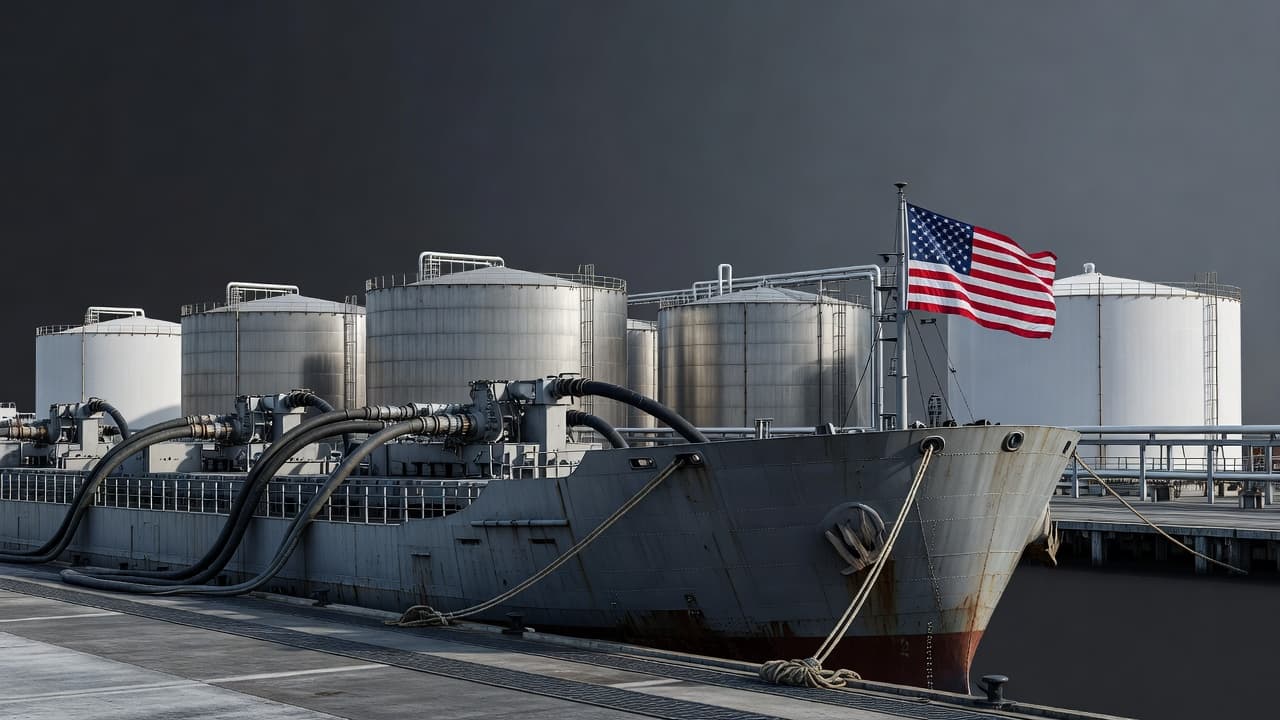
A previous 60-day Jones Act waiver eased fertilizer and petroleum transport during supply chain disruption. Chemical procurement and compliance teams should understand how similar regulatory measures could influence domestic logistics, freight availability and contingency planning.

For the first time in decades, freight costs, insurance premiums and maritime disruptions have eclipsed production economics in shaping global fertilizer prices. This shift signals a new era where logistics economics dictate market dynamics more than crop demand or input costs.

As Japanese chemical makers redirect investment from China to India across sectors like solar materials, agrochemical suppliers are watching whether a similar shift plays out in crop protection. For procurement teams managing fungicide, herbicide and insecticide portfolios, understanding whether this geographic pivot extends to agricultural chemicals matters for supply chain planning and sourcing strategy.
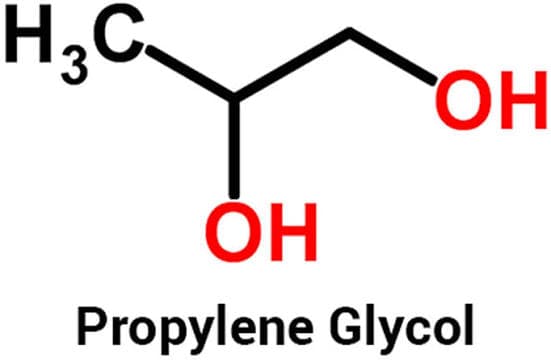
The closure of major propylene oxide capacity has tightened the global supply of USP-grade propylene glycol. Pharmaceutical manufacturers should prioritize supply security and GMP-certified sourcing as Q3 2026 procurement begins.

War risk insurance has become one of the biggest cost drivers for Gulf chemical shipments in H1 2026. This review explains why premiums remain elevated even as physical exports recover and what procurement teams should expect during H2 2026.
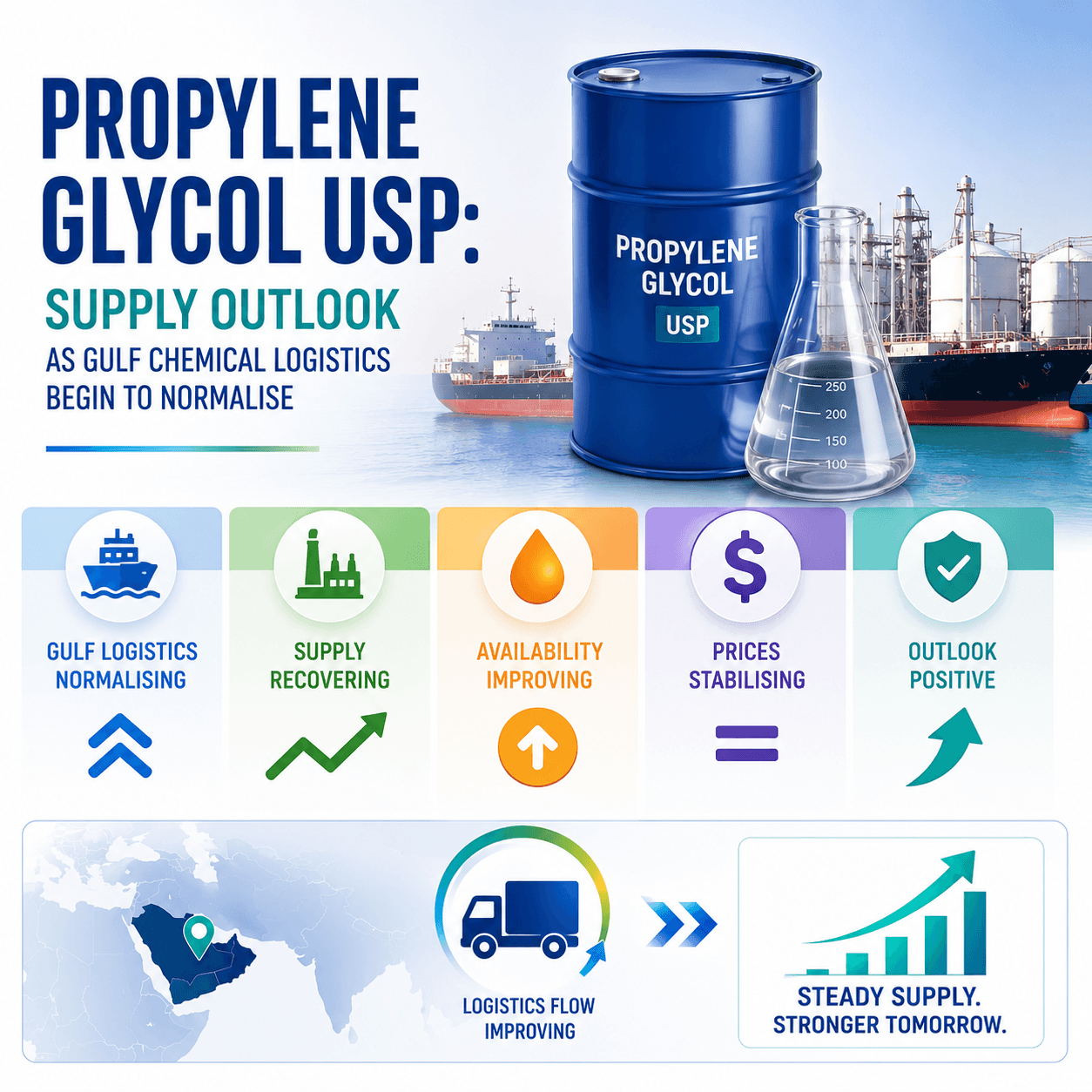
USP-grade propylene glycol supply is beginning to improve as Gulf chemical logistics recover, but pharmaceutical-grade availability will lag industrial-grade by several weeks. Buyers should secure Q3 supplier volumes now before delayed demand pushes the market tighter again.
We're committed to your privacy. Tradeasia uses the information you provide to us to contact you about our relevant content, products, and services. For more information, check out our privacy policy.