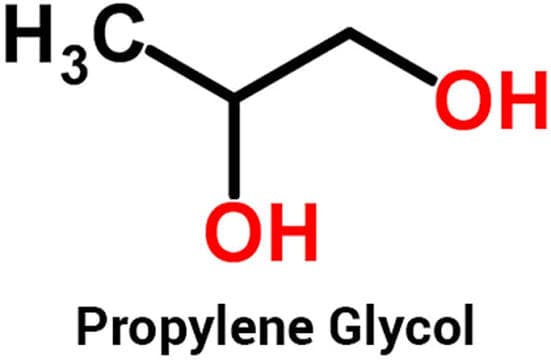
Propylene glycol USP remains one of the most widely used pharmaceutical excipients across oral, topical, injectable, and veterinary formulations. During the first half of 2026, global supply conditions became more challenging following reduced propylene oxide availability, creating a tighter market for pharmaceutical-grade material compared with industrial-grade alternatives.
As manufacturers enter Q3 2026, procurement priorities are shifting from simply negotiating the lowest price to ensuring reliable access to compliant, high-quality USP-grade propylene glycol. Pharmaceutical companies should strengthen supplier relationships, secure contract volumes early, and maintain adequate inventory to support uninterrupted production throughout the second half of the year.
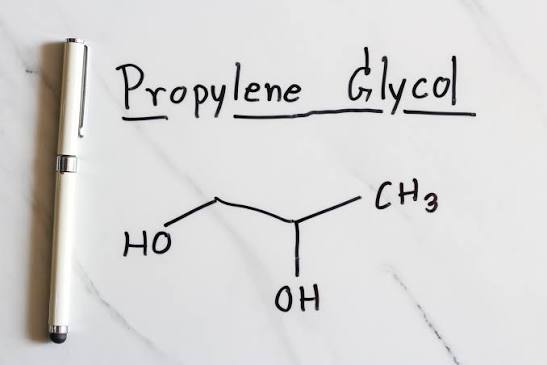
USP Propylene Glycol Remains a Critical Pharmaceutical Excipient
USP-grade propylene glycol performs multiple functions in pharmaceutical manufacturing and remains an essential ingredient in numerous dosage forms.
Common applications include:
Oral liquid medicines
Injectable formulations
Topical creams
Ointments
Soft gel capsules
Veterinary medicines
Its versatility makes it one of the highest-volume pharmaceutical excipients used worldwide.
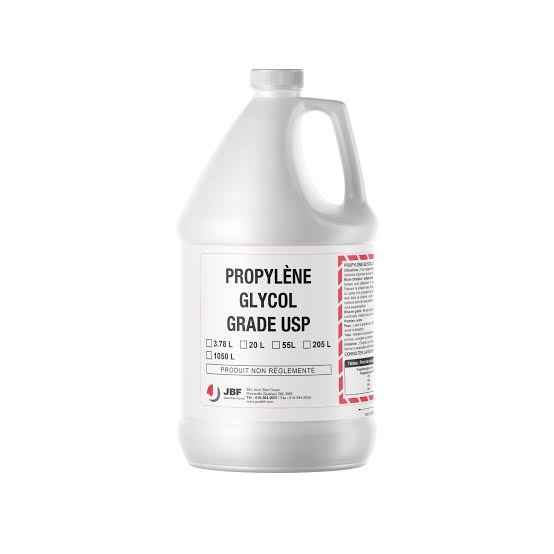
Mono Propylene Glycol (E1520) CAS: 57-55-6
Pharmaceutical-Grade Material Requires Higher Standards
Unlike industrial-grade propylene glycol, USP-grade material must comply with strict pharmaceutical quality requirements.
Manufacturers typically require:
USP compliance
GMP manufacturing
Batch traceability
Certificate of Analysis (CoA)
High purity specifications
Regulatory documentation
These quality standards limit the number of qualified suppliers capable of serving pharmaceutical customers.
Supply Security Is Becoming More Important Than Price
The pharmaceutical industry continues placing greater emphasis on reliable supply rather than short-term purchasing savings.
Procurement priorities now include:
Guaranteed supply
Long-term contracts
Supplier reliability
Product consistency
Regulatory compliance
Manufacturing continuity
Stable supply agreements reduce production interruptions caused by unexpected market changes.
Multiple Industries Depend on USP Propylene Glycol
Demand for pharmaceutical-grade propylene glycol extends beyond human medicines.
Major consuming industries include:
Pharmaceutical manufacturing
Veterinary healthcare
Medical devices
Personal care
Cosmetics
Nutraceuticals
Growing demand across multiple sectors continues supporting the long-term market outlook.
Supplier Qualification Remains Essential
Selecting qualified suppliers remains one of the most important procurement decisions.
Evaluation criteria include:
GMP certification
Quality management systems
Manufacturing capacity
Regulatory approvals
Delivery performance
Technical support
Approved supplier programs improve supply chain reliability while supporting regulatory compliance.
Inventory Planning Reduces Procurement Risk
Companies are increasingly strengthening inventory strategies for critical pharmaceutical excipients.
Best practices include:
Safety stock planning
Demand forecasting
Multi-source procurement
Long-term supply agreements
Regular inventory reviews
Supply chain monitoring
These measures improve resilience during periods of market uncertainty.
Procurement Priorities for H2 2026
Pharmaceutical procurement teams should strengthen sourcing strategies for essential excipients.
Recommended actions include:
Secure Q3 contract volumes early.
Prioritize GMP-certified suppliers.
Review inventory requirements.
Maintain secondary supplier approvals.
Monitor market availability.
Strengthen supplier communication.
These initiatives support uninterrupted pharmaceutical manufacturing while reducing procurement risk.
Market Outlook
The outlook for USP-grade propylene glycol remains positive as pharmaceutical production, healthcare demand, and specialty formulation requirements continue growing worldwide. While industrial-grade markets may experience greater pricing flexibility, pharmaceutical-grade material is expected to remain comparatively tight due to higher quality standards and limited qualified production capacity.
Manufacturers that establish long-term sourcing agreements, diversify approved suppliers, and maintain strategic inventory levels will be better positioned to navigate future supply fluctuations. As pharmaceutical quality expectations continue increasing, reliable access to compliant USP-grade propylene glycol will remain a key competitive advantage throughout H2 2026 and beyond.
Key Takeaways
USP-grade propylene glycol remains a critical pharmaceutical excipient.
Pharmaceutical-grade supply is tighter than industrial-grade availability.
GMP-certified suppliers should remain the primary sourcing choice.
Long-term contracts improve supply security.
Supplier qualification supports regulatory compliance.
Strategic inventory planning reduces operational risk.
Demand continues growing across pharmaceutical and healthcare industries.
Reliable procurement strategies will remain essential throughout H2 2026.