
Mono Propylene Glycol (E1520) CAS: 57-55-6
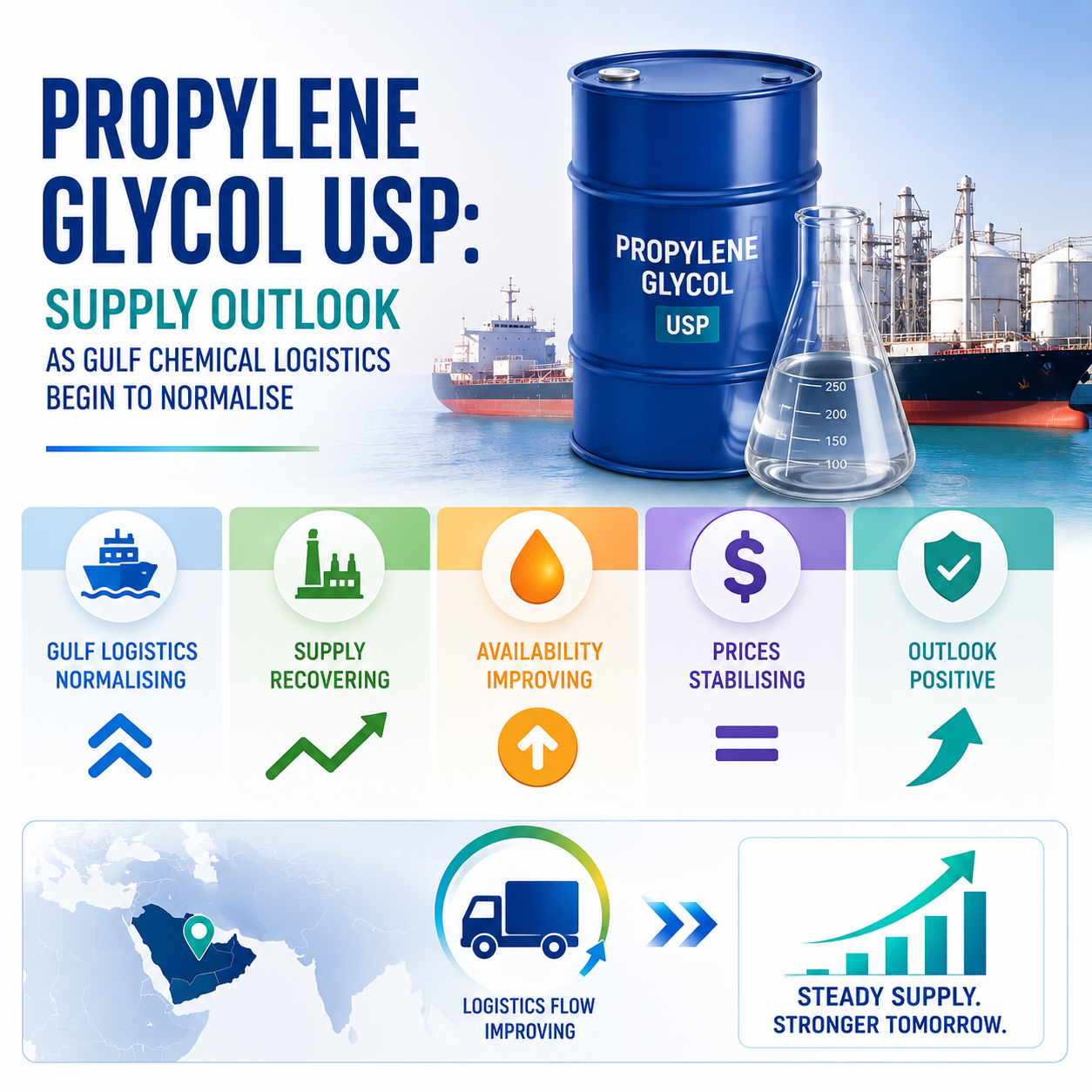
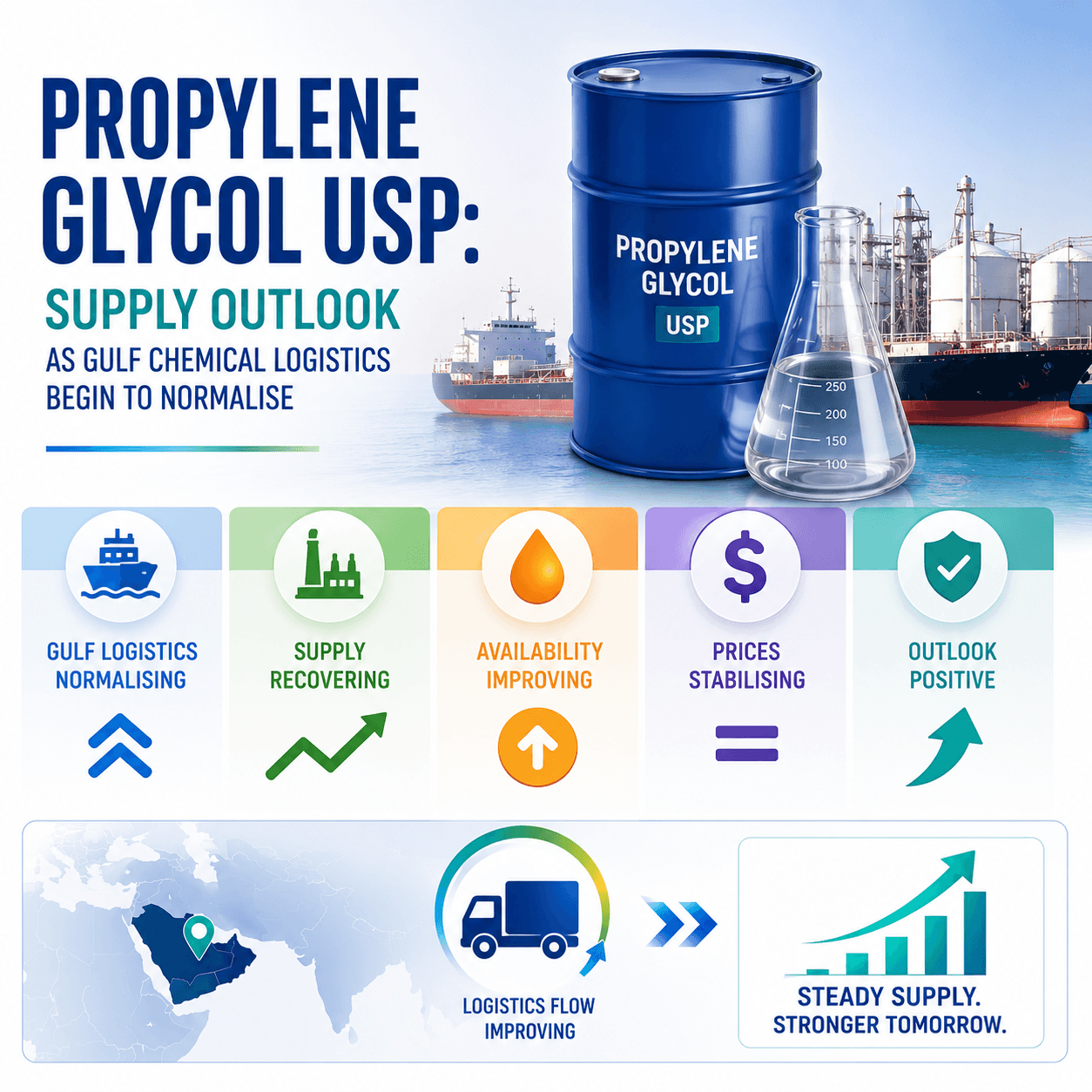
Mono Propylene Glycol (E1520) CAS: 57-55-6
After the Hormuz shutdown, chemical buyers face a mix of temporary price spikes and lasting market shifts. This article applies the Kiel Institute framework to isolate recoverable costs from permanent baseline changes, providing a roadmap for data‑driven contract renegotiations. Implementing these insights helps teams win back margins as conditions normalize.
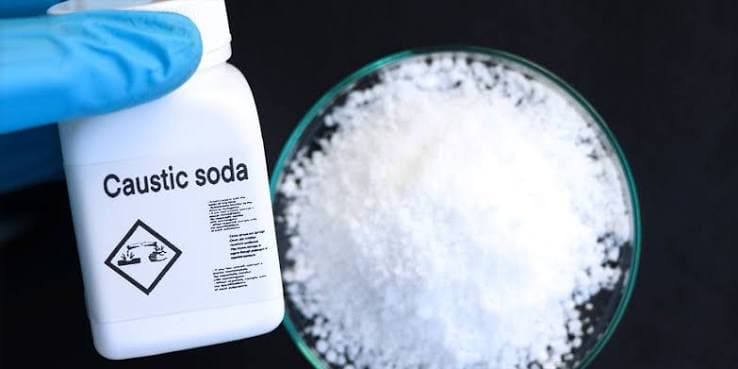
July 2026 is reshaping the chlor-alkali market as Gulf producers begin restoring caustic soda exports while India reinstates import duties after ending its emergency waiver. Procurement teams across Southeast Asia should immediately reassess sourcing strategy as regional supplier competitiveness enters a new phase.

Pharmaceutical-grade glycerin enters H2 2026 at the intersection of supply chain recovery and evolving sustainability regulations. Pharmaceutical buyers must balance USP/EP quality requirements with EUDR compliance while diversifying sourcing strategies.
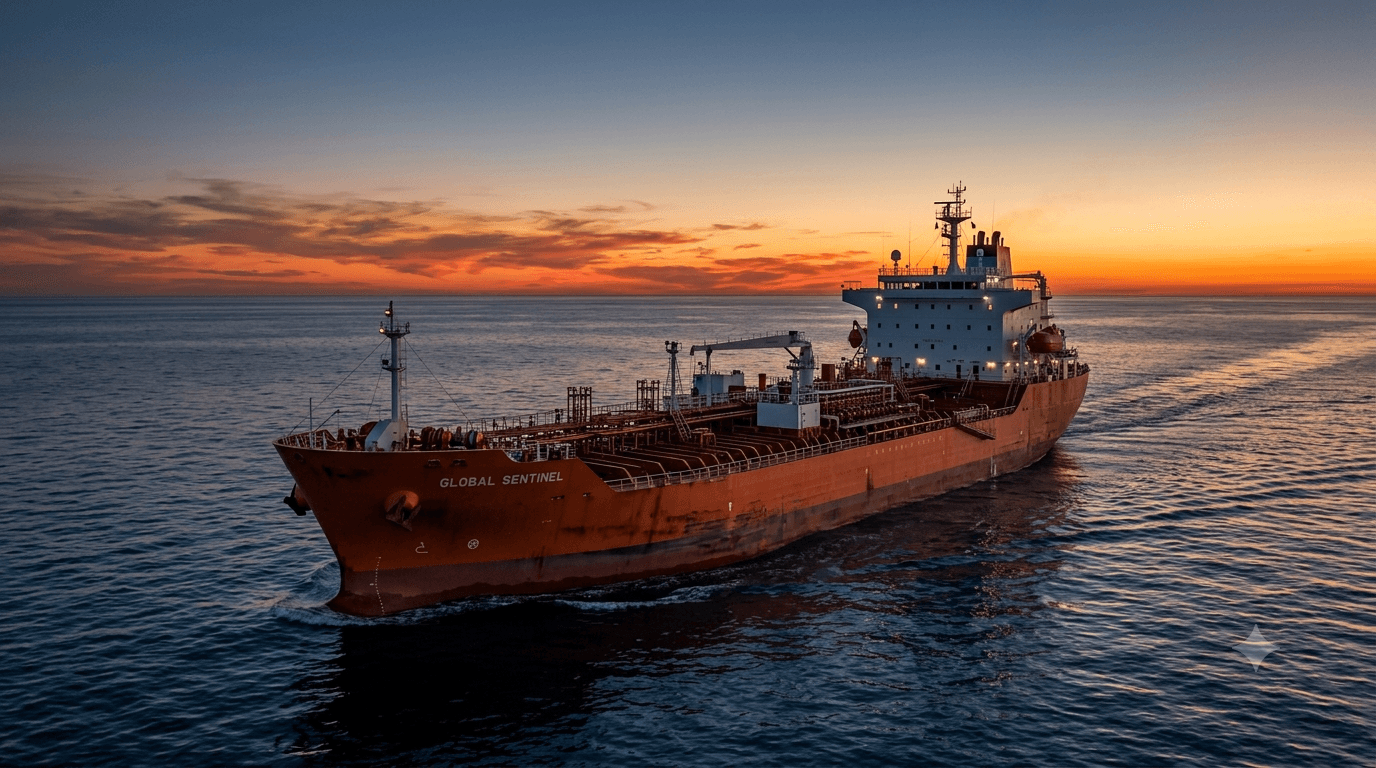
War risk insurance has become one of the biggest cost drivers for Gulf chemical shipments in H1 2026. This review explains why premiums remain elevated even as physical exports recover and what procurement teams should expect during H2 2026.
Hospital pharmacies are entering H2 2026 with improving supply conditions after months of inventory pressure. Q3 is expected to become the largest pharmaceutical chemical restocking period since before the Hormuz crisis.
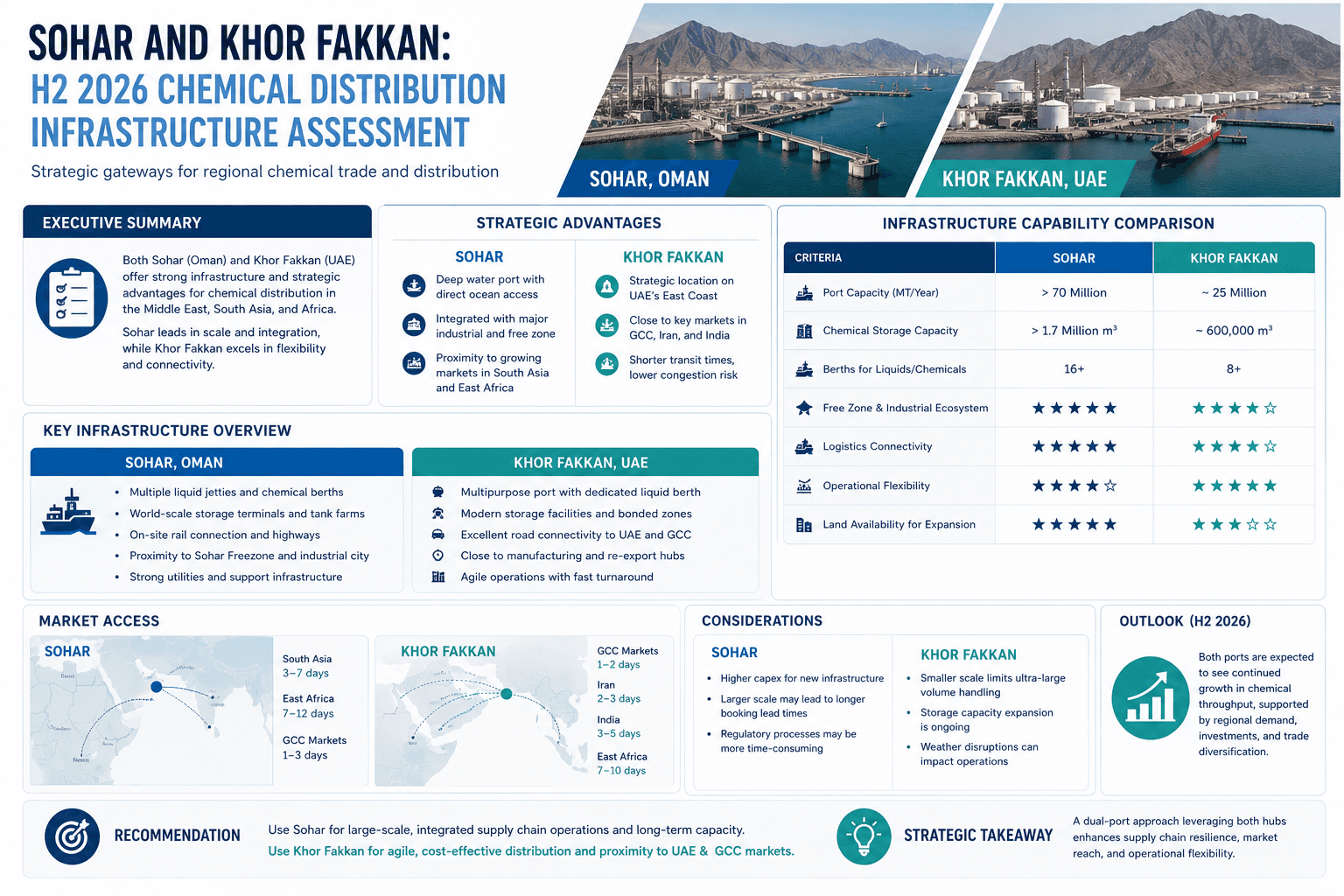
Sohar and Khor Fakkan have emerged as permanent Gulf chemical distribution hubs after the Hormuz crisis disrupted traditional routes. Chemical buyers should now verify exactly where supplier cargo loads, as port selection directly affects insurance costs, lead times, and shipment risk.
We're committed to your privacy. Tradeasia uses the information you provide to us to contact you about our relevant content, products, and services. For more information, check out our privacy policy.