
Methanol CAS: 67-56-1
Methanol CAS: 67-56-1
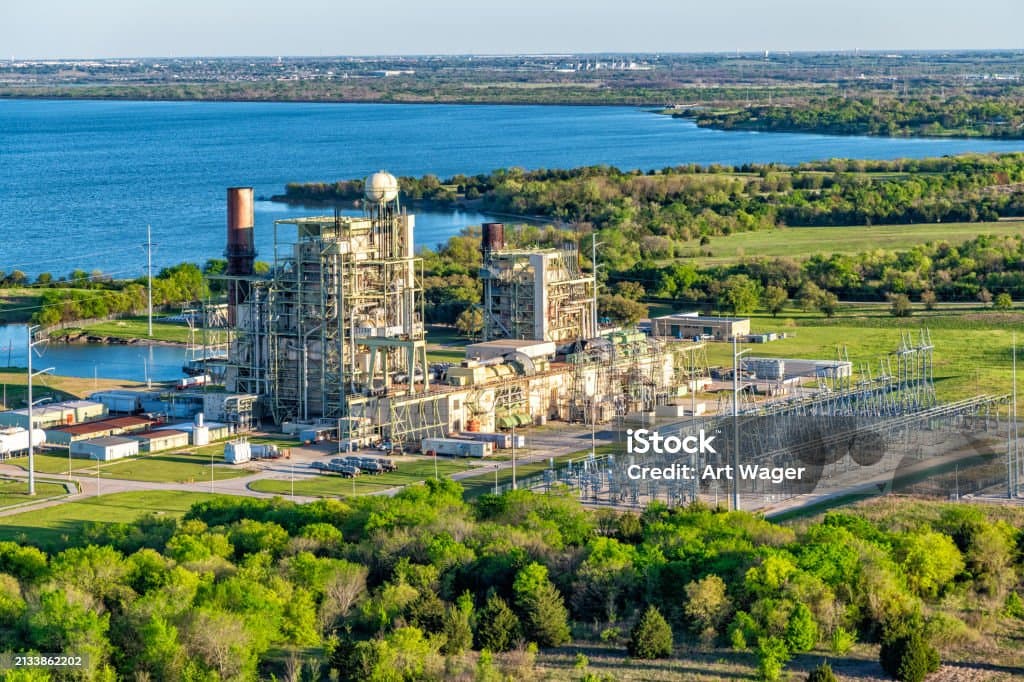
The Congressional Research Service report shows that 40% of U.S. agricultural urea arrives by water, exposing a strategic vulnerability. Legislative responses are reshaping maritime corridors and regional infrastructure. These changes aim to strengthen supply chain resilience for domestic markets.
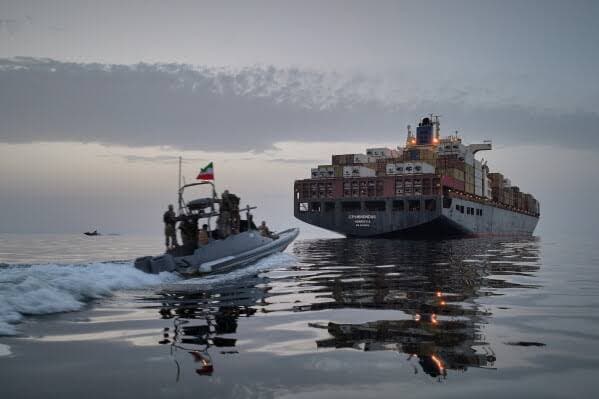
Kpler confirmed 34 vessel crossings through Hormuz on June 30, a sixfold increase over June’s average daily traffic. For chemical procurement professionals, the number signals the first meaningful Gulf supply recovery in months, but sustained movement over the next 48 hours will determine whether true normalization has begun.

In early 2026 the global chemical market saw a dramatic price spike during the Hormuz crisis, only to reverse course by April even before shipping lanes fully reopened. This article dissects the panic‑driven surge, the factors that triggered the drop, and the procurement intelligence lessons that can help buyers mitigate volatility.
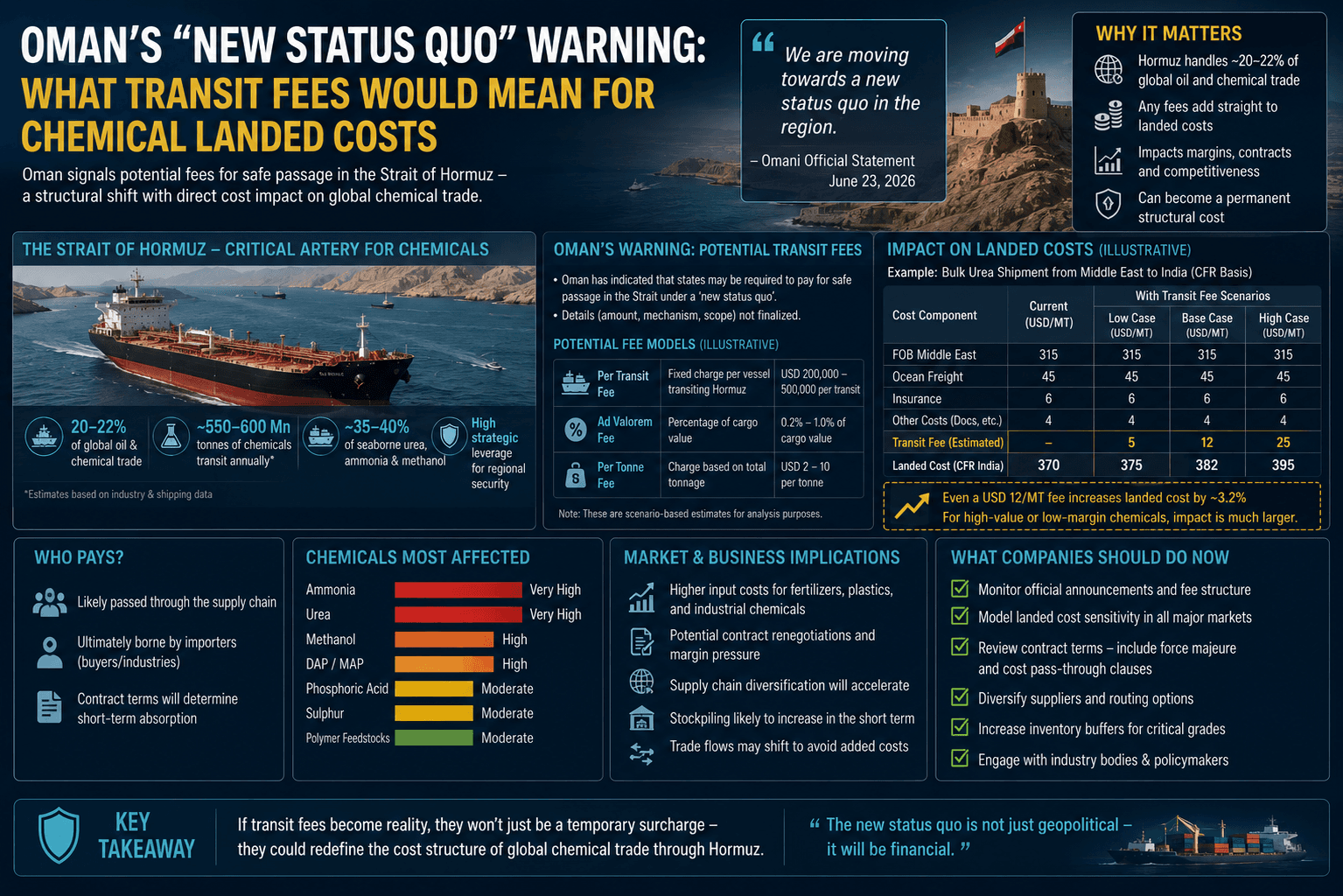
Oman’s warning that Hormuz may never return to pre-war conditions raises the prospect of permanent transit fees for commercial vessels. Chemical buyers should immediately model higher landed costs into H2 2026 procurement planning as Gulf shipping economics may have changed permanently.

Green ammonia projects across the Gulf have been delayed following the Hormuz crisis, pushing major timelines into 2027–2028. For long-term hydrogen buyers, the disruption strengthens the case for diversifying supply beyond the Gulf into Europe, Africa, and Australia.
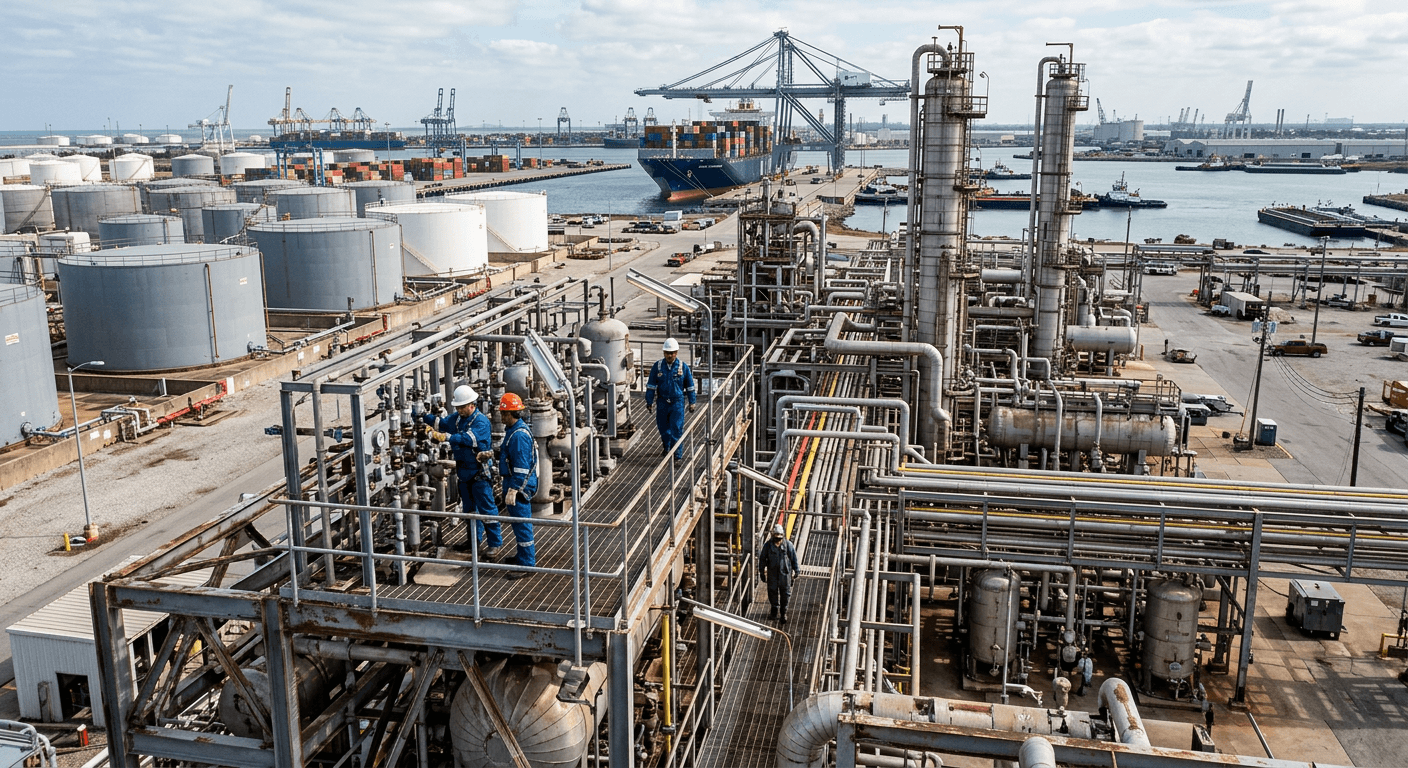
Rising Hormuz traffic could restart LPG flows that support China’s PDH units and improve polypropylene supply conditions through the third quarter of 2026. This analysis covers PP market recovery signals, import opportunities and procurement priorities.
We're committed to your privacy. Tradeasia uses the information you provide to us to contact you about our relevant content, products, and services. For more information, check out our privacy policy.