Overview of Urea Import Dependency
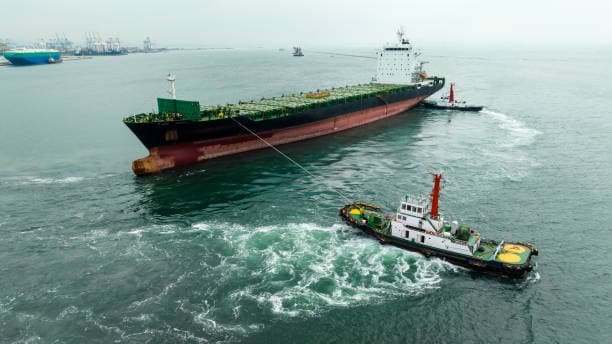
Urea is the most widely used nitrogenous fertilizer in the United States, supporting roughly 80% of crop nitrogen inputs. According to the latest Congressional Research Service study, about forty percent of that urea is delivered via the nation’s maritime network, making waterborne transport a critical artery for agricultural productivity.
The Strategic Vulnerability Unveiled
Congressional Findings
The report details how a single transportation mode can expose the entire food‑production system to disruptions. Port congestion, weather‑related delays, or geopolitical tensions in major shipping lanes could reduce the availability of urea by weeks or months, threatening crop yields and raising fertilizer costs.
Maritime Corridors and Risks
Key corridors such as the Gulf of Mexico, the Atlantic Seaboard, and the Great Lakes serve as the backbone for these imports. The concentration of shipping activity along these routes means that a single incident—such as an oil spill, cyber attack on port infrastructure, or a natural disaster—can have cascading effects far beyond the immediate area.
Post‑Crisis Policy Shifts
Legislative Interventions
In response to the identified vulnerability, lawmakers have introduced a series of bills aimed at diversifying import routes and increasing domestic production capacity. These measures include incentives for renewable energy‑powered port operations, grants for small‑scale fertilizer manufacturers, and stricter security protocols for critical maritime infrastructure.
Infrastructure Re‑Evaluation
State and federal agencies are also reassessing the resilience of regional ports. Upgrades to cargo handling equipment, expansion of storage facilities, and the development of intermodal links to rail and trucking networks are being prioritized to reduce bottlenecks and create alternative pathways for urea distribution.Impact on Domestic Markets
Supply Chain Resilience
By reducing the reliance on a single transport mode, the agricultural sector can better absorb shocks. Diversified supply routes also encourage competition among carriers, potentially lowering transportation costs over the long term.
Price and Availability
Initial estimates suggest that strengthened infrastructure could stabilize urea prices, preventing the sharp spikes that have historically followed port disruptions. Farmers would gain a more predictable cost structure, aiding in budgeting and planting decisions.
Recommendations for Stakeholders
Farmers: Monitor port activity reports and consider contract hedging with suppliers who use multiple transport modes.
Industry Associations: Advocate for continued investment in port modernization and support research into alternative fertilizer sources.
Policymakers: Maintain bipartisan support for infrastructure bills and ensure that regulatory frameworks keep pace with technological advancements in shipping.
Collectively, these steps can transform a current point of fragility into a robust, adaptive system capable of sustaining U.S. agricultural productivity in an increasingly uncertain global landscape.