
Background: The Hormuz Crisis
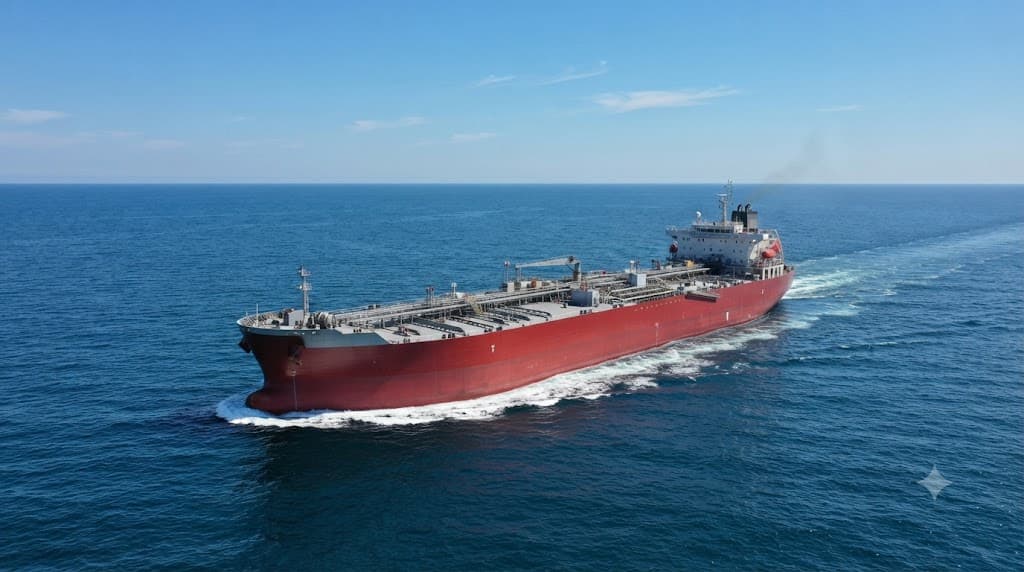
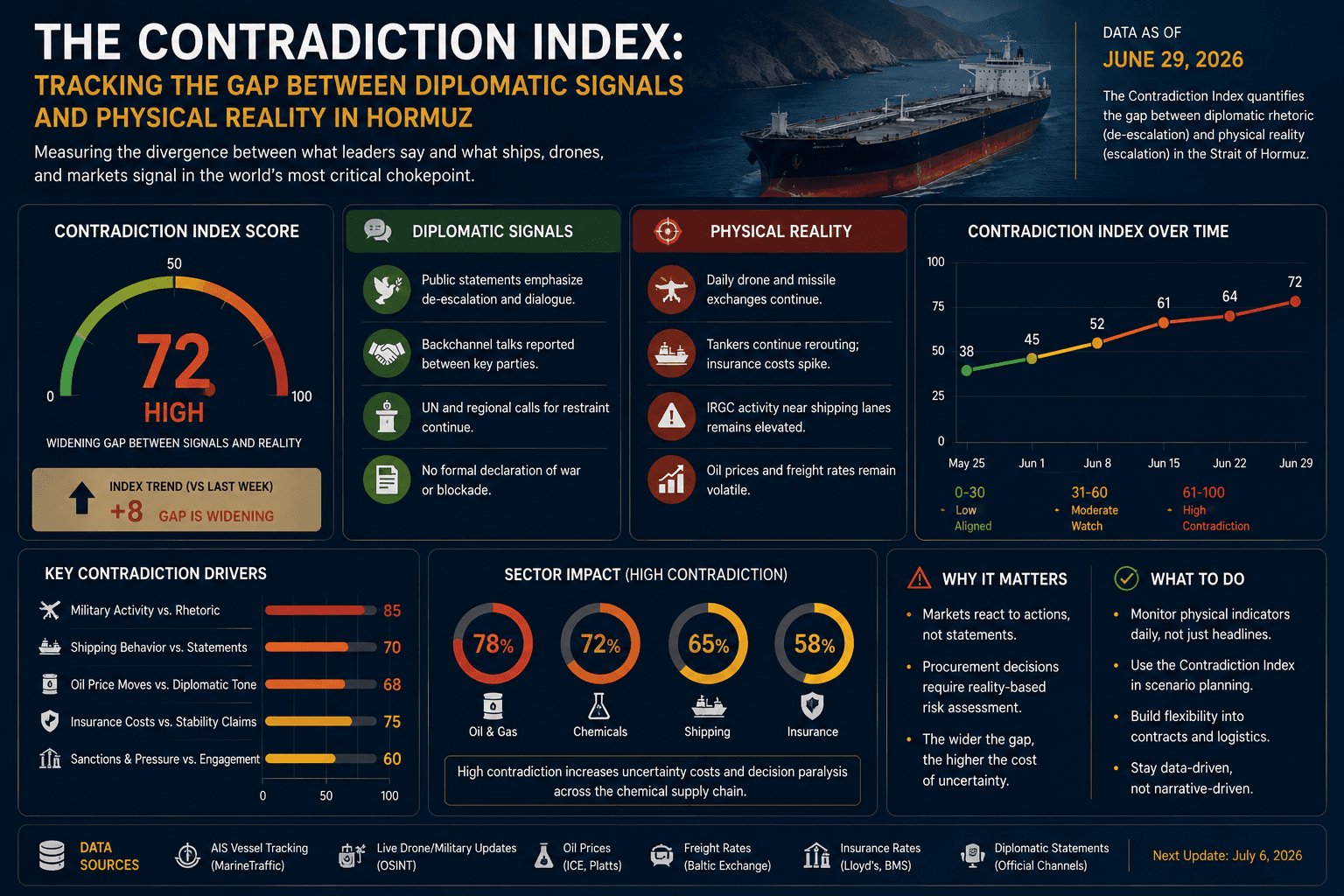
The Strait of Hormuz, a chokepoint through which roughly 20% of world crude oil and 30% of global LNG passes, was closed for nine weeks in early 2026 after a geopolitical flare‑up. Importers of petrochemical feedstocks, especially ammonia‑based fertilizers, feared a severe supply shortfall. Shipping disruptions triggered a scramble for alternative routes and higher freight rates, inflating the cost of raw materials.
Price Surge and Panic Buying
Ammonia and urea prices spiked by an average of 25% within the first month, with some markets recording double‑digit gains. The surge was amplified by a classic panic buying dynamic: buyers rushed to lock in contracts at the prevailing high rates, fearing that any delay would result in even steeper costs.
Supply‑Demand Imbalance
Factories that had been operating at near‑full capacity suddenly found themselves under pressure as oil‑to‑methane conversion plants in the Gulf were shut. Simultaneously, the demand for nitrogen‑rich fertilizers in key agricultural regions surged as planting seasons approached. This mismatch created a short‑term price bubble.
Speculative Bidding
Large commodity traders and hedge funds entered the market, bidding up futures contracts to secure a share of the anticipated price rise. Their activity further widened the spread between spot and futures, adding to the volatility.
The Unexpected Reversal
By late March 2026, a confluence of factors began to erode the bubble, leading to a sharp reversal that saw fertilizer prices fall to pre‑crisis levels by early April—well before the Strait fully reopened.
Resilience of Alternative Routes

Investors had underestimated the speed with which alternative shipping lanes could adapt. The Suez Canal, the Strait of Malacca, and newly established trans‑Atlantic routes increased throughput capacity, reducing the perceived scarcity of petrochemical feedstocks.
Technological Flexibility
Several European ammonia producers pivoted to renewable‑powered green ammonia, which remained unaffected by oil price shocks. This shift not only kept supply steady but also introduced a lower‑cost competitor into the market, exerting downward pressure on prices.
Policy Interventions
Governments in key import countries implemented temporary subsidies for fertilizer purchases and eased import licensing procedures. These measures dampened the demand spike that had been fueling the price surge.
Procurement Intelligence Lessons
Buyers who had leveraged robust procurement intelligence systems were better positioned to navigate the volatility. Key takeaways include:

Real‑time Market Analytics: Continuous monitoring of freight indices, spot prices, and futures spreads allowed buyers to spot early signs of a bubble and adjust procurement schedules accordingly.
Scenario Planning: Running multiple demand‑supply scenarios helped firms avoid overcommitting when the market was in flux.
Supplier Diversification: Maintaining relationships with a geographically dispersed supplier base reduced the impact of localized bottlenecks.
Flexible Contract Terms: Incorporating price‑cap clauses and index‑linked adjustments provided a safety net against unforeseen price swings.
Collaboration with Logistics Partners: Early engagement with freight forwarders ensured access to alternative routes and reduced lead times.
Case Study: AgroChem Inc.
AgroChem Inc., a mid‑sized fertilizer producer, had a procurement platform that fed real‑time data into its decision engine. When the Hormuz crisis unfolded, the platform flagged a 12% uptick in shipping costs and a 7% rise in ammonia spot prices. AgroChem shifted its purchasing window from March to February, securing contracts at a 15% discount. The company also leveraged a pre‑existing partnership with a green ammonia supplier in Denmark, reducing its reliance on oil‑derived feedstocks.
The 2026 chemical price reversal illustrates how quickly market dynamics can shift, especially when geopolitical events and supply chain resilience intersect. Panic buying can create temporary price spikes, but a combination of alternative logistics routes, technological adaptation, and proactive procurement intelligence can swiftly bring prices back to equilibrium. For industrial buyers, the lesson is clear: invest in data‑driven procurement systems, maintain supplier flexibility, and stay ahead of geopolitical shifts to mitigate the impact of market volatility.
Urea (Granular) - Egypt CAS: 57-13-6