What Is Sodium Bicarbonate?
This ingredient is widely recognized for its role in food preparation, cleaning applications, and as a mild cleaning agent in basic chemical processes. In scientific terminology, it is known as sodium hydrogen carbonate, while in everyday usage it is more commonly referred to as baking soda. This ingredient is widely recognized for its role in food preparation, cleaning applications, and basic chemical processes. In many markets, it is also sold as bicarbonate of soda, and one of the most recognizable retail brands is Arm & Hammer.
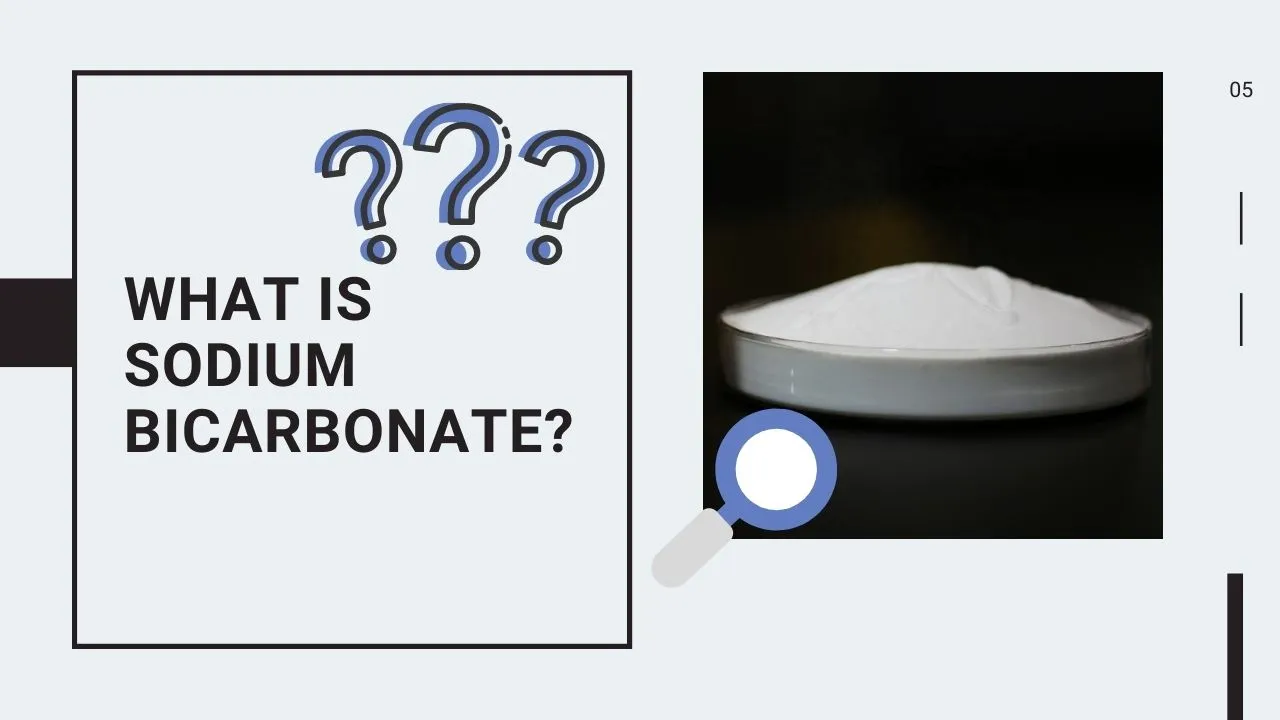
In its physical form, the compound appears as a white crystalline solid or fine powder. It has a mildly alkaline taste, similar to sodium carbonate, but is significantly less caustic. Because of this balanced alkalinity, it is suitable for both household and industrial applications.
Chemically, the substance is composed of a sodium cation (Na⁺) and a bicarbonate anion (HCO₃⁻). This ionic structure allows it to react easily with acids, releasing carbon dioxide gas, one of its most valuable functional properties.
Common Names and Terminology
Over time, this compound has acquired various names depending on region and usage. In North America and New Zealand, baking soda is the most familiar term. In the United Kingdom and Australia, it is more often called soda bicarbonate.
Historically, informal abbreviations such as bicarb, bicarb soda, or sodium bicarb have also been widely used. In the nineteenth century, the term saleratus was common, derived from the Latin sal aeratus, meaning “aerated salt.”
In food regulation, it is classified as E500, identifying it as an approved food additive used primarily for leavening and acidity control. In everyday conversation, especially in Commonwealth countries, the terms bicarb soda and bicarbonate of soda are often used interchangeably.
Role as a Leavening Agent in Food
One of the most well-known uses of baking soda is in cooking and baking. It functions as a leavening agent, meaning it helps doughs and batters rise during preparation.
When combined with acidic ingredients such as vinegar, lemon juice, or buttermilk, the compound releases carbon dioxide gas. These gas bubbles expand when heated, creating a lighter and softer texture in baked goods such as bread, cakes, and pastries. In some formulations, baking soda is paired with cream of tartar (a food-grade acid) to create a similar effect to baking powder and ensure consistent leavening.
Unlike baking powder, which already contains an acid component, baking soda requires an external acidic ingredient to activate. This makes it particularly useful in recipes where acidity is already present.
Chemical Behavior and Reactivity
This alkaline salt reacts readily with acids to form sodium salts, water, and carbon dioxide. Because the gas escapes easily, the reaction is often used to remove acidic impurities from liquids during purification processes. From an acid base chemistry perspective, this reaction is driven by neutralization. In aqueous systems, bicarbonate also relates closely to carbonic acid, which forms naturally when carbon dioxide dissolves in water.
For example, when introduced into a crude acidic solution, the compound neutralizes excess acid and helps isolate a purer product. This property explains its occasional use in laboratory washing procedures and industrial refining steps.
Due to its mild alkalinity, it is safer to handle than stronger bases such as sodium hydroxide, while still offering effective neutralization.
Why Is It Called "Bicarbonate"?
The prefix “bi” originates from an older chemical naming system. Historically, it was believed that the compound contained twice as much carbonate relative to sodium when compared with sodium carbonate.
Modern chemistry has clarified that sodium always has a +1 oxidation state, while the carbonate group carries a −2 charge. Despite this outdated reasoning, the term “bicarbonate” remains widely accepted in both scientific and commercial contexts. This terminology is also commonly referenced in human physiology, where bicarbonate helps buffer excess acid in the body.
Industrial Production Process
Commercial production primarily starts from sodium carbonate, commonly known as soda ash. The compound is formed by reacting soda ash with carbon dioxide and water, resulting in a solid precipitate.
One of the most widely used manufacturing routes is linked to the Solvay process, where sodium chloride, ammonia, carbon dioxide, and water interact to form sodium hydrogen carbonate as an intermediate product. In practice, carbon dioxide dissolved in water can form carbonic acid, which supports the equilibrium conditions needed for bicarbonate formation in controlled systems.
Reaction pathway:
NaCl + CO₂ + NH₃ + H₂O → NaHCO₃ + NH₄Cl
The resulting solid is then filtered, dried, and processed to meet food or industrial specifications. Since the early 2000s, global production has reached approximately 100,000 tonnes per year, reflecting its consistent demand.
Alternative Chemical Formation
Although not commonly used on an industrial scale, the compound can also be synthesized by reacting carbon dioxide with a sodium hydroxide solution:
CO₂ + NaOH → NaHCO₃
This reaction is chemically straightforward but less practical for large-scale manufacturing due to cost and efficiency considerations.
Health and Safety Considerations
In medical settings, bicarbonate salts may be used under professional supervision to support acid–base balance, particularly in cases of metabolic acidosis. This is a clinical context and should not be confused with everyday dietary or household use. People with certain conditions such as kidney disease should be cautious about sodium intake. Excessive or inappropriate consumption may lead to unwanted side effects, so any therapeutic use should follow medical advice rather than self-treatment.
Conclusions
Sodium bicarbonate is far more than a simple kitchen ingredient. As a mild alkaline compound, it plays an important role in food preparation, chemical processing, and purification techniques. Its ability to release carbon dioxide under controlled conditions makes it indispensable as a leavening agent, while its neutralizing properties support a wide range of technical applications.
Produced mainly from soda ash through well-established industrial processes, this versatile material continues to serve both everyday needs and specialized chemical functions. From baking bread to supporting industrial reactions, baking soda remains a quiet yet essential contributor to modern life.
Read next: Sodium Silicate: Overview And The Market
Leave a Comment