
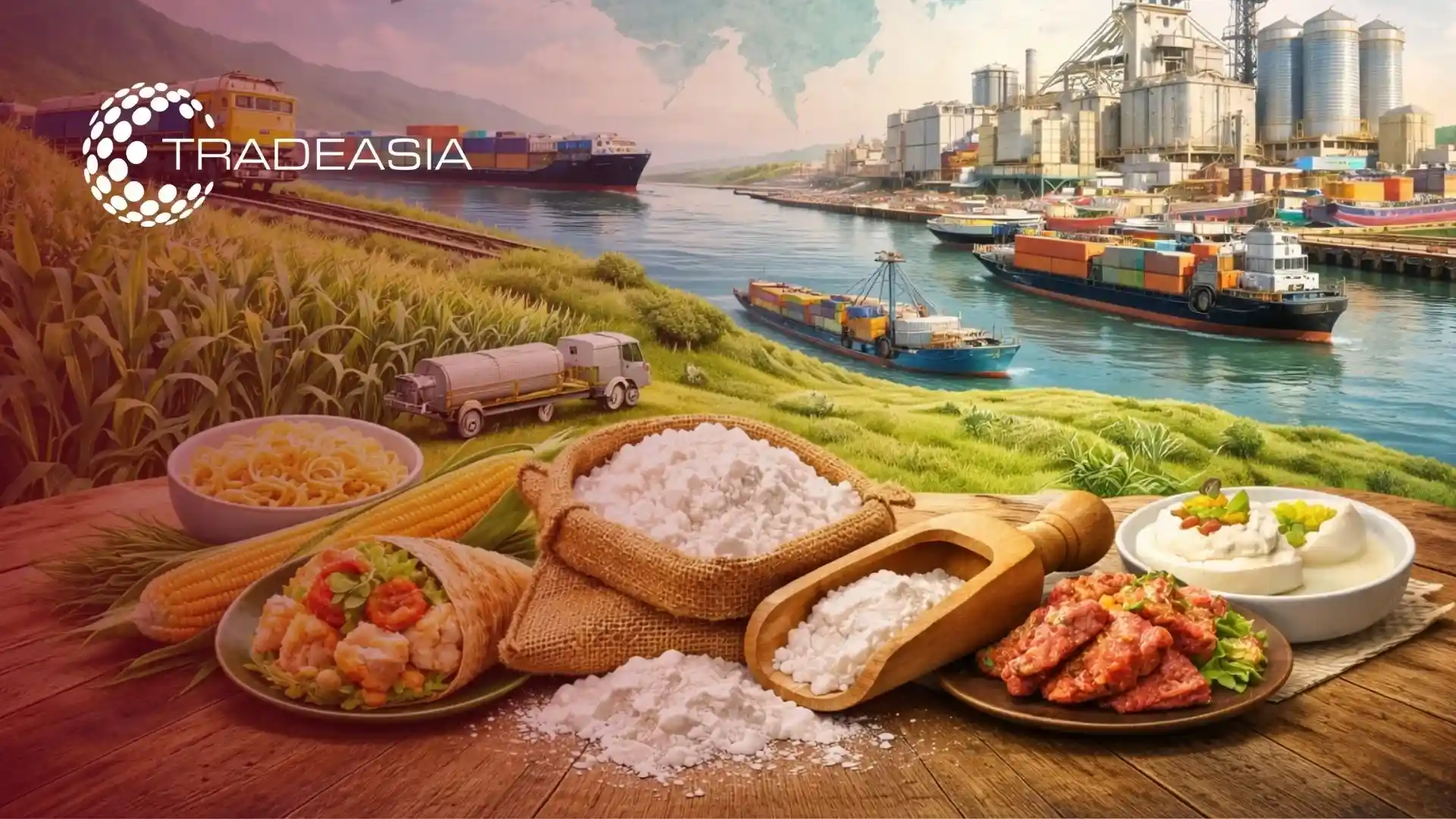
Introduction Corn Starch
The global food industry's reliance on versatile, plant-based ingredients has positioned corn starch as a cornerstone of modern food manufacturing. As we look towards the period of 2026-2030, the Asian continent stands at the epicenter of this critical supply chain, driving innovation, production, and distribution for industrial food additives. The region's vast agricultural output, coupled with advanced processing capabilities, makes it a pivotal source for both native and modified corn starches used globally.
This article provides a comprehensive analysis of the Asian corn starch supply chain dedicated to industrial food additives. We will explore the key production hubs, delve into specific industrial applications, forecast the dominant market trends for the latter half of this decade, and outline strategic considerations for procurement. For businesses sourcing ingredients like corn starch and related additives, understanding this dynamic landscape is essential for ensuring supply resilience, cost-effectiveness, and product quality in an increasingly competitive market.
The Asian Corn Starch Landscape: Production Hubs and Key Players
Asia's dominance in corn starch production is anchored by a few key nations, each with distinct advantages. China is the undisputed leader, leveraging its massive domestic corn production and immense processing infrastructure. Major Chinese producers have vertically integrated operations, from corn cultivation to the production of a wide array of modified starches, serving both domestic and international markets. Following China, Thailand has emerged as a significant player, often focusing on high-quality exports and leveraging its logistical strengths in Southeast Asia.
Other notable contributors include India, with its growing agricultural and processing sectors, and Indonesia, which is investing in capacity expansion. Japan and South Korea, while not major volume producers, are leaders in high-value, specialized starch modification technologies. The supplier ecosystem ranges from large, multinational agri-commodity corporations to specialized regional processors. For global buyers, platforms like chemtradeasia have become instrumental in providing visibility and access to this diverse and fragmented supplier base, facilitating connections with verified producers of both standard and customized starch products.
Applications of Corn Starch in Industrial Food Additives
In industrial food production, corn starch is far more than a simple thickener. Its functional properties are harnessed through both native and modified forms to solve complex manufacturing challenges. As a native ingredient, it provides viscosity and texture in sauces, soups, and pie fillings. However, the true value for industrial applications lies in modified starch. Through physical, enzymatic, or chemical treatment, starch is engineered to withstand extreme pH, high temperatures, freeze-thaw cycles, and prolonged storage, functionalities native starch cannot offer.
Key industrial use cases are extensive. In processed meats, modified corn starch acts as a binder and moisture retainer, improving yield and sliceability. In dairy alternatives and creamy desserts, it provides a smooth, rich mouthfeel. For instant and microwaveable foods, it delivers rapid viscosity and stability. In bakery fillings and glazes, it prevents syneresis (water separation). Furthermore, corn starch serves as a key carrier and bulking agent for flavors, colors, and other micro-ingredients, ensuring uniform distribution in dry mixes. Its role as a cost-effective and label-friendly alternative to more expensive hydrocolloids is a major driver of its demand.
Key Market Trends Shaping 2026-2030
The Asian corn starch market for food additives is being shaped by several powerful, interconnected trends that will define the 2026-2030 period. First, the demand for clean-label and E-number-free solutions is accelerating. This pushes innovation towards physically or enzymatically modified starches (often labeled as "modified food starch" or "starch") over chemically modified ones, and increases interest in native starches with enhanced functionality. Producers are investing in R&D to meet this demand without compromising performance.
Secondly, supply chain diversification and regionalization will be paramount. Lessons from recent global disruptions are prompting food manufacturers to build more resilient networks. This may benefit Southeast Asian producers in Thailand and Vietnam as alternative or complementary sources to China. Thirdly, sustainability is moving from a niche concern to a core procurement criterion. This encompasses traceable, sustainably farmed corn, water-efficient processing, and circular economy models for by-products. Finally, the growth of plant-based and alternative protein sectors creates new, high-volume applications for starches as texture modifiers and binders, further expanding the market beyond traditional categories.
Navigating the Supply Chain: Challenges and Strategic Sourcing
Procuring industrial-grade corn starch from Asia presents unique challenges that require strategic management. Volatility in raw material (corn) prices, influenced by weather, trade policies, and biofuel demand, directly impacts starch costs. Logistical bottlenecks, port congestion, and fluctuating freight rates can disrupt just-in-time supply models. Furthermore, navigating the quality and specification landscape is complex, with variations in purity, viscosity, and modification levels between different suppliers and regions.
Successful navigation of this landscape hinges on strategic sourcing practices. Developing deep partnerships with reliable suppliers, rather than engaging in purely transactional spot buying, ensures priority access and better collaboration on specification consistency. Utilizing digital B2B platforms like chemtradeasia can streamline supplier discovery, qualification, and price benchmarking across borders. Dual-sourcing from different Asian sub-regions can mitigate geopolitical and logistical risks. Finally, investing in technical collaboration is key; working directly with suppliers' R&D teams can lead to co-developed, application-specific starch solutions that provide a competitive edge in final food products.
Conclusion
The Asian supply chain for corn starch in industrial food additives is poised for a transformative period from 2026 to 2030. Driven by clean-label innovation, supply chain resilience, and sustainability, the region will continue to be the global powerhouse for this essential ingredient. For food manufacturers, success will depend on a proactive approach: understanding the nuanced applications of modified starches, anticipating market trends, and building agile, collaborative sourcing relationships. By leveraging deep market insights and robust procurement networks, businesses can secure not just supply, but also innovation and value from the Asian corn starch industry.
Disclaimer: This article is for informational and market insight purposes only. It is not intended as technical, safety, or professional advice. The data and trends presented are based on current market analysis and are subject to change. Readers are strongly advised to verify all information independently with qualified experts, consult official technical documentation such as Material Safety Data Sheets (MSDS/SDS) for specific products, and contact our team or relevant suppliers for detailed specifications and guidance pertaining to their specific applications and requirements.