Introduction
The global chemical industry is increasingly pivoting towards sustainable and bio-based raw materials, and at the forefront of this shift in Asia are oleochemicals. Derived from natural fats and oils, oleochemicals like stearic acid are versatile workhorses powering a vast array of sectors, from manufacturing to personal care. As the world's largest producer of palm and coconut oil, Asia holds a dominant position in the oleochemicals supply chain, making it a critical hub for industries worldwide.
This article delves deep into the world of stearic acid, a saturated fatty acid that is both a fundamental chemical and a strategic commodity. We will explore its properties, multifaceted applications, and the dynamic market landscape across Asia. Furthermore, we will examine the crucial role of specialized suppliers and trading networks, such as Chemtradeasia, in connecting reliable producers with diverse industrial consumers, ensuring a steady flow of this essential material across complex supply chains.
What is Stearic Acid? A Foundational Oleochemical
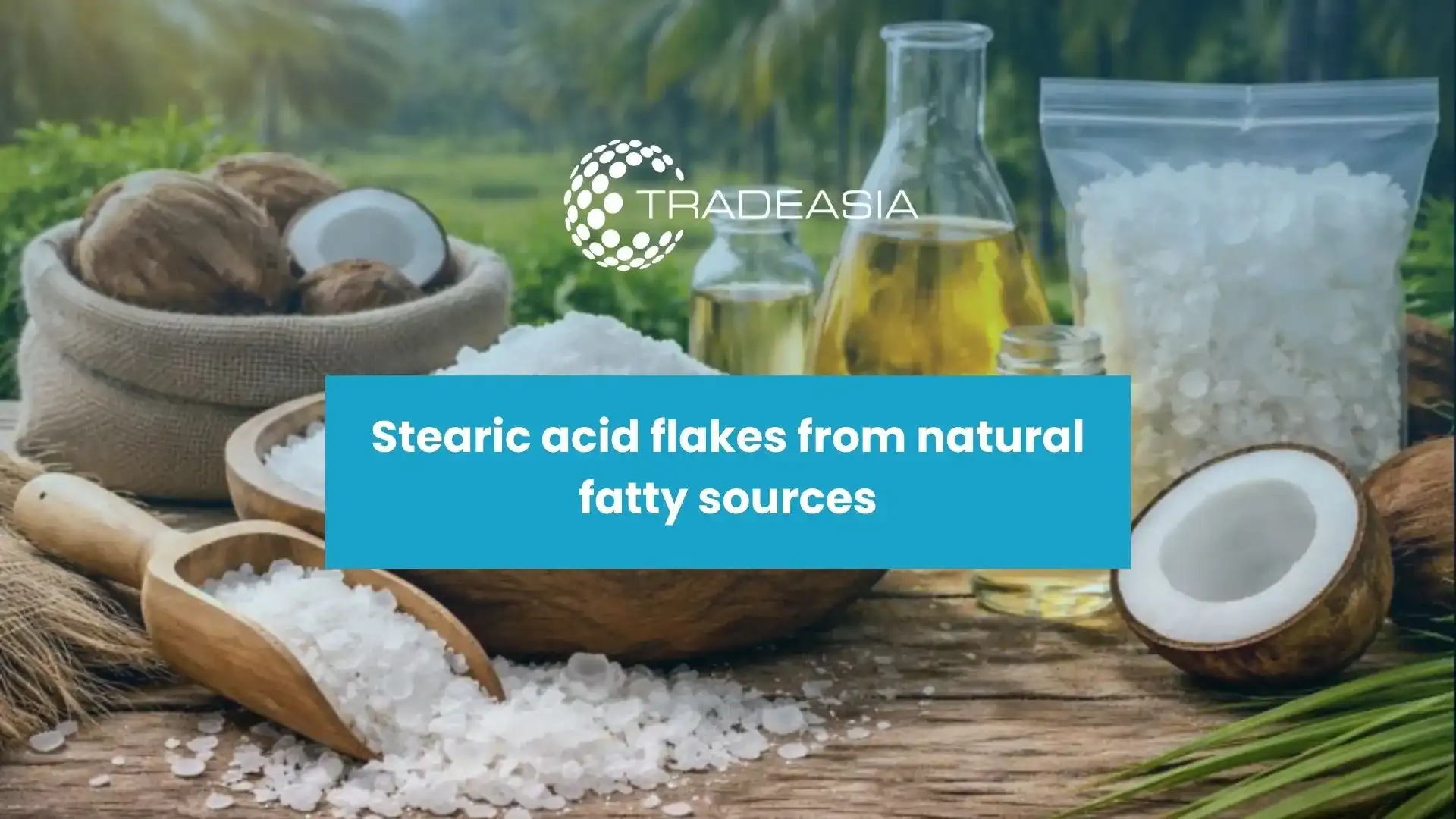
Stearic acid, scientifically known as octadecanoic acid, is a long-chain saturated fatty acid. It appears as a waxy, white solid at room temperature and is prized for its stability, lubricating properties, and ability to act as an emulsifier and thickening agent. As an oleochemical, its primary sources in Asia are vegetable oils, most notably palm stearin (a solid fraction of palm oil) and, to a lesser extent, coconut oil. The production process involves the hydrolysis (splitting) of triglycerides from these oils, followed by distillation and fractionation to isolate the stearic acid.
The quality and specifications of stearic acid can vary based on its source and purity level. Key grades include single-pressed, double-pressed, and triple-pressed, referring to the number of purification steps, with triple-pressed offering the highest purity (often exceeding 90% C18 content). Another critical distinction is between vegetable-based (from palm/coconut) and animal-based (tallow) stearic acid, with the vegetable-derived version being predominant in Asia and often preferred for consumer-facing products due to its sustainable and vegan-friendly profile. Its inert nature, non-toxicity, and excellent shelf-life make it a staple in formulations where consistency and reliability are paramount.
Key Applications and Benefits of Stearic Acid
The utility of stearic acid stems from its unique chemical structure, which grants it several functional benefits. It acts as an excellent lubricant and release agent, a potent emulsifier that binds oil and water, a stabilizer and thickener in creams and pastes, and a vulcanization activator in rubber processing. These properties unlock value across a stunning range of industries, making it a true multi-purpose chemical.
In the rubber industry, which is massive in manufacturing hubs like China, India, and Southeast Asia, stearic acid is indispensable. It accelerates the vulcanization process, improves the dispersion of fillers like carbon black, and acts as a plasticizer and mold release agent, leading to stronger, more durable, and easier-to-produce rubber products for tires, seals, and footwear. The plastics and polymer sector relies on it as a lubricant and flow enhancer during PVC and other polymer processing, preventing films and sheets from sticking to equipment and improving surface finish.
Perhaps its most visible application is in personal care and cosmetics. Here, stearic acid is the backbone of countless formulations. It is the primary thickening and opacifying agent in creams, lotions, and deodorants. It helps create stable emulsions in soaps and shampoos, providing the rich, creamy lather consumers desire. Its non-irritating nature and ability to form a protective barrier on the skin also contribute to its widespread use. Beyond these, it finds roles as a softening agent in textiles, a hardening agent in candles, a component in food additives as an emulsifier (E570), and even in metalworking and construction chemicals.
The Asian Stearic Acid Market: Trends and Insights
The Asian stearic acid market is a dynamic and growing sector, intrinsically linked to the region's palm oil industry. Countries like Indonesia, Malaysia, Thailand, and the Philippines are not only leading producers of crude palm oil but have also developed sophisticated downstream oleochemical complexes. This vertical integration provides a significant cost and supply chain advantage, positioning Asia as the world's export powerhouse for stearic acid and related fatty acids. China and India, with their colossal domestic manufacturing bases, are both major producers and the largest consumers within the region.
Current market trends are being shaped by several powerful forces. The global push for sustainability is driving demand for bio-based and renewable chemicals, directly benefiting plant-derived stearic acid. However, this is juxtaposed with intense scrutiny on sustainable palm oil sourcing, pushing producers towards RSPO (Roundtable on Sustainable Palm Oil) certification. Furthermore, the rapid growth of end-user industries, especially personal care in China and India, and automotive (and thus rubber) manufacturing across Southeast Asia, continues to fuel consumption. Price volatility of crude palm oil remains a key challenge, directly impacting stearic acid production costs and requiring buyers to have agile sourcing strategies.
Looking ahead, innovation in application development, such as using stearic acid in phase-change materials for energy storage or in advanced biopolymers, presents new growth avenues. The market is also witnessing consolidation among larger players to achieve economies of scale, while niche suppliers focus on providing specialized grades and sustainable supply chain solutions to meet the evolving demands of global customers.
Sourcing Stearic Acid: The Role of Suppliers and Chemtradeasia
For international buyers and even domestic manufacturers requiring multiple oleochemicals, navigating the vast and sometimes fragmented Asian stearic acid landscape can be complex. This is where specialized chemical suppliers and traders play an indispensable role. They act as vital intermediaries, connecting buyers with a network of vetted producers, managing logistics across borders, ensuring quality consistency, and providing crucial market intelligence. A reliable supplier mitigates risks related to supply disruption, quality variance, and volatile pricing.
Entities like Chemtradeasia exemplify this crucial link in the supply chain. As a specialized trader and supplier focused on the Asian chemical market, they provide more than just a transactional service. They offer sourcing expertise, identifying the right grade (be it palm-based triple-pressed or a specific technical grade) from the most suitable manufacturer. They handle the complexities of international shipping, documentation, and customs clearance. Furthermore, they add value through quality assurance, often providing technical data sheets and certificates of analysis, and offering insights into market trends to help clients plan their procurement strategically.
When evaluating a supplier for stearic acid, key considerations should include their network and relationships with producers, their ability to guarantee supply chain transparency and sustainability credentials (like RSPO mass balance), their logistical capabilities, and their technical support. A partner like Chemtradeasia reduces the operational burden on the buyer, allowing them to focus on their core manufacturing processes while ensuring a reliable, cost-effective, and quality-assured stream of essential raw materials like stearic acid.
Conclusion
Stearic acid stands as a testament to the importance of oleochemicals in the modern industrial world. From the tires on our vehicles to the creams in our bathrooms, its contributions are both fundamental and ubiquitous. Asia's dominance in palm oil production has cemented its role as the epicenter of the global stearic acid supply, a market characterized by robust growth, evolving sustainability standards, and continuous innovation in applications.
Successfully leveraging this essential chemical requires more than just finding a seller; it demands a strategic sourcing partnership. Understanding the market dynamics, specifying the correct grade for the application, and partnering with a knowledgeable and reliable supplier are critical steps. For businesses looking to secure their supply of stearic acid and other oleochemicals from Asia, engaging with established supply chain experts like Chemtradeasia offers a pathway to efficiency, reliability, and competitive advantage in an increasingly complex global marketplace. To secure a reliable supply of high-quality stearic acid from Asia and benefit from expert sourcing, logistics, and market insight, businesses are encouraged to connect directly with Chemtradeasia through the Contact Us page.
Leave a Comment