
Downstream Styrene Applications: From Polystyrene to ABS to SBR — Understanding the Demand Chain
Introduction
Styrene is one of the world's most important petrochemical intermediates, serving as the foundation for a wide range of plastics, synthetic rubbers, and engineered materials. Although it is rarely used directly in finished products, styrene is transformed into numerous downstream materials that support industries such as packaging, automotive manufacturing, construction, electronics, healthcare, and consumer goods.
The largest demand for styrene comes from three major product families: polystyrene (PS), acrylonitrile butadiene styrene (ABS), and styrene-butadiene rubber (SBR). Together, these materials account for a significant share of global styrene consumption and play a critical role in shaping market demand.
For procurement professionals, understanding how these downstream applications influence styrene consumption is essential for forecasting demand, managing supply risks, and developing resilient sourcing strategies.
What Is Styrene?
Styrene is an aromatic hydrocarbon primarily produced from ethylbenzene, which itself is manufactured using benzene and ethylene. It is a versatile monomer that can be polymerized or copolymerized into a wide range of industrial materials.
Because styrene is used as a building block rather than a finished product, its market demand depends heavily on downstream manufacturing activity.
The Styrene Value Chain
The production process follows several interconnected stages.
Step 1: Feedstock Production
The primary feedstocks are:
Benzene
Ethylene
These chemicals react to produce ethylbenzene.
Step 2: Ethylbenzene Production
Ethylbenzene is converted into styrene monomer through catalytic dehydrogenation.
Step 3: Styrene Manufacturing
The purified styrene monomer is supplied to manufacturers producing plastics, resins, and synthetic rubber.
Step 4: Downstream Manufacturing
Styrene is processed into multiple high-value materials that serve a wide range of industries.
Major Downstream Applications
Polystyrene (PS)
Polystyrene is one of the largest consumers of styrene.
Common applications include:
Food packaging
Disposable containers
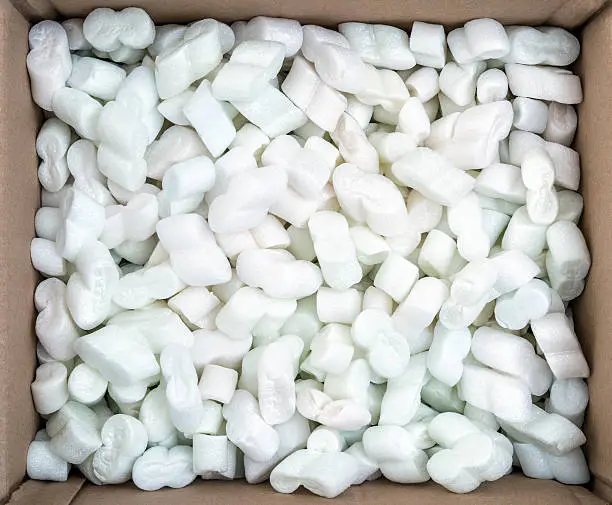
Protective packaging
Laboratory products
Household appliances
Insulation materials
Demand for packaging and consumer goods strongly influences polystyrene production.
Acrylonitrile Butadiene Styrene (ABS)
ABS is a high-performance engineering plastic known for its strength, impact resistance, and durability.
Typical applications include:
Automotive interiors
Consumer electronics
Household appliances
Medical devices
Industrial equipment
3D printing materials
Demand for electronics and automotive manufacturing significantly affects ABS production.
Styrene-Butadiene Rubber (SBR)
SBR is one of the world's most widely produced synthetic rubbers.
Primary applications include:
Automobile tires
Industrial belts
Footwear
Conveyor systems
Rubber hoses
Seals and gaskets
Global automotive production remains the largest driver of SBR demand.
Other Important Styrene Derivatives
Beyond PS, ABS, and SBR, styrene also supports several other important chemical products.
These include:
Unsaturated polyester resins
Styrene-acrylonitrile (SAN) resins
Latex products
Construction composites
Marine materials
Wind turbine components
Coatings and adhesives
Together, these applications further diversify global styrene demand.
Why the Demand Chain Matters
Demand for styrene is influenced by the performance of multiple downstream industries rather than a single market.
Key drivers include:
Packaging Industry
Growth in food packaging and e-commerce increases demand for polystyrene materials.
Automotive Manufacturing
Vehicle production supports consumption of ABS plastics and SBR rubber.
Consumer Electronics
Electronic devices require durable engineering plastics, increasing ABS demand.
Construction
Building materials, insulation, pipes, and composites contribute to styrene consumption.
Infrastructure Development
Industrial equipment and construction activity stimulate demand for resin-based products.
Procurement Implications
Procurement professionals should evaluate styrene markets through the broader downstream value chain.
Monitor Multiple Industries
Changes in automotive, packaging, electronics, and construction sectors all influence styrene demand.
Track Feedstock Markets
Benzene and ethylene prices directly affect styrene production costs.
Diversify Supplier Networks
Working with qualified suppliers across multiple regions improves sourcing resilience.
Strengthen Market Intelligence
Monitor production capacity, maintenance shutdowns, freight conditions, and downstream manufacturing trends.
Improve Forecasting
Demand forecasting should incorporate industry-specific indicators rather than relying solely on historical styrene pricing.
Emerging Industry Trends
Several long-term developments continue shaping styrene markets.
Key trends include:
Growth in lightweight automotive materials
Expansion of recyclable plastics
Increased demand for engineering polymers
Investment in sustainable styrene production
Chemical recycling technologies
Digital procurement and supply chain analytics
These trends are expected to influence future demand across downstream applications.
Building a Resilient Procurement Strategy
Organizations can strengthen styrene sourcing by:
Qualifying suppliers across multiple geographic regions.
Monitoring benzene and ethylene market developments.
Evaluating supplier production capacity and financial stability.
Maintaining appropriate inventory for critical manufacturing operations.
Using procurement analytics to identify emerging supply risks.
Building long-term partnerships with reliable suppliers.
These practices help reduce operational disruptions while improving supply continuity.
Conclusion
Styrene is far more than a standalone petrochemical—it is the starting point for a diverse network of materials that support some of the world's largest manufacturing industries. From polystyrene packaging and ABS engineering plastics to SBR synthetic rubber, downstream applications collectively determine the strength of global styrene demand.
For procurement professionals, understanding this demand chain provides valuable insight into pricing trends, supply risks, and market opportunities. By monitoring downstream industries, diversifying supplier relationships, and integrating market intelligence into sourcing decisions, organizations can build more resilient procurement strategies and maintain reliable access to this essential petrochemical intermediate.
High Density Polyethylene (HDPE) CAS: 9002-88-4