Potassium Nitrate’s Relevance in Modern Food Systems
Potassium nitrate is widely recognized for its diverse industrial applications, but in recent years, its role in the food ingredients sector has gained increasing importance. Traditionally associated with fertilizers and pyrotechnics, potassium nitrate has become a critical additive in select food processes where controlled curing, moisture retention, or color stabilization is required. As global food systems evolve, the need for stable, high-performance additives continues to influence the demand for potassium nitrate.
From 2025 to 2035, the potassium nitrate market is projected to undergo significant transformation. Growth trends point toward rising usage in food preservation, processed meat products, and specialty food ingredient formulations, particularly in regions that follow high safety standards. Singapore, recognized for its leadership in food technology and regulatory excellence plays an important role in connecting global suppliers with food manufacturers seeking high-quality nitrate derivatives.
Singapore’s strategic importance lies not only in trade facilitation but also in food innovation. The nation’s push toward advanced food manufacturing, food security systems, and ingredient technology development positions potassium nitrate as a compound of growing relevance. Whether used in curing blends, fermentation enhancers, or controlled food processing, potassium nitrate continues to align with the region’s movement toward high-efficiency and quality-controlled ingredient usage.
Chemical Profile and Functional Properties
Chemically known as KNO₃, potassium nitrate is a crystalline, water-soluble salt composed of potassium, nitrogen, and oxygen. Each of these elements plays a functional role in food systems. Potassium contributes to mineral content and electrolyte balance, while nitrate acts as a stabilizing agent in specific food applications. Its molecular structure makes it highly reactive and efficient under controlled thermal and enzymatic conditions, particularly during curing and fermentation.
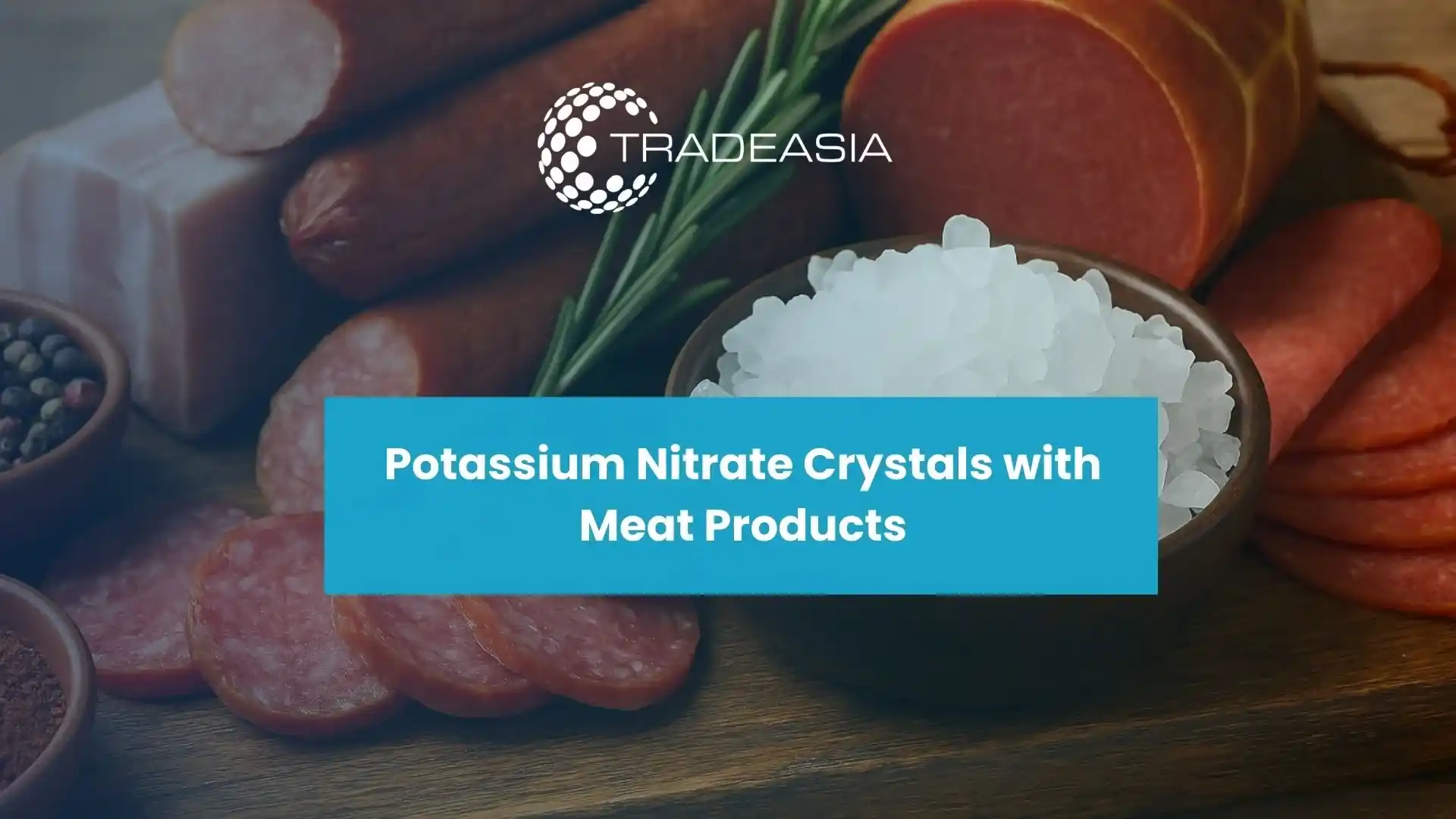
One of the most valued properties of potassium nitrate is its ability to act as a preservative, particularly in meat processing. When correctly applied, nitrate helps inhibit the growth of harmful bacteria such as Clostridium botulinum, enhancing product safety. It also participates in the chemical reactions that create stable color and flavor profiles in cured food products. These functional roles make the compound a vital additive in specialty food systems globally.
Furthermore, potassium nitrate demonstrates strong oxidizing capabilities, which play a role in fermentation and aging processes. In certain traditional food applications—ranging from artisanal cured meats to fermentation-based seasonings the controlled use of potassium nitrate enables predictable results with consistent product quality. Combined with its high solubility and neutral taste, potassium nitrate remains indispensable where precision and consistency are required.
Role of Potassium Nitrate in Food Ingredient Applications
In modern food ingredient technology, potassium nitrate is primarily used for curing and preservation, particularly in processed meats such as bacon, sausages, jerky, and certain types of ham. It contributes to the development of characteristic cured flavors and colors while preventing microbial spoilage. Although many markets now prefer nitrite-based curing systems, potassium nitrate remains important in long-term curing applications where slow nitrate-to-nitrite conversion is essential.
Beyond meat processing, potassium nitrate plays a role in specialty fermentation processes, where its oxidizing properties help regulate microbial activity. Traditional food industries in Asia and Europe continue to use potassium nitrate in select fermentation-based seasonings, though usage is strictly regulated and monitored. As demand for authentic artisanal foods rises, the relevance of such compounds is expected to remain strong.
In addition, potassium nitrate may serve as a functional nutrient additive, particularly in mineral supplementation or electrolyte-balancing formulations. While its use in this category is less common, it reflects the compound’s versatility and compatibility with modern food manufacturing requirements. Its integration across multiple food systems demonstrates its importance as both a functional and performance-enhancing ingredient.
Market Dynamics Driving Growth from 2025 - 2035
From 2025–2035, global potassium nitrate demand is projected to expand due to increasing applications in high-value food systems. One significant driver is the growing processed food sector, especially in Asia-Pacific, where urbanization and changing consumption habits fuel the demand for preserved and shelf-stable products. Countries in Southeast Asia including Indonesia, Vietnam, and the Philippines are expanding their processed meat manufacturing sectors, creating sustained demand for nitrate-based curing agents.
Another factor contributing to growth is the increasing demand for premium curing and fermented foods, particularly those that utilize traditional methods requiring controlled nitrate reactions. Consumer interest in artisanal and heritage food products aligns closely with the functional attributes of potassium nitrate, reinforcing its continued relevance even in a market increasingly focused on natural and clean-label ingredients.
Lastly, the global shift toward food safety, traceability, and regulatory compliance drives demand for high-purity potassium nitrate. Regions such as Singapore require high standards for food-grade nitrate additives, supporting consistent growth in imports and distribution of certified nitrate compounds. As regulatory frameworks tighten, manufacturers are increasingly sourcing from suppliers who meet stringent purity and quality requirements.
Singapore’s Position in the Food Ingredient Supply Chain
Singapore serves as a key logistics and regulatory hub for food ingredient trade across Southeast Asia. Its port infrastructure, advanced quality-control systems, and strategic location provide a foundation for efficient import, storage, and re-export of potassium nitrate. The nation’s stringent food safety regulations also ensure that food-grade potassium nitrate meets internationally recognized quality standards.
Singapore’s food manufacturing ecosystem is rapidly expanding through initiatives like Singapore Food Story, which focuses on food innovation, new ingredient technologies, and advanced manufacturing. This environment contributes to greater demand for high-performance ingredients, including potassium nitrate for specialty curing blends and fermentation formulations.
Moreover, Singapore’s strong trading links with global suppliers particularly from Europe, China, and the United States position the country as a trusted intermediary for distributing potassium nitrate throughout the region. Local distributors maintain strict documentation, traceability, and quality assurance processes, making Singapore a reliable sourcing center for food manufacturers in neighboring markets.
Innovation Trends in Potassium Nitrate Production
Innovation in potassium nitrate manufacturing is primarily driven by the need for greater purity, sustainability, and regulatory compliance. Advances in purification techniques allow manufacturers to produce high-grade potassium nitrate suitable for sensitive food applications, with reduced impurities and enhanced performance under curing or fermentation conditions.
Efforts to minimize environmental impact are also shaping production trends. Manufacturers are adopting low-waste crystallization, improved potassium recovery systems, and energy-efficient production technologies. These improvements are especially relevant in regions with strong sustainability regulations making such products more attractive in markets like Singapore where environmental responsibility is increasingly prioritized.
Finally, emerging research is exploring controlled-release nitrate systems and blended curing agents designed to improve food safety and efficiency. These innovations are expected to play an increasingly important role in future fermented and cured food technologies, further supporting potassium nitrate’s relevance from 2025 to 2035.
Regulatory Environment and Food Safety Considerations
Potassium nitrate use in food is highly regulated globally due to its potential health risks when consumed in excessive quantities. Regulatory bodies such as Singapore Food Agency (SFA), EFSA (European Food Safety Authority), and FDA (U.S. Food and Drug Administration) strictly limit its use to specific food categories and maximum allowable concentrations.
Singapore’s regulations ensure that only approved grades of potassium nitrate with certified purity, low heavy-metal content, and compliance documentation can be used in food manufacturing. Manufacturers must adhere to strict labeling, dosage, and usage guidelines to ensure consumer safety. This regulatory environment fosters market demand for premium-grade potassium nitrate.
Globally, there is increasing pressure to reduce the use of nitrates in everyday food products. This has led to a gradual shift toward natural curing agents and plant-based nitrate sources. However, long-term curing processes and specialty fermented products still rely on potassium nitrate due to its unique functional characteristics and predictable behavior under controlled conditions.
Opportunities and Challenges in the Decade Ahead
One of the major opportunities lies in the growth of premium processed foods, where potassium nitrate remains essential for long curing or fermentation processes. As consumers show increased interest in gourmet and artisanal foods, potassium nitrate continues to support traditional manufacturing methods.
Another opportunity is Singapore’s booming food innovation sector, which leverages scientific advances to develop novel functional ingredients. Potassium nitrate can play a role in next-generation curing systems, controlled fermentation blends, and specialized food processing technologies.
However, challenges persist. Regulatory restrictions, consumer perception of nitrates, and potential substitution with natural alternatives can impact demand. Manufacturers must navigate these challenges by ensuring transparency, quality assurance, and responsible use aligned with health and safety standards.
Future Outlook for Singapore and Global Markets
Between 2025 and 2035, potassium nitrate demand is expected to remain stable with gradual growth driven by food manufacturing expansion, technological advancements, and stringent regulatory frameworks. Singapore’s centralized position in regional food trade reinforces its importance as a key market for high-grade nitrate imports and distribution.
Innovation in the food ingredient sector will likely give rise to new applications for potassium nitrate in controlled curing and fermentation systems. While natural alternatives will play a larger role, potassium nitrate will continue to stand as a benchmark additive for precision, performance, and safety.
As global food systems become more sophisticated, ingredients that offer consistency, reliability, and traceability will remain in high demand, qualities that define food-grade potassium nitrate in the evolving food industry landscape.
Conclusion
Potassium nitrate plays an indispensable role in modern food ingredient applications, particularly in curing, fermentation, and specialty food processing. Its unique chemical properties, consistency, and stability support its continued use in high-value food segments across Asia and the world.
From 2025–2035, growth in premium processed foods, rising global safety standards, and Singapore’s role as a food innovation hub will drive the evolving potassium nitrate market. Despite regulatory and consumer-driven challenges, potassium nitrate remains a critical component of traditional and modern food manufacturing.
For food producers and ingredient distributors, understanding the trends and technological developments shaping potassium nitrate’s future will be essential for aligning with industry standards, sustainability goals, and evolving consumer expectations. For sourcing assistance, regulatory guidance, or high-purity potassium nitrate solutions tailored to your food manufacturing needs, you can reach our team through the Contact Us page at Chemtradeasia Singapore.
References


Leave a Comment