The Role of Potassium Nitrate in Modern Agriculture
Potassium nitrate has emerged as one of the most efficient water-soluble fertilizers in modern agriculture, particularly within fertigation and precision farming systems. Combining two essential macronutrients, potassium (K) and nitrogen (N), it supports balanced plant nutrition throughout the entire crop growth cycle. In Singapore, where land constraints and high-value crops dominate, precision nutrient management is no longer optional but a strategic necessity.
Singapore’s agricultural sector relies heavily on controlled-environment farming, hydroponics, and fertigation-based systems to maximize productivity within limited space. Potassium nitrate fits seamlessly into these systems due to its high solubility, low salt index, and compatibility with automated nutrient delivery technologies. This makes it especially valuable for leafy greens, fruiting vegetables, and high-yield horticultural crops.
As agriculture moves from traditional soil-based fertilization toward data-driven nutrient delivery, potassium nitrate plays a critical role in improving fertilizer efficiency, reducing nutrient loss, and supporting sustainable food production. This article explores its impact from soil preparation to harvest, with a focus on Singapore’s precision agriculture landscape.
Understanding Potassium Nitrate: Composition and Agronomic Value
Potassium nitrate (KNO₃) is a crystalline, water-soluble compound containing approximately 13% nitrogen and 46% potassium. Unlike ammonium-based fertilizers, the nitrogen in potassium nitrate is fully available in nitrate form, allowing for rapid plant uptake without soil acidification. This characteristic is particularly important in Singapore’s intensive farming systems, where nutrient balance must be carefully controlled.
Potassium plays a vital role in enzyme activation, water regulation, and photosynthesis, while nitrate nitrogen supports vegetative growth and protein synthesis. When applied through fertigation, potassium nitrate delivers these nutrients directly to the root zone, minimizing losses from volatilization or leaching. This efficiency aligns well with Singapore’s sustainability-driven agricultural policies.
Moreover, potassium nitrate is chloride-free, making it suitable for chloride-sensitive crops commonly grown in Singapore, such as lettuce, spinach, tomatoes, and strawberries. Its chemical stability and purity also make it compatible with advanced irrigation and nutrient dosing equipment.
Fertigation Systems: Enhancing Nutrient Efficiency
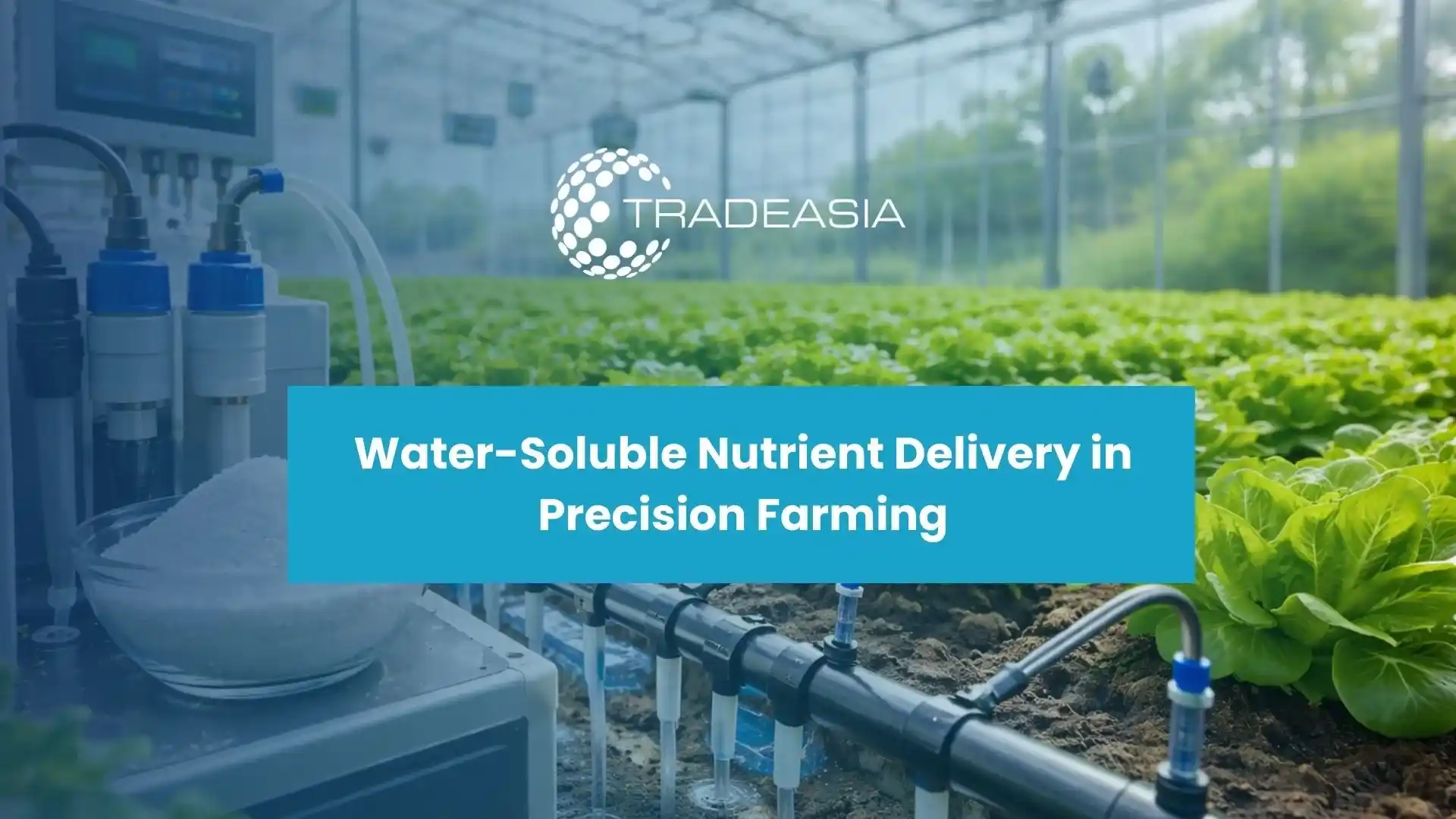
Fertigation refers to the application of fertilizers through irrigation systems, allowing nutrients to be delivered precisely when and where crops need them. In Singapore, fertigation is widely used in greenhouse farming, vertical farms, and hydroponic operations due to its efficiency and scalability. Potassium nitrate is one of the most preferred fertilizers in these systems.
One key advantage of potassium nitrate in fertigation is its complete solubility, which prevents clogging of drip lines and emitters. This is critical for precision systems that rely on uninterrupted nutrient flow. Farmers can adjust nutrient concentrations in real time, responding quickly to crop growth stages or environmental conditions.
Additionally, fertigation with potassium nitrate improves nutrient use efficiency, reducing fertilizer waste and minimizing runoff into surrounding ecosystems. This supports Singapore’s environmental goals while helping growers maintain consistent crop quality and yield across production cycles.
Precision Agriculture and Data-Driven Nutrient Management
Precision agriculture integrates technology such as sensors, automation, and data analytics to optimize farm inputs. In Singapore, where urban farming and high-tech agriculture are rapidly expanding, precision nutrient management is central to productivity. Potassium nitrate is highly compatible with these systems due to its predictable nutrient release and ease of dosing.
Through real-time monitoring of soil moisture, electrical conductivity (EC), and plant nutrient status, farmers can fine-tune potassium nitrate application rates. This ensures crops receive optimal potassium and nitrogen levels without over-fertilization, which can negatively impact plant health and resource efficiency.
The integration of potassium nitrate into precision agriculture systems also supports predictive modeling and AI-driven farming platforms. By using historical and real-time data, growers can forecast nutrient demand and adjust fertigation schedules accordingly, enhancing both yield consistency and cost efficiency.
Soil Health and Root Zone Optimization
Although many Singapore farms use soilless systems, soil-based agriculture still plays an important role, particularly in peri-urban and community farming. Potassium nitrate contributes positively to soil health by supplying nutrients without increasing soil salinity or acidity.
Unlike some potassium fertilizers that contain chloride, potassium nitrate improves soil structure and promotes healthy root development. Strong root systems are essential for nutrient uptake, especially in high-density planting systems common in Singapore. Improved root health translates into better drought tolerance and nutrient efficiency.
Furthermore, potassium nitrate supports microbial activity in the root zone, enhancing nutrient cycling and overall soil fertility. This is particularly valuable in sustainable farming models that aim to reduce chemical inputs while maintaining productivity.
Crop Yield, Quality, and Stress Resistance
Potassium nitrate has a direct impact on crop yield and quality, especially in high-value crops grown in Singapore. Potassium improves fruit size, color, shelf life, and resistance to mechanical damage, while nitrate nitrogen supports uniform growth and biomass development.
In fertigation systems, consistent potassium nitrate supply helps plants cope with environmental stress such as heat, salinity, and water fluctuations. This is critical in Singapore’s tropical climate, where crops are often exposed to high humidity and temperature variability.
Studies have shown that potassium nitrate application improves photosynthetic efficiency and carbohydrate transport within plants, leading to higher yields and better product consistency. These benefits are particularly important for commercial growers supplying premium fresh produce to Singapore’s urban markets.
Sustainability and Environmental Considerations
Sustainability is a key driver of agricultural innovation in Singapore. Potassium nitrate supports environmentally responsible farming by reducing nutrient losses and improving fertilizer efficiency. When applied through fertigation, nutrients are delivered directly to plants, minimizing runoff and groundwater contamination.
The use of potassium nitrate also aligns with Singapore’s push toward low-impact, high-efficiency farming systems. Its compatibility with renewable energy-powered irrigation systems and closed-loop hydroponic setups further enhances its sustainability profile. By optimizing nutrient delivery and reducing waste, potassium nitrate helps farmers meet both economic and environmental goals. This balance is essential for the long-term viability of Singapore’s food production systems.
Market Outlook and Adoption in Singapore
The demand for potassium nitrate in Singapore is expected to grow steadily as precision agriculture and controlled-environment farming continue to expand. Government initiatives supporting local food production and agri-tech innovation are driving adoption of advanced fertigation systems.
As urban farming, vertical agriculture, and smart greenhouses become more prevalent, the need for high-purity, water-soluble fertilizers like potassium nitrate will increase. Suppliers focusing on consistent quality, technical support, and supply reliability are well-positioned to serve this growing market.
Looking ahead, potassium nitrate will remain a cornerstone nutrient in Singapore’s precision agriculture ecosystem, supporting food security, sustainability, and technological advancement from soil to harvest. To explore high-quality potassium nitrate solutions and technical support tailored to fertigation and precision agriculture systems, you can connect with our team through the Contact Us page.

Leave a Comment