
Introduction
The Asian food and beverage industry is a dynamic and rapidly evolving landscape, driven by changing consumer preferences, urbanization, and a growing middle class. At the heart of many beloved products, from indulgent desserts to functional health drinks, lies a fundamental ingredient: natural cocoa powder. More than just a flavoring agent, cocoa powder is a sophisticated food additive that imparts color, aroma, texture, and nutritional value. Its role extends across countless applications, making it a cornerstone for manufacturers throughout the region.
Understanding the sourcing, specifications, and market dynamics of natural cocoa powder is crucial for businesses aiming to compete and innovate. This article delves deep into the world of cocoa powder within the Asian context, exploring its technical aspects as a food additive, its diverse applications, current market trends, and the critical importance of partnering with reliable suppliers and chemical trading experts like Chemtradeasia to ensure quality and supply chain stability.
Natural Cocoa Powder: A Versatile Food Additive
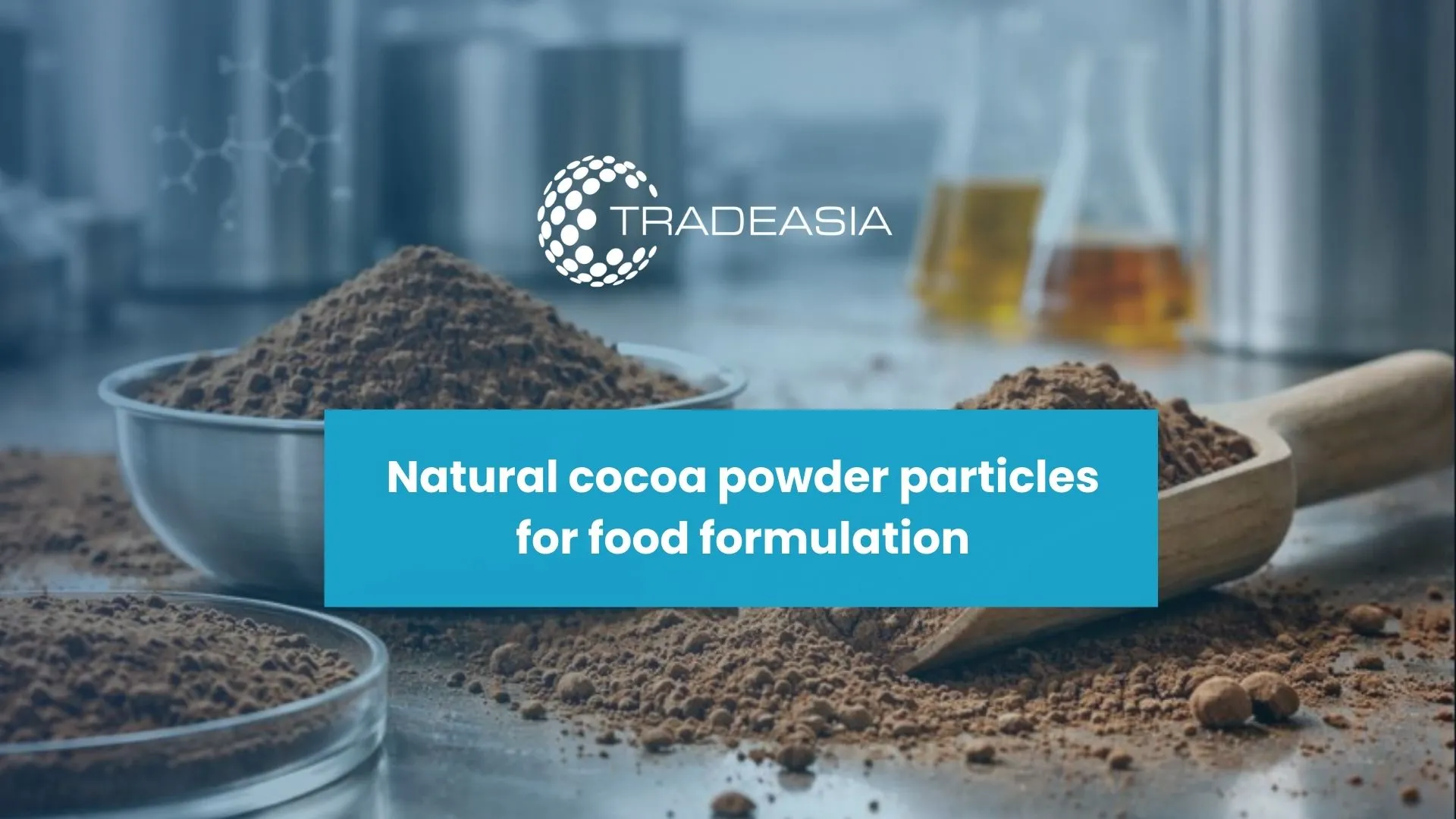
Natural cocoa powder is produced by pressing roasted cocoa beans to remove a significant portion of the cocoa butter, then milling the remaining solid cake into a fine powder. It is characterized by its light to reddish-brown color, strong acidic flavor, and high flavonoid content. As a food additive, its functionality is multifaceted. It acts as a natural colorant, providing rich brown hues to baked goods and beverages. Its primary role is as a flavor enhancer, delivering the quintessential chocolate taste. Furthermore, it can influence texture, acting as a drying agent in baking or providing body to sauces and fillings.
Key specifications define the quality and application suitability of natural cocoa powder. Fat content is a primary differentiator, typically ranging from 10/12% (low-fat) to 20/22% (high-fat), affecting mouthfeel and moisture retention. pH is critical; natural cocoa is acidic (pH 5.0-5.8), which interacts with baking soda for leavening in recipes. Other vital parameters include moisture content (typically below 5%), fineness (mesh size), and microbiological standards. It is often compared to alkalized or Dutch-process cocoa powder, which is treated with an alkali solution to neutralize acidity, resulting in a darker color, milder flavor, and improved solubility but reduced antioxidant levels.
For industrial users, choosing between natural and alkalized cocoa depends on the desired final product characteristics. The nutritional profile of natural cocoa powder is also a significant selling point, as it is rich in polyphenols, flavonoids, and minerals like iron and magnesium. This positions it not only as a flavor additive but also as a functional ingredient in health-oriented products, a trend particularly resonant in health-conscious Asian markets like Japan and South Korea.
Key Applications in the Asian Food & Beverage Industry
The application of natural cocoa powder in Asia is vast and culturally integrated. In the bakery and confectionery sector, which is booming due to Western influence and local innovation, cocoa powder is indispensable. It is used in cakes, cookies, muffins, and brownies, where its acidity is crucial for chemical leavening. Asian bakeries also incorporate it into traditional pastries with modern twists, such as chocolate-filled mochi or cocoa-flavored mooncakes. For chocolatiers and compound coating manufacturers, cocoa powder is a cost-effective way to impart chocolate flavor without the high cost of additional cocoa butter.
Beyond sweets, the beverage industry is a major consumer. Instant chocolate milk powders, chocolate-flavored malt drinks, and ready-to-drink (RTD) chocolate beverages are hugely popular across Asia, from India to Indonesia. The solubility and flavor consistency of the cocoa powder are paramount here. Furthermore, the rise of healthy beverages has seen natural cocoa powder being added to protein shakes, meal replacement powders, and functional wellness drinks, leveraging its antioxidant reputation. In the dairy industry, it is used in flavored yogurts, ice creams, and puddings.
Emerging applications are also noteworthy. Savory applications, though niche, are growing, with cocoa powder used in spice rubs for meats or in complex sauces, adding depth and umami notes. The pharmaceutical and nutraceutical industries utilize it in capsule coatings or as an active component in supplements. This diversification demonstrates that cocoa powder is not a monolithic ingredient but a versatile additive adaptable to Asia's complex and evolving palate.
Market Insights: The Cocoa Powder Landscape in Asia
The Asia-Pacific region is a powerhouse in the global cocoa market, both as a growing consumer and a processing hub. While West Africa dominates bean production, countries like Malaysia, Indonesia, Singapore, and India have become major centers for cocoa grinding and processing. This regional processing capability is a key trend, reducing dependency on imported finished powder and allowing for more tailored products for local markets. The Asian cocoa market is projected to continue its robust growth, fueled by rising disposable incomes, urbanization, and the "premiumization" of food products.
Consumer trends are significantly shaping demand. There is a clear shift towards "clean-label" and natural ingredients. This directly benefits natural cocoa powder over its alkalized counterpart, as it is perceived as less processed. The health and wellness trend is another major driver, with consumers actively seeking out products with functional benefits, aligning perfectly with the antioxidant narrative of natural cocoa. Furthermore, the indulgence segment remains strong, with a growing appetite for high-quality, gourmet chocolate experiences in markets like China and South Korea.
However, the market faces challenges. Price volatility of raw cocoa beans on international exchanges directly impacts powder costs. Supply chain complexities, from bean origin to processing, require sophisticated logistics. Sustainability and ethical sourcing (Fair Trade, UTZ) are becoming critical purchase criteria for both manufacturers and end-consumers, especially in developed Asian economies. Companies that can navigate these challenges while capitalizing on the trends, such as through partnerships with knowledgeable suppliers, are poised for success.
Sourcing Quality: The Role of Chemical Traders and Suppliers
For food manufacturers in Asia, sourcing consistent, high-quality natural cocoa powder is a strategic operation. This is where specialized chemical and ingredient traders and suppliers play an indispensable role. Companies like Chemtradeasia act as vital intermediaries, connecting Asian manufacturers with a global network of cocoa processors. They provide more than just a product; they offer supply chain solutions, technical expertise, and market intelligence that individual manufacturers may lack.
A reputable supplier ensures several critical factors. First is quality assurance. They provide detailed specifications (fat content, pH, microbiology) and often supply certificates of analysis (CoA) from accredited labs, ensuring the powder meets both company standards and local food safety regulations (like ASEAN, FSSAI, or MFDS guidelines). Second is supply reliability. By managing logistics, customs clearance, and inventory, they mitigate the risk of production stoppages due to ingredient shortages. They can also offer blended or customized cocoa powder formulations to meet specific client needs, such as a particular flavor profile or functional property.
Partnering with an expert trader like Chemtradeasia provides access to a diversified portfolio. A manufacturer can source standard 10/12% natural cocoa powder for bulk baking applications, a premium high-fat variant for gourmet chocolates, or even organic-certified powder for a niche health brand, all from a single, trusted point of contact. This simplifies procurement, reduces administrative burden, and allows food companies to focus on their core competency: creating innovative and delicious products for the competitive Asian market.
Conclusion
Natural cocoa powder stands as a testament to how a single food additive can be foundational to an entire industry. In Asia's vibrant and diverse food sector, it is far more than a simple brown powder; it is an engine for flavor, innovation, and market growth. Its journey from bean to powder involves complex considerations of chemistry, specification, and application science. The market's trajectory, driven by health, premium, and clean-label trends, underscores its enduring and expanding relevance.
Navigating this landscape successfully requires more than just purchasing an ingredient; it demands a strategic partnership. By leveraging the expertise, network, and logistical prowess of established chemical trading and supplier firms like Chemtradeasia, Asian food and beverage manufacturers can secure a competitive edge. They gain assured access to quality, consistency, and innovation in their cocoa supply, enabling them to confidently meet the present demands and future opportunities of one of the world's most dynamic consumer regions. To ensure a consistent supply of high-quality natural cocoa powder backed by technical expertise and reliable regional distribution, food and beverage manufacturers can connect directly with Chemtradeasia.