
Introduction
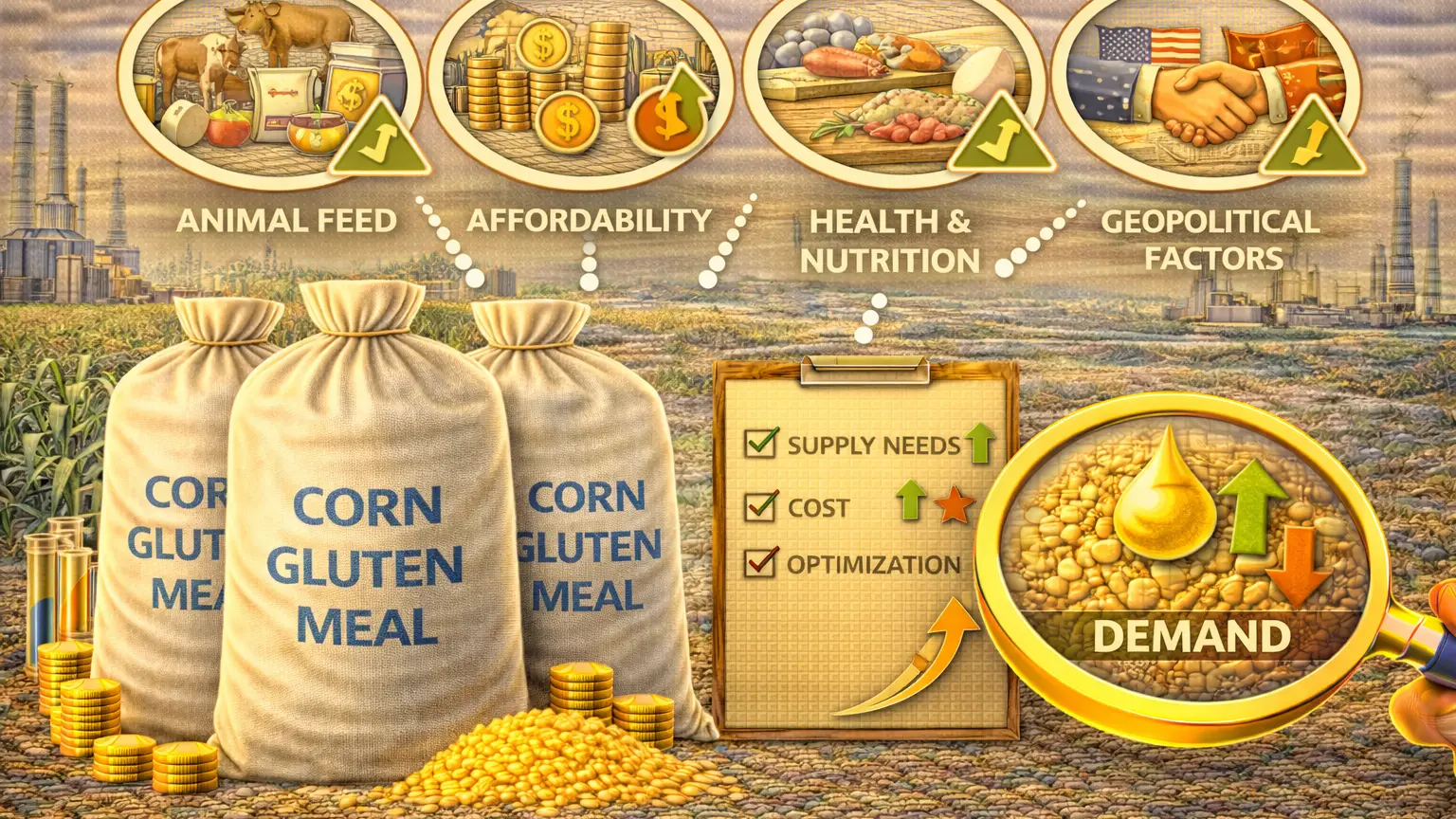
The American agricultural landscape is witnessing a significant shift in feed ingredient utilization, with corn gluten meal emerging as a cornerstone of modern, efficient livestock and poultry production. As producers face mounting pressure from volatile grain prices, sustainability mandates, and the relentless pursuit of optimal animal performance, alternative high-protein feed sources are gaining unprecedented traction. Market signals across the United States—from rising procurement by integrated feed mills to increased inclusion rates in dairy and poultry rations—point decisively toward stronger consumption of this versatile corn co-product.
This trend is not merely a reaction to short-term market fluctuations but a strategic realignment towards cost-effective and nutritionally dense ingredients. Corn gluten meal, a byproduct of corn wet-milling, offers a compelling value proposition with its high protein concentration, energy content, and unique functional properties. For industry stakeholders, from nutritionists to procurement managers, understanding the dynamics propelling this demand is crucial. This article delves into the key market drivers, explores the extensive applications and benefits, and underscores the importance of partnering with established global suppliers like Chemtradeasia.com to secure a consistent, high-quality supply chain for this essential ingredient.
Understanding Corn Gluten Meal: A Premium Feed Ingredient
To appreciate its market rise, one must first understand what corn gluten meal is. It is not related to the gluten found in wheat; rather, it is the dried residue from corn after the removal of the starch, germ, and bran during the wet-milling process. This process yields a concentrated product that is typically 60% protein or higher, making it one of the most potent plant-based protein sources available for animal feed. Its distinctive yellow color is due to high levels of xanthophylls, a pigment that enhances the yolk color in eggs and the skin pigmentation in broilers, adding value beyond basic nutrition.
The production process ensures a consistent and nutrient-dense profile. A typical specification for premium corn gluten meal includes a minimum of 60% crude protein, 2.5% fat, and 1% fiber. It is also rich in methionine and cystine, sulfur-containing amino acids often limiting in poultry diets, while being relatively low in lysine. This specific amino acid profile makes it an excellent complementary protein to soybean meal. Furthermore, it serves as a significant source of metabolizable energy, often comparable to corn grain itself, which allows nutritionists to formulate diets that meet both protein and energy requirements simultaneously from a single ingredient.
Its physical form—a free-flowing granular meal—ensures excellent handling and mixability in feed mills. Unlike some liquid or bulky protein sources, corn gluten meal integrates seamlessly into automated feeding systems, from mash to pelleted feeds. This combination of nutritional density, functional benefits, and handling efficiency solidifies its status not as a mere byproduct, but as a strategic, high-value feed ingredient in the nutritionist's toolkit.
Key Market Drivers Fueling Demand in America
Several powerful economic and agricultural trends are converging to accelerate corn gluten meal adoption across the United States. Primarily, the volatility and sustained high prices of traditional protein sources like soybean meal have forced feed formulators to seek cost-effective alternatives. When priced competitively, corn gluten meal offers a superior protein-per-dollar value, especially in regions close to corn wet-milling hubs in the Midwest. This economic driver is perhaps the most immediate signal boosting consumption, as nutritionists continuously re-optimize least-cost ration formulations.
Secondly, the expansion and intensification of the American livestock and aquaculture sectors directly increase demand for reliable protein inputs. The U.S. is a global leader in poultry, swine, and dairy production, industries that operate on thin margins and require precise, scalable nutrition. The consistent supply of corn gluten meal from domestic corn processing supports this scale. Additionally, the growth of the pet food industry, particularly the premium and natural segments, has opened a new avenue. Pet food manufacturers value its high protein content, natural origin, and gluten-free status (in the context of wheat gluten), making it a favored ingredient in many specialty formulas.
Finally, broader macro trends play a role. The push for sustainable and circular agricultural practices elevates the status of co-products like corn gluten meal. Utilizing this nutrient-rich stream from bioethanol and starch production reduces waste and improves the overall environmental footprint of the corn value chain. This alignment with sustainability goals is increasingly important for large integrators and consumer-facing brands, adding a strategic dimension to its procurement beyond simple economics.
Applications and Benefits in Modern Animal Nutrition
The applications of corn gluten meal are diverse, spanning virtually all major livestock categories. In poultry nutrition, it is a powerhouse ingredient. For broilers, its high protein and energy density support rapid growth and efficient feed conversion. The xanthophylls enhance skin and shank pigmentation, meeting market preferences for yellow-colored birds. In layer diets, it contributes to strong egg production and dramatically improves yolk color, a key quality parameter for both table eggs and processed egg products. Its favorable amino acid profile helps balance diets when used in conjunction with soybean meal.
In ruminant nutrition, particularly for dairy cattle, corn gluten meal serves as an excellent source of rumen-undegradable protein (RUP or "bypass protein"). This means a significant portion of its protein escapes fermentation in the rumen and is digested in the small intestine, providing essential amino acids directly to the cow for milk production. This leads to measurable improvements in milk yield and component levels (fat and protein). For beef cattle and sheep, it is a valuable high-energy protein supplement in finishing rations and for grazing animals during periods of forage quality decline.
Beyond traditional livestock, its use is growing in aquaculture feeds for species like carp and tilapia, and in premium pet foods. The benefits are clear: it provides a highly digestible, palatable, and concentrated source of protein that promotes lean muscle development. Compared to some alternative proteins, it offers superior consistency and lower risk of contaminants like mycotoxins when sourced from reputable processors. This multifaceted utility, delivering performance benefits across species, is a fundamental reason for its entrenched and expanding role in American animal agriculture.
Sourcing and Quality: The Role of Reliable Suppliers
As demand grows, consistent access to high-quality corn gluten meal becomes a critical competitive advantage for feed manufacturers and livestock producers. Quality can vary based on the corn source and the efficiency of the milling process, affecting protein content, color, and freedom from contaminants. This is where partnering with a seasoned and reliable global supplier becomes paramount. Suppliers like Chemtradeasia.com specialize in navigating the complexities of the agricultural commodities market, providing clients with assurance on specification adherence, supply continuity, and logistical efficiency.
A professional supplier does more than just transact; they add value through market intelligence, helping buyers anticipate price movements and secure contracts advantageously. They ensure the product meets strict specifications—guaranteeing minimum protein levels, consistent granularity, and optimal moisture content—through rigorous quality control checks. For American buyers, a global supplier network can provide flexibility, accessing product from different production regions to mitigate local supply shortages or capitalize on favorable pricing, all while managing the intricacies of international logistics and documentation.
Establishing a relationship with a trusted partner mitigates risk in the supply chain. It ensures that the corn gluten meal integrated into your formulations is not only nutritionally reliable but also sourced responsibly. This reliability allows nutritionists to formulate with confidence, knowing the ingredient's performance will be consistent batch after batch, which is essential for maintaining animal health, productivity, and ultimately, profitability in a high-stakes industry.
Future Outlook and Sustainability Trends
The future for corn gluten meal consumption in America appears robust, underpinned by long-term structural trends. The ongoing focus on protein self-sufficiency and supply chain resilience within the U.S. agricultural sector favors domestically produced ingredients. As corn production continues to be a mainstay of American agriculture, the supply of its co-products, including corn gluten meal, will remain stable and abundant. Furthermore, advancements in animal genetics demanding higher-density nutrition will further entrench the need for premium protein sources.
Sustainability will be an ever-louder drumbeat. The concept of the "circular bioeconomy," where every part of a crop is utilized for maximum value and minimum waste, positions corn gluten meal as a model ingredient. Its use transforms an industrial co-product into a vital food-producing resource, significantly lowering the environmental footprint of both the corn processing and animal production industries. Life cycle assessments consistently show that utilizing co-products improves the overall sustainability metrics of the primary product, a fact that will drive preference among environmentally conscious corporations and consumers.
Innovation may also open new frontiers. Research into fractionating corn gluten meal to isolate specific proteins or peptides for specialized nutritional or industrial uses could create additional value streams. However, its core market will remain in animal nutrition, where its combination of nutritional efficacy, economic value, and sustainability credentials is unmatched. As these macro trends accelerate, the market signals pointing to stronger consumption are likely to intensify, solidifying its status as a staple in the American feed industry for decades to come.
Conclusion
The evidence is compelling: corn gluten meal is experiencing a sustained surge in demand within the American market. This trend is driven by a powerful confluence of economic necessity, nutritional science, and a growing imperative for sustainable practices. Its role as a high-protein, energy-dense, and functionally beneficial ingredient makes it indispensable for optimizing animal performance across poultry, dairy, beef, and aquaculture operations. The economic logic of incorporating it into least-cost formulations, coupled with its alignment with circular economy principles, ensures its relevance will only deepen.
For businesses looking to capitalize on this trend and secure a competitive edge, the strategy is twofold. First, nutritionists and formulators should continue to explore and validate optimal inclusion rates of corn gluten meal within their specific production systems to unlock its full value. Second, and equally critical, is establishing a robust supply chain through partnerships with reputable global suppliers. Providers like Chemtradeasia.com offer the market expertise, quality assurance, and logistical reliability required to navigate this dynamic market successfully. By understanding these market signals and acting strategically, stakeholders can turn the growing appetite for corn gluten meal into a tangible driver for efficiency, sustainability, and profitability.