Introduction
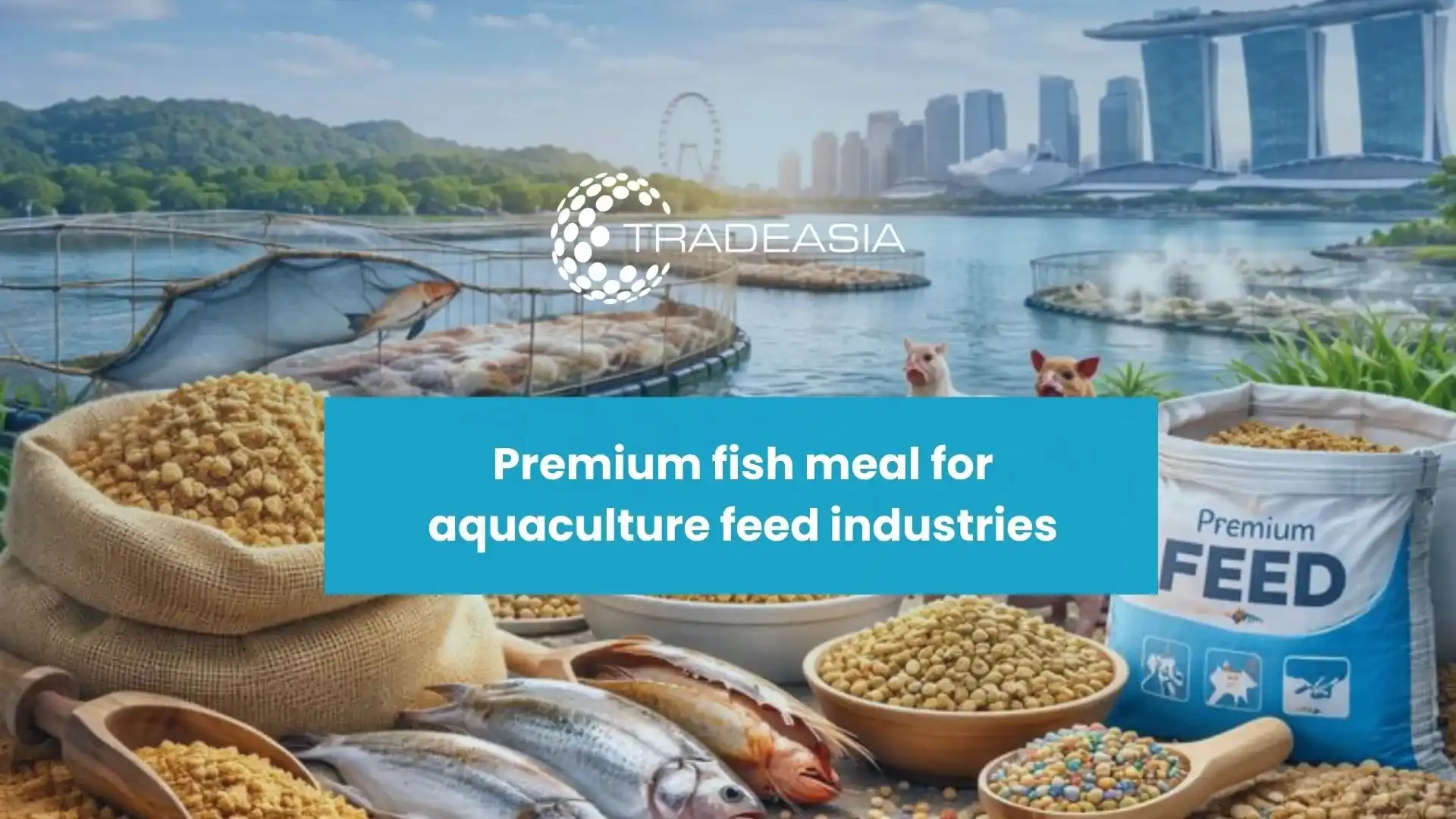
The global demand for high-quality protein sources is on a relentless rise, driven primarily by the expanding aquaculture and livestock industries. At the heart of this demand lies Fish Meal, a nutrient-dense powder renowned for its exceptional amino acid profile, digestibility, and rich content of essential fatty acids and minerals. As a global hub for trade, logistics, and innovation, Singapore has carved out a pivotal role in the aquaculture feed ingredients market, serving as a critical gateway for high-grade Fish Meal into the Asia-Pacific region and beyond.
This article provides a comprehensive analysis of the Fish Meal market in Singapore, delving into its applications, the specific grades and specifications that define product quality, and the evolving trends that stakeholders must navigate. Furthermore, we will underscore the critical importance of partnering with established and reliable suppliers in this complex supply chain, highlighting the value proposition offered by specialized chemical and ingredient traders like Chemtradeasia in ensuring consistency, quality, and supply security for businesses across the region.
The Strategic Role of Singapore in the Global Fish Meal Trade
Singapore's geographical position at the crossroads of major shipping lanes is its primary strategic advantage. The country's world-class port facilities and efficient logistics infrastructure make it an ideal transshipment and distribution hub for bulk commodities like Fish Meal. Major producing nations such as Peru, Chile, Thailand, and Vietnam regularly route shipments through Singapore, where the product is often stored, blended, or repackaged before being distributed to key consuming markets in Southeast Asia, including Indonesia, Malaysia, Vietnam, and Thailand, which are all major aquaculture producers.
Beyond logistics, Singapore's robust regulatory framework and reputation for high standards in trade and quality control add significant value. Importers and feed millers across the region trust Singapore-based suppliers to provide products that meet stringent international specifications. The presence of advanced testing laboratories and a business environment that prioritizes transparency and contract adherence makes Singapore a preferred sourcing point for premium feed ingredients. This ecosystem supports not just trade, but also value-added services like quality assurance, technical support, and supply chain financing.
Understanding Fish Meal: Production, Grades, and Specifications
Fish Meal is produced through a process of cooking, pressing, drying, and grinding whole fish or fish trimmings. The quality of the final product is not uniform and is critically dependent on the raw material source and processing technology. The industry categorizes Fish Meal primarily by the species of fish used. Prime quality Fish Meal, such as those made from anchovy or menhaden, is characterized by a high protein content (typically 64-68%), low ash and fat content, and excellent amino acid balance, particularly in lysine and methionine. These grades are the gold standard for high-performance aquafeeds, especially for sensitive species like shrimp and marine fish.
Conversely, Fish Meal produced from by-products (frames, offal) or mixed species may have slightly lower protein levels (60-64%) and higher ash content. Specifications are paramount. Key parameters buyers must scrutinize include: crude protein (min. %), crude fat (max. %), ash (max. %), moisture (max. %), and the presence of antioxidants to prevent fat rancidity. Furthermore, safety specifications like limits for histamine (a spoilage indicator), sand/silica, and contaminants are non-negotiable for maintaining animal health and feed safety. Understanding these specifications is essential for formulators to optimize feed cost and performance.
Key Applications in Aquaculture and Animal Feed Industries
The primary and most demanding application for high-grade Fish Meal is in aquaculture feed. For carnivorous and omnivorous farmed species such as shrimp, salmon, seabass, and grouper, Fish Meal is an irreplaceable ingredient in starter and grow-out feeds. Its high palatability ensures strong feed intake, while its perfect amino acid profile supports rapid growth, efficient feed conversion ratios (FCR), and improved survival rates. In larval and post-larval stages, where digestive systems are underdeveloped, the high digestibility of premium Fish Meal is crucial for successful nursery operations.
Beyond aquaculture, Fish Meal finds significant use in the broader animal nutrition sector. It is a valuable component in feeds for poultry (especially broiler starter diets), swine (for sows and weanlings), and pet food. In these applications, it serves as a concentrated source of high-quality protein and essential nutrients that promote growth, reproductive performance, and overall animal health. The use of specialized Fish Meal products, such as hydrolyzed fish protein or fish soluble concentrates, is also growing in premium pet food and functional feed additive segments, offering enhanced digestibility and attractant properties.
Market Dynamics and Trends Shaping Singapore's Fish Meal Sector
The Singapore Fish Meal market is influenced by a complex interplay of global and regional factors. On the supply side, fluctuations in fish catch quotas in Peru (the world's largest producer) due to El Niño climatic events directly impact global prices and availability, causing volatility that reverberates through the Singapore hub. Simultaneously, rising demand from Asia's booming aquaculture industry creates consistent upward pressure on consumption. Sustainability has moved from a niche concern to a central market driver. There is growing demand for Fish Meal certified by organizations like the Marine Stewardship Council (MSC) or derived from by-products, aligning with corporate sustainability goals.
Technological and formulation trends are equally impactful. While Fish Meal remains essential, its high cost is driving increased research and adoption of alternative proteins (soy protein concentrate, insect meal, single-cell proteins). The modern trend is not about complete replacement but about strategic, optimized inclusion. This shifts the demand in Singapore towards higher-quality, more efficient Fish Meal that delivers maximum nutritional punch at lower inclusion rates. Furthermore, the rise of traceability and blockchain technology in supply chains is becoming a key differentiator, with buyers increasingly demanding proof of sustainable and ethical sourcing.
Sourcing Quality: The Importance of Reliable Suppliers like Chemtradeasia
In a market characterized by quality variability and price volatility, the choice of supplier is a critical business decision. Partnering with a reputable and established supplier like Chemtradeasia mitigates numerous risks. Such suppliers provide more than just a product; they offer supply chain assurance. They have established long-term relationships with mills in producing countries, which secures consistent access to quality batches that meet specified parameters. This reliability is vital for feed manufacturers who require stable ingredient quality to maintain their own product consistency and brand reputation.
A key value-add from professional suppliers is rigorous quality control. Companies like Chemtradeasia typically implement a multi-stage QC process, including pre-shipment inspections, independent lab analysis at port, and certificate of analysis (CoA) provision for every batch. This ensures that the Fish Meal delivered matches the promised specifications for protein, moisture, ash, and contaminants. Furthermore, they offer logistical expertise, handling the complexities of international shipping, customs clearance in Singapore, and inland transportation, ensuring timely delivery. Their market intelligence can also guide buyers on price trends and optimal purchasing timing, adding strategic value beyond the transaction.
Conclusion
The Fish Meal market in Singapore is a dynamic and sophisticated segment of the global animal nutrition industry. Its growth is inextricably linked to the success of aquaculture and efficient livestock production across Asia. While the market faces challenges from price volatility and sustainability pressures, these also drive innovation towards higher-quality, responsibly sourced products and more efficient usage. Understanding the nuances of product grades, applications, and market trends is essential for any business operating in this space.
Ultimately, navigating this complex landscape successfully requires more than just market knowledge; it demands a trusted partnership with a capable supplier. Engaging with established, quality-focused partners like Chemtradeasia provides businesses with the reliability, quality assurance, and supply chain expertise needed to secure a competitive edge. By ensuring a consistent supply of premium Fish Meal and other critical feed ingredients, such partnerships empower feed producers and farmers to achieve optimal animal health, growth performance, and operational sustainability in the long term. To discuss Fish Meal specifications, sustainable sourcing options, and reliable supply solutions tailored to your feed applications, you can connect with our team through the Contact Us page.

Leave a Comment