
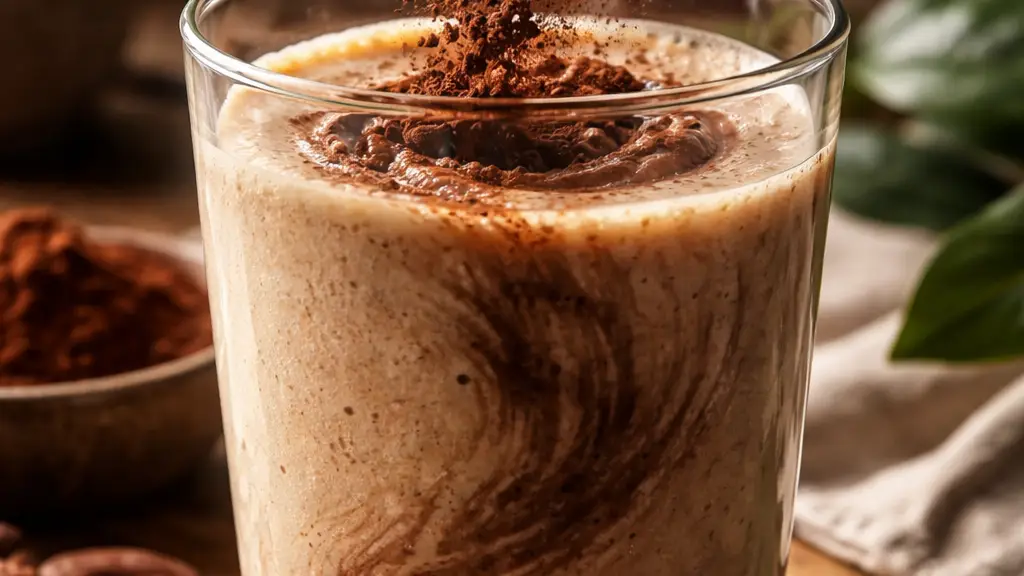
Cocoa powder has spent decades competing on flavour. Its next act is competing on function. Across global beverage markets — from protein shakes in North America to fortified hot chocolate in Southeast Asia — manufacturers are reformulating around cocoa's polyphenol profile, not just its taste. This shift is structural, not cyclical, and it is reshaping procurement strategies across the functional food and beverage supply chain.
From Commodity Ingredient to Functional Claim
For most of its industrial history, cocoa powder was evaluated on two dimensions: fat content and flavour intensity. That calculus has changed. The active compounds in cocoa specifically flavanols such as epicatechin are now the subject of a growing body of clinical and regulatory attention that has given beverage formulators a new toolkit.
In 2023, the U.S. Food and Drug Administration issued a qualified health claim specifically for high flavanol cocoa powder, stating that products containing at least 4% naturally conserved cocoa flavanols may reduce the risk of cardiovascular disease. The claim is narrow and qualified as the FDA stopped short of a definitive endorsement, but its commercial significance is substantial. For the first time, functional beverage brands have a regulatory pathway to make a heart-health assertion using cocoa powder as the active ingredient, not merely a flavouring agent.
This regulatory development sits within a broader clinical picture. Research published in peer-reviewed journals, including the landmark COSMOS trial involving over 21,000 healthy adults over five years, found that participants receiving cocoa flavanols showed measurable improvements in cardiovascular health outcomes. Mechanistically, the flavanols in cocoa powder trigger nitric oxide pathways that improve vascular elasticity, reduce blood pressure, and support arterial function effects that sports nutrition brands have been quick to position around pre-workout and recovery applications.
Market Size and Growth Trajectory
The global cocoa powder market was valued at approximately USD 22.2 billion in 2024 and is projected to expand at a compound annual growth rate of 4.8% through 2034. These headline numbers understate the more dynamic sub-segment story. Within cocoa's end-use breakdown, the food and beverage category generated USD 13.1 billion in 2024 holding a 59.1% market share and it is the functional beverage application within this segment that is registering the sharpest momentum.
The cocoa-based polyphenols market, a more targeted lens on functional-grade cocoa ingredients, was valued at USD 97.4 million in 2024 and is forecast to grow at 5.8% annually through 2030. Within this segment, functional beverages accounted for the largest revenue share at 32.9% in 2024,a figure that reflects how centrally beverage brands have positioned cocoa polyphenols as a cardiovascular and cognitive benefit driver.
The hot chocolate market, which straddles indulgence and functional consumption is expanding rapidly, projected to reach USD 25 billion in 2025 and growing at a 16.8% CAGR through 2032 as premium, fortified, and low-sugar variants capture consumer attention in both developed and emerging economies.
The Buyer Landscape: Who Is Driving Demand
Sports Nutrition and Protein Supplement Brands
Sports nutrition is the fastest-moving procurement vertical for functional-grade cocoa powder. The convergence of cocoa's flavanol content with protein delivery formats has produced a wave of product innovation in ready-to-drink shakes, powdered pre-workouts, and recovery supplements.
In August 2025, Vital Proteins launched its first ready-to-drink protein shake — a light chocolate format with 30 grams of protein and 10 grams of collagen peptides — targeting consumers seeking multi-benefit wellness products rather than single-function supplements. The formulation is emblematic of a broader category logic: cocoa powder delivers flavour acceptance while the polyphenol content anchors a functional claim, making it easier to market across gym, pharmacy, and premium grocery channels simultaneously.
Barry Callebaut's 2024 launch of defatted cocoa powders under its Bensdorp brand, specifically designed for sports nutrition and wellness applications — signals that even major ingredient suppliers are reorganising their commercial roadmaps around this buyer segment.
Functional Beverage and RTD Manufacturers
Mainstream beverage manufacturers are embedding cocoa powder into product architectures that would previously have relied on synthetic flavouring or entirely different ingredient systems. Companies such as Nestlé and Hershey have expanded cocoa-infused product lines to serve both traditional chocolate beverage consumers and health-conscious reformulation buyers. The growing preference for plant-based, low-sugar, and fortified drinks is pushing procurement teams toward high-quality, alkalized or natural cocoa powders that can deliver consistent flavour and dispersibility at industrial scale.
Alkalized cocoa powder processed with Dutch-process techniques leads in beverage applications due to its enhanced solubility, milder flavour, and deeper colour. This grade commands premium pricing and is the dominant choice for RTD manufacturers requiring reliable performance across hot-fill and cold-brew formats.
Nutraceutical and Supplement Producers
The nutraceutical channel treats cocoa powder as a concentrated polyphenol delivery system rather than a flavouring agent. Brands such as CocoaVia have built commercial products directly around standardised flavanol extracts their Cardio Health Powder references the COSMOS study explicitly, using clinical data as the primary market differentiator. This approach is pulling cocoa powder procurement upstream into pharmaceutical-grade sourcing discussions, where certificate of analysis documentation, polyphenol standardisation, and traceability from farm to extraction facility are standard contract requirements.
The dietary supplement and nutraceutical segment is growing at a faster clip than general food and beverage, driven by consumer willingness to pay premium prices for clinically-referenced formulations and by the expanding regulatory vocabulary around flavanol health claims.
Food Service and Premium Hot Beverage Operators
Coffee shop chains and food service operators represent a large-volume, brand-sensitive procurement segment. Premium suppliers to this segment including Starbucks, which sources high-cocoa-content powder from specialist producers require consistent quality, brand alignment, and supply reliability above all else. Innovation in this channel is moving toward functional additions: probiotic-enriched hot chocolate mixes, adaptogen-blended cocoa beverages, and protein-fortified café drinks are all drawing on cocoa powder as the base ingredient and flavour anchor.
Key Demand Drivers Shaping Procurement Decisions
Clinical Validation and Regulatory Headroom
The FDA qualified health claim for high-flavanol cocoa powder is the single most commercially significant regulatory development in the ingredient's recent history. While the claim is tightly worded, it provides beverage brands in the United States and indirectly shapes regulatory conversations in other markets with a defensible basis for cardiovascular health positioning. This is a material procurement driver: formulators and brand owners are actively seeking cocoa powder grades that meet the 4% naturally-conserved flavanol threshold.
Clean-Label and Traceable Sourcing Expectations
Consumer demand for clean-label ingredient declarations has migrated from premium retail into mainstream mass-market formulations. Cocoa powder's natural origin, absence of synthetic additives, and recognisability to consumers make it a well-suited base for brands seeking to reduce processing steps visible on pack. At the same time, clean-label expectations now extend to sourcing provenance. Certification to Rainforest Alliance, Fairtrade, or UTZ standards has shifted from a marketing differentiator to a baseline requirement for supply into European retail and increasingly into North American premium channels.
Direct sales channels now account for 73.5% of cocoa powder procurement in 2025, reflecting the shift toward bilateral supply arrangements between ingredient producers and industrial buyers seeking traceability, quality consistency, and pricing visibility outside spot market exposure.
Commodity Price Volatility Creating Specification Pressure
Cocoa bean prices surged by 136% between July 2022 and February 2024, driven by supply disruptions in West Africa. This price environment has intensified specification discipline in procurement: buyers are scrutinising yield, solubility, and polyphenol retention more carefully to extract maximum functional value from higher-cost input. Specialty grades of cocoa powder were trading at USD 4,200/MT or above through late 2025, versus commodity grades at approximately USD 3,200/MT. The premium is not eroding demand in functional segments formulators are willing to pay for standardised polyphenol content but it is accelerating rationalisation of lower-functionality grades from health-positioned product lines.
Asia-Pacific as a Structural Growth Market
Asia-Pacific contributing approximately 26% of global cocoa powder demand in 2024 is the geography with the greatest medium-term demand growth potential for functional applications. Rising disposable incomes, rapid expansion of modern retail and e-commerce, and growing penetration by both international functional food brands and domestic beverage manufacturers are driving uptake. Japan's market, growing at a 4.3% CAGR through 2035, shows particular strength in dairy-free and functional beverage applications, with a pronounced preference for clean-label and traceable cocoa ingredients consistent with that market's food safety standards.
In June 2024, Hershey established additional manufacturing capacity in Malaysia alongside a research and development innovation hub, signalling the company's intent to develop regionally-tailored product formulations, a move that will pull cocoa powder procurement into new regional specification conversations across Southeast Asia.
Supply Chain Considerations for Beverage Buyers
Functional-grade cocoa powder sourcing is structurally more complex than commodity procurement. The key variables are polyphenol content and retention, which are highly sensitive to processing methods: Dutch-process alkalisation improves solubility but reduces flavanol content, while natural cocoa powder retains higher polyphenol levels but behaves differently in formulation. Buyers seeking to support a specific cardiovascular or antioxidant claim must specify not only grade and fat content but the processing method and polyphenol standardisation documentation required.
Major global suppliers Barry Callebaut, Cargill, Olam International, and Nestlé — each maintain certified and traceable cocoa programmes, but the specialist functional ingredient segment is increasingly served by mid-tier processors with stronger polyphenol standardisation capabilities. Cocoa bean grindings — the upstream indicator of powder availability were running at approximately 1.9 million metric tonnes annually in 2025, reflecting some supply chain friction from West African production constraints. This underscores the case for long-term supply contracts over spot market reliance, particularly for functional-grade specifications.
Strategic Implications for Buyers and Formulators
Cocoa powder's position in functional beverages is no longer speculative. It is supported by clinical evidence, anchored by a qualified regulatory claim, and actively pursued by major food and supplement brands. The competitive advantage in this ingredient has shifted from price negotiation to specification quality and provenance assurance.
Procurement teams sourcing cocoa powder for functional beverage applications should prioritise three variables: polyphenol standardisation (with documentation adequate to support a health claim if required), traceability certification aligned with target retail channel requirements, and processing method transparency that allows formulators to predict flavanol retention through the manufacturing process.
The brands moving fastest in the functional beverage category are not simply adding cocoa to existing product architectures. They are building around cocoa powder's documented bioactivity and marketing that bioactivity to consumers who increasingly demand that their beverages do more than taste good.
FAQ: Cocoa Powder in Functional Beverages
What makes cocoa powder a functional ingredient in beverages? Cocoa powder contains flavanols — particularly epicatechin — which are bioactive compounds with documented effects on cardiovascular function, blood pressure, and blood flow. These compounds trigger nitric oxide pathways in the body, supporting vascular elasticity and arterial function, making cocoa powder genuinely functional rather than merely flavourful.
What is the FDA health claim for cocoa powder? In 2023, the FDA issued a qualified health claim for high flavanol cocoa powder, stating that products containing at least 4% naturally-conserved cocoa flavanols may reduce the risk of cardiovascular disease. This claim applies specifically to high flavanol cocoa powder and does not extend to regular cocoa powder or standard chocolate products.
Which beverage categories use cocoa powder as a functional ingredient? Cocoa powder is used across sports nutrition protein shakes, pre-workout and recovery supplements, nutraceutical powders, premium hot chocolate mixes, RTD functional beverages, and meal replacement formats. The ingredient is also gaining traction in cognitive health and mood support beverage segments.
Who are the major buyers of functional-grade cocoa powder globally? Sports nutrition brands, nutraceutical supplement producers, RTD beverage manufacturers, and premium food service operators are the primary procurement segments. Major buyers include multinational food companies such as Nestlé and Hershey, as well as specialist supplement brands like CocoaVia and Barry Callebaut's Bensdorp range.
What drives demand for cocoa powder in the functional beverage market? Key drivers include the FDA cardiovascular health claim, growing clinical evidence on flavanol bioactivity, consumer preference for natural and clean-label functional ingredients, rising health and wellness spending globally, and the expansion of the sports nutrition and nutraceutical categories.
How does processing method affect cocoa powder's functional value? Dutch-process (alkalized) cocoa powder has improved solubility and a milder flavour but reduced flavanol content compared to natural cocoa powder. Buyers targeting a specific polyphenol or cardiovascular health claim must specify natural or minimally-processed grades and verify polyphenol retention data from their supplier.
What is the global market size for cocoa powder used in functional beverages? The broader cocoa powder market was valued at approximately USD 22.2 billion in 2024. Within this, cocoa-based polyphenols — the functional ingredient sub-segment most relevant to beverage health claims — represent a USD 97.4 million market growing at 5.8% annually, with functional beverages accounting for the largest share at 32.9% of that total.
Which regions show the strongest demand growth for cocoa in functional beverages? Asia-Pacific is the fastest-growing regional market, with Japan and Southeast Asia showing particular strength in functional and clean-label beverage applications. North America remains the largest single market for functional beverage launches, supported by the FDA health claim and established sports nutrition distribution infrastructure.