
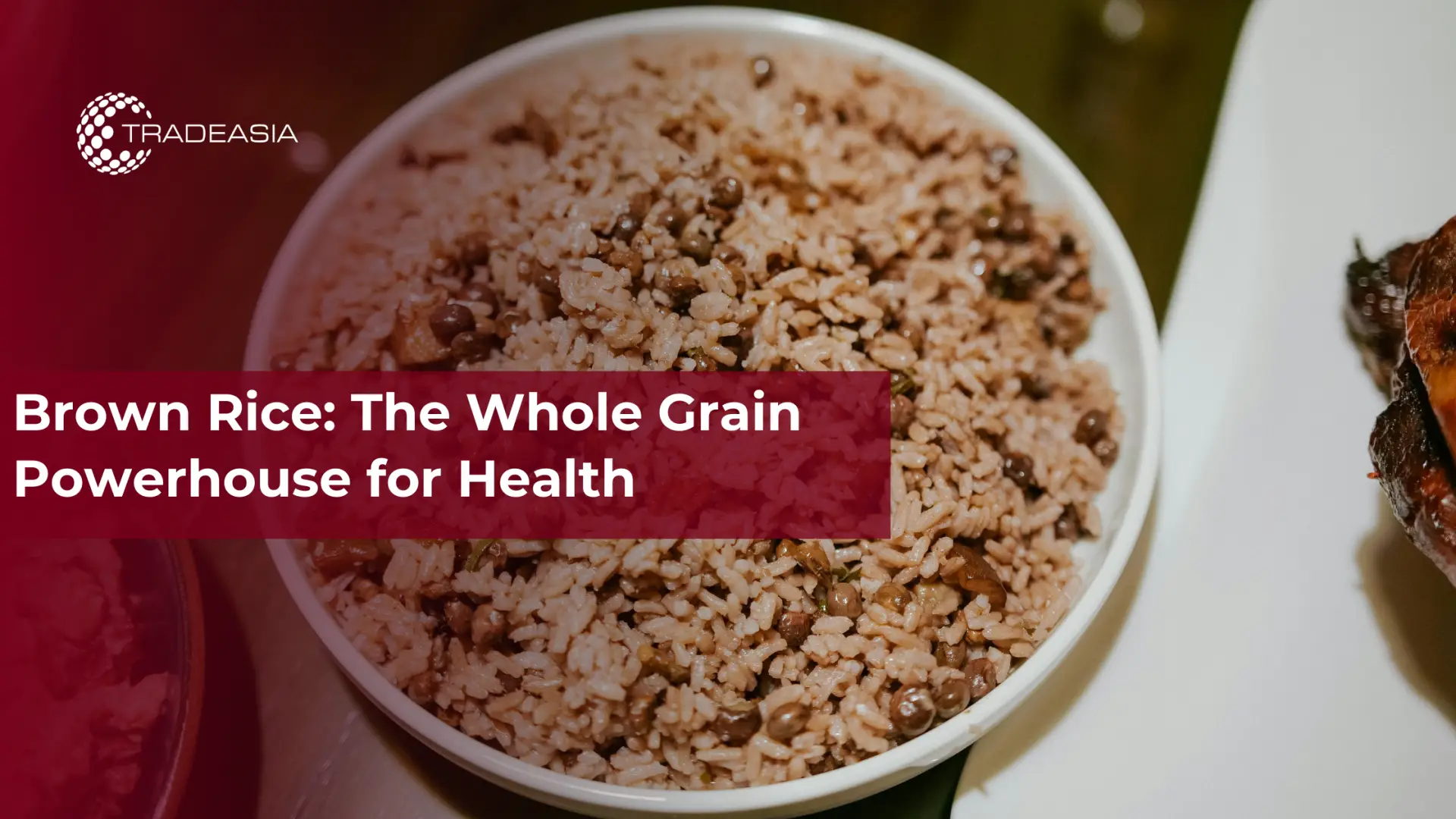
Introduction: Rediscovering the Power of Whole Grains
In an era where consumers are increasingly conscious about clean labels, whole foods, and preventive healthcare, brown rice has re-emerged as one of the most relevant and nutritionally powerful staple grains in global diets. As a minimally processed whole grain, brown rice retains its bran and germ layers—components that are removed during the polishing process that produces white rice. These intact outer layers are rich in dietary fibre, essential vitamins, minerals, antioxidants, and bioactive compounds that contribute to its superior nutritional profile.
Unlike white rice, which undergoes extensive milling and polishing that strip away valuable nutrients, brown rice preserves its natural structure and nutrient density. The result is a grain with a distinctive nutty flavour, slightly chewy texture, and a robust health profile that supports metabolic balance, cardiovascular wellness, digestive health, and chronic disease prevention. Across Asia, Europe, the Americas, and emerging health-driven markets worldwide, brown rice is increasingly recognised not only as a staple carbohydrate source but also as a functional food ingredient with versatile industrial and culinary applications.
Scientific literature, including research published in the Journal of Food Science and Technology and analyses available through ScienceDirect, has consistently highlighted the enhanced nutritional value of brown rice and its germinated forms. These findings reinforce its position as a key component of balanced diets and value-added food innovations.
This comprehensive article explores brown rice from multiple perspectives, including its nutritional composition, functional properties, health benefits, applications across industries, preparation methods, potential limitations, and its growing importance in sustainable food systems.
What Is Brown Rice? Understanding Its Structure and Processing
Brown rice is a whole grain form of rice in which only the outermost hull is removed during processing. The bran layer and germ remain intact, preserving the grain’s natural fibre, micronutrients, and phytochemicals. In contrast, white rice undergoes polishing and milling processes that remove these nutrient-dense components, leaving primarily the starchy endosperm.
The bran layer is particularly rich in dietary fibre, B-vitamins such as thiamine and niacin, minerals including magnesium and manganese, and bioactive compounds such as ferulic acid and gamma-oryzanol. The germ contains essential fatty acids, vitamin E, and additional antioxidants that contribute to overall health.
Research on germinated brown rice, also referred to as sprouted brown rice, has demonstrated even greater enhancement in nutrient bioavailability. Studies cited in the Journal of Food Science and Technology indicate that controlled soaking and germination processes significantly increase levels of gamma-aminobutyric acid (GABA), dietary fibre, and certain micronutrients, while improving digestibility and sensory properties.
This minimal processing approach aligns with modern clean-label trends, where consumers seek foods that are less refined and closer to their natural state.
Nutritional Composition: What Makes Brown Rice Superior?
The nutritional value of brown rice reflects its whole-grain integrity. A typical one-cup serving of cooked brown rice contains approximately 215 to 225 calories, providing 45 to 52 grams of carbohydrates, 4.5 to 5.5 grams of protein, 1.6 to 2 grams of fat, and 3.2 to 3.5 grams of dietary fibre. It also delivers substantial amounts of magnesium, manganese, selenium, phosphorus, and B-vitamins.
Magnesium plays a crucial role in over 300 enzymatic reactions, including energy metabolism, nerve transmission, and muscle contraction. Manganese functions as a cofactor for antioxidant enzymes and supports bone formation and metabolic regulation. Selenium contributes to immune defence and DNA repair mechanisms. Together, these nutrients position brown rice as more than a carbohydrate source—it is a micronutrient-rich whole food.
Comparative studies accessible via PubMed Central demonstrate that replacing refined grains with whole grains like brown rice significantly improves fibre intake, glycaemic control, and micronutrient status in diverse populations.
Functional Benefits of Brown Rice in Human Health
The health benefits of brown rice extend across multiple physiological systems. Its dietary fibre supports smooth digestion, prevents constipation, and promotes a balanced gut microbiome by acting as a prebiotic substrate for beneficial bacteria. Improved gut health is increasingly linked to systemic immune function and metabolic stability.
The moderate glycaemic index of brown rice, typically ranging from 50 to 55, contributes to steadier blood glucose responses compared to white rice, which often exhibits a glycaemic index above 70. Research published in the Journal of Food Science and Technology suggests that germinated brown rice consumption may improve postprandial glucose control and enhance insulin sensitivity.
Cardiovascular benefits are also notable. The soluble fibre fraction helps reduce low-density lipoprotein (LDL) cholesterol levels by binding bile acids and promoting their excretion. Magnesium and potassium contribute to vascular relaxation and blood pressure regulation. Antioxidants such as ferulic acid and gamma-oryzanol protect endothelial cells from oxidative stress, thereby supporting long-term heart health.
Furthermore, whole-grain consumption, including brown rice, has been associated with reduced risk of type 2 diabetes, stroke, and certain forms of cancer. Meta-analyses referenced through ScienceDirect indicate that higher whole-grain intake correlates with measurable reductions in chronic disease incidence.
Brown Rice and Blood Sugar Regulation
One of the most compelling applications of brown rice is in blood sugar management and diabetes prevention. Whole grains slow carbohydrate digestion and glucose absorption, resulting in more stable blood glucose curves after meals. Dietary fibre enhances insulin responsiveness and reduces glycaemic variability.
Clinical observations suggest that substituting white rice with brown rice may reduce the risk of developing type 2 diabetes by up to 16 to 23 percent, depending on dietary patterns and population characteristics. This effect is attributed not only to fibre content but also to magnesium’s role in insulin signalling pathways.
For individuals managing diabetes, portion control remains essential, but brown rice offers a more metabolically favourable alternative to refined grains.
Brown Rice for Weight Management and Satiety
Brown rice supports weight management strategies due to its fibre density and nutrient profile. High-fibre foods increase satiety by slowing gastric emptying and stimulating appetite-regulating hormones. As a result, individuals often consume fewer calories overall when whole grains are incorporated into meals.
Unlike refined carbohydrates that can trigger rapid spikes and subsequent crashes in blood sugar, brown rice provides sustained energy release. This steady glucose supply reduces cravings and stabilises mood, making it easier to maintain consistent eating patterns.
B-vitamins present in brown rice also assist in efficient energy metabolism, supporting active lifestyles and metabolic balance.
Digestive Health and Gut Microbiome Support
The fibre in brown rice acts as a prebiotic substrate, feeding beneficial gut bacteria and promoting microbiome diversity. Emerging research underscores the importance of gut health in regulating inflammation, immunity, and even mental health.
Studies referenced in PubMed Central highlight how germination processes can reduce antinutrients such as phytic acid while increasing nutrient bioavailability and digestive tolerance. As the grain becomes easier to chew and digest, it becomes accessible to a broader range of consumers, including those transitioning from low-fibre diets.
Regular inclusion of brown rice is associated with improved bowel regularity, reduced risk of colorectal cancer, and enhanced nutrient absorption efficiency.
Applications of Brown Rice in Food and Beverage Industries
Beyond household consumption, brown rice serves as a versatile ingredient in food manufacturing. It is widely used in ready-to-eat meals, rice bowls, grain salads, breakfast cereals, and snack products. Brown rice flour is incorporated into gluten-free bakery items, extruded snacks, noodles, and functional beverage formulations.
Research published in the Journal of Food Science and Technology demonstrates that germinated brown rice flour improves bread texture and enhances nutritional content when partially substituting wheat flour. Although high substitution rates may affect gluten structure, moderate incorporation levels enhance softness and flavour.
In plant-based food development, brown rice protein isolates are increasingly utilised as dairy and meat alternatives due to their hypoallergenic and gluten-free characteristics. Brown rice syrup also functions as a natural sweetener in organic and health-oriented products.
The adaptability of brown rice across traditional cuisines—from Indian curries and biryanis to Mediterranean salads and Latin American rice dishes—further underscores its global relevance.
Sustainability and Whole-Grain Advocacy
Brown rice aligns with sustainable dietary models by requiring less processing energy compared to polished white rice. Minimal milling preserves nutrients while reducing industrial resource consumption. Whole-grain promotion also supports dietary diversity and long-term public health strategies.
Encouraging brown rice consumption contributes to reduced reliance on ultra-processed refined carbohydrates and fosters more sustainable food systems.
Preparation Methods for Optimal Quality and Nutrition
Proper preparation enhances both flavour and nutrient retention. Rinsing removes surface starch and potential contaminants. Soaking for 30 to 60 minutes reduces cooking time and improves digestibility. Cooking typically requires a two-to-one water ratio and approximately 40 to 50 minutes of simmering. Allowing the rice to rest before fluffing improves texture.
Cooked brown rice should be stored in airtight containers under refrigeration and consumed within four to five days to maintain freshness and prevent spoilage.
Potential Limitations and Considerations
While brown rice offers substantial health benefits, certain considerations apply. It may contain higher levels of inorganic arsenic compared to white rice because arsenic accumulates in the bran layer. Thorough rinsing, cooking with excess water, and diversifying grain intake help minimise exposure.
The higher fibre content may initially cause digestive discomfort in individuals unaccustomed to fibre-rich diets, though adaptation typically occurs over time. Additionally, natural oils in the bran reduce shelf life, requiring proper storage in cool, dry conditions.
Conclusion: Embracing Brown Rice for Health and Innovation
Brown rice stands as a nutritional powerhouse that bridges traditional dietary practices with modern functional food innovation. From improving metabolic health and supporting cardiovascular function to enhancing digestive wellness and contributing to sustainable food systems, its benefits are both immediate and long-term.
For manufacturers, distributors, and food formulators seeking high-quality brown rice and value-added grain ingredients, comprehensive sourcing and technical information are essential. To explore more insights on food ingredients, applications, and market intelligence, visit foodadditivesasia.com. For direct inquiries, specifications, or supply requirements, contact food@chemtradeasia.com and connect with our technical team for tailored solutions.