Borax pentahydrate (Na₂B₄O₇·5H₂O) has grown from a versatile industrial commodity into a critical mineral at the center of the global energy transition. The global boron market was valued at approximately USD 3.75 billion in early 2026 and is projected to reach USD 5.48 billion by 2034. As a more concentrated form of boron than its decahydrate counterpart, 74.6 lbs of pentahydrate delivers the same boric oxide (B₂O₃) content as 100 lbs of decahydrate, making it the preferred choice for high-volume applications in solar glass, electronics, and high-performance fertilizers.
The Interconnected Forces Behind Borax Pentahydrate Pricing
The pricing index for borax pentahydrate is rarely driven by a single factor. Raw material costs, energy-intensive processing, concentrated supply geography, and shifting end-use demand all interact in ways that can amplify or offset each other. A spike in maritime freight costs, for instance, often coincides with seasonal restocking in the ceramics sector, creating a multiplier effect on the index. Understanding how these forces work together is what separates reactive procurement from truly resilient supply planning.
Primary Raw Material Costs and Feedstock Fluctuations
The price of borax pentahydrate is directly tied to the cost and availability of its primary feedstocks, sodium tetraborate and tincal ore. Because borates are priced based on their boric oxide (B₂O₃) content, any fluctuation in the grade or cost of the parent ore flows directly through to the refined product's price index. In late 2025, the Asia-Pacific region recorded an 8.35% increase in the pricing index, driven largely by elevated offers for upstream sodium tetraborate. In North America, stable soda ash benchmarks during the same period helped flatten production cost trends, illustrating how ancillary input costs can either amplify or offset broader inflationary pressure depending on the region.
How Energy Intensity Shapes Production Costs
The transformation of raw borate ore into refined pentahydrate is an energy-intensive process that accounts for a significant share of the final market price. Most global production, including operations by Rio Tinto in California and Eti Maden in Turkey, relies on conventional open-pit mining followed by a six-stage refining process covering dissolving, settling, crystallizing, filtering, drying, and conveying. Minerals such as tincal require high-temperature calcination to reach the desired B₂O₃ concentration.
Supply Chain Disruptions and Logistics Costs
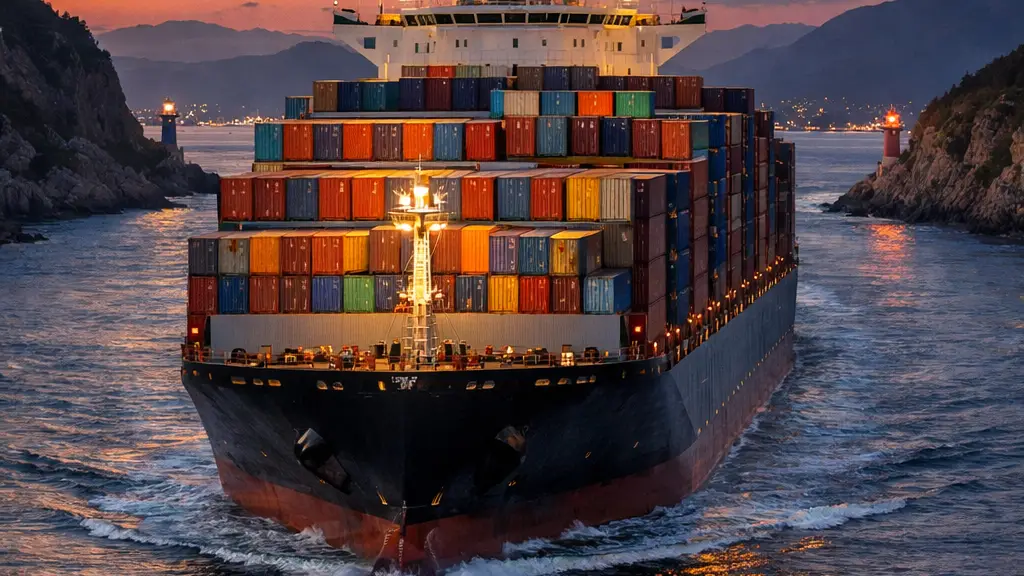
Logistics costs represent one of the most volatile components of the borax pentahydrate pricing index. Because production is geographically concentrated while consumption is global, the landed cost of the material is heavily influenced by the condition of key transportation corridors. The suspension of Suez Canal transit and ongoing Red Sea uncertainty throughout 2025 and 2026 forced longer shipping routes, increasing transit times and fuel surcharges across major trade lanes. In the United States, railcar scheduling constraints and aging domestic infrastructure have periodically supported short-term index increases. The product's hygroscopic nature, its tendency to absorb moisture and cake during storage, requires moisture-controlled packaging, with producers typically charging a premium for smaller pack sizes relative to bulk shipments. Chemtradeasia helps buyers navigate these logistics complexities by providing transparent landed cost assessments across multiple supply origins.
Geographical Concentration and Regional Pricing Disparities
Turkey and the United States together control approximately 75% to 80% of global borax pentahydrate supply, a level of concentration that makes the market highly sensitive to regional economic and policy shifts. Turkey's state-owned Eti Maden benefits from subsidized energy and labor, positioning it as the global low-cost benchmark. United States production carries a higher cost base due to regulatory compliance, environmental standards, and labor costs, creating a persistent pricing gap between the two origins. Currency movements add further complexity, as depreciation of the Turkish Lira can make Turkish exports more competitive globally, while a weak Indian Rupee raises landed costs for manufacturers who depend heavily on imports. The closure of Searles Valley Minerals' facilities in early 2026 reduced North American production capacity further, increasing regional reliance on Turkish imports and adding upward pressure on prices.
Demand from Key End-Use Industries
The glass and ceramics sector accounts for approximately 49% to 50% of global borax pentahydrate consumption and remains the dominant driver of the pricing index. The surge in solar photovoltaic glass manufacturing is an accelerating force within this segment, with the solar glass market projected to reach USD 22.05 billion by 2026. When solar glass manufacturers expand capacity, the resulting demand can tighten the spot market almost immediately. In agriculture, borates serve as a non-substitutable micronutrient essential for crop reproduction and fruit development, maintaining a stable demand floor regardless of broader market conditions. The cleaning products segment, representing approximately 34% of volume demand, has seen borax benefit from the broader industry shift toward eco-friendly, phosphate-free formulations. High-tech and electronics applications, including 5G devices and LCD screens, require high-purity borosilicate glass and often command premium pricing that tracks separately from standard industrial grades.
Geopolitical Shifts and the Critical Minerals Designation
A defining development shaping the 2026 pricing landscape is the formal designation of borates as critical minerals by both the United States and the European Union. Government initiatives such as Project Vault, aimed at establishing strategic mineral reserves, have introduced a new layer of demand that operates independently of industrial consumption, creating a scarcity premium in the index that is difficult to anticipate through conventional supply and demand modeling. Energy policy adds a further dimension, as the furnace-based refining process makes producers sensitive to natural gas tariff increases during winter months in Europe and Turkey, prompting FOB price adjustments regardless of whether downstream demand has shifted.
What This Means for Procurement and Supply Strategy
The volatility inherent in the borax pentahydrate pricing index calls for a proactive approach to procurement planning. Relying on a single geographic source carries increasing risk as geopolitical and logistics pressures intensify. Manufacturers are increasingly diversifying sourcing toward emerging projects in South America and the United States to hedge against regional disruptions. Maintaining a three to six month buffer stock is becoming standard practice to protect against logistics shocks and port congestion. For large-scale users such as glass manufacturers, optimizing melting furnaces to reduce flux requirements can help offset rising input costs. Buyers are also moving toward hybrid contract models that combine long-term volume security with the flexibility to capture market dips.
Learn more about how Chemtradeasia connects buyers with reliable borax pentahydrate supply across multiple origins and provides the market intelligence needed to make confident procurement decisions.
FAQ (Frequently Asked Question)
What is borax pentahydrate used for? It is widely used in solar glass manufacturing, ceramics, high-performance fertilizers, cleaning products, and electronics. Its high B₂O₃ concentration makes it the preferred choice for industrial-scale applications.
Why is borax pentahydrate pricing so volatile? Prices are influenced by a combination of seasonal energy costs, feedstock availability, logistics disruptions, and concentrated supply from Turkey and the United States. These factors rarely move independently, often amplifying each other.
Which countries produce the most borax pentahydrate? Turkey and the United States together control approximately 75% to 80% of global supply. Turkey's Eti Maden holds over 70% of the world's borate reserves, making it the dominant low-cost global benchmark.
How do shipping disruptions affect borax pentahydrate prices? Disruptions such as Red Sea tensions and Suez Canal closures force longer shipping routes, increasing transit times and fuel surcharges. These logistics costs can push up the landed price independently of production cost movements.
What buffer stock level is recommended for buyers? Industry practice is moving toward maintaining three to six months of buffer stock to protect against supply disruptions, port congestion, and unexpected price spikes.
How can I secure a reliable supply of borax pentahydrate? Chemtradeasia connects buyers with verified suppliers across multiple origins, offering market insights and end-to-end trade support. Contact our team to discuss your sourcing requirements and request a quote.
Leave a Comment