Introduction Citric Acid Monohydrate
The global fertilizer industry is undergoing a structural shift toward higher efficiency, lower environmental impact, and more precise nutrient delivery. Within this context, citric acid monohydrate has emerged as a versatile auxiliary ingredient in fertilizer formulations, valued for its chelating, pH-adjusting, and solubilizing properties. As we approach 2026, demand for this organic acid in agricultural and industrial fertilizer applications is expected to rise in line with the growth of specialty and value-added fertilizers.
Citric acid has long been used in food, beverage, and pharmaceutical sectors, but its role in fertilizers is increasingly strategic. In multi-nutrient blends, water-soluble fertilizers, and foliar products, citric acid monohydrate helps maintain nutrient availability, prevent precipitation, and enhance plant uptake of key micronutrients such as iron, zinc, and manganese. These functional benefits align with global trends toward higher crop yields per hectare, better nutrient use efficiency (NUE), and compliance with stricter environmental regulations.
For global buyers and formulators, understanding the evolving market, product specifications, and sourcing options is essential. This article provides a detailed overview of the 2026 outlook for citric acid monohydrate in industrial fertilizer applications, with a particular focus on buyer requirements, performance advantages, and the role of international distributors such as chemtradeasia in connecting producers with downstream fertilizer manufacturers worldwide.
Global Market Outlook for Citric Acid Monohydrate
Citric acid is one of the world’s most widely produced organic acids, with the majority of volume still directed to food and beverage applications. However, non-food uses—including detergents, industrial cleaners, construction chemicals, and fertilizers, have been gaining share. Industry analyses have estimated that the global citric acid market has been growing at a compound annual growth rate (CAGR) in the mid-single digits, driven by population growth, processed food consumption, and increased use in specialty formulations across industries.
Within this broader market, demand from agriculture and fertilizers is comparatively smaller in volume but higher in value-add. As fertilizer producers pivot toward water-soluble NPK blends, controlled-release formulations, and micronutrient-enriched products, the need for reliable chelating and acidifying agents is expanding. By 2026, the share of citric acid monohydrate consumed in non-food technical applications is expected to rise, with fertilizers representing a growing niche segment, particularly in Asia-Pacific, Latin America, and parts of Europe where intensive horticulture and greenhouse cultivation are expanding.
From a regional perspective, Asia-Pacific—led by China, India, and Southeast Asian countries—is both a major production hub and a fast-growing consumption center for citric acid. China remains the dominant global producer, exporting substantial volumes to Europe, North America, the Middle East, and Africa. At the same time, fertilizer use in emerging markets is becoming more sophisticated, with increased adoption of drip irrigation, fertigation, and foliar feeding. These practices often require water-soluble fertilizers and auxiliary ingredients such as citric acid monohydrate, creating a more interconnected global supply chain that buyers must navigate carefully with the support of trading partners like chemtradeasia.
Product Profile: Citric Acid Monohydrate for Fertilizer Use
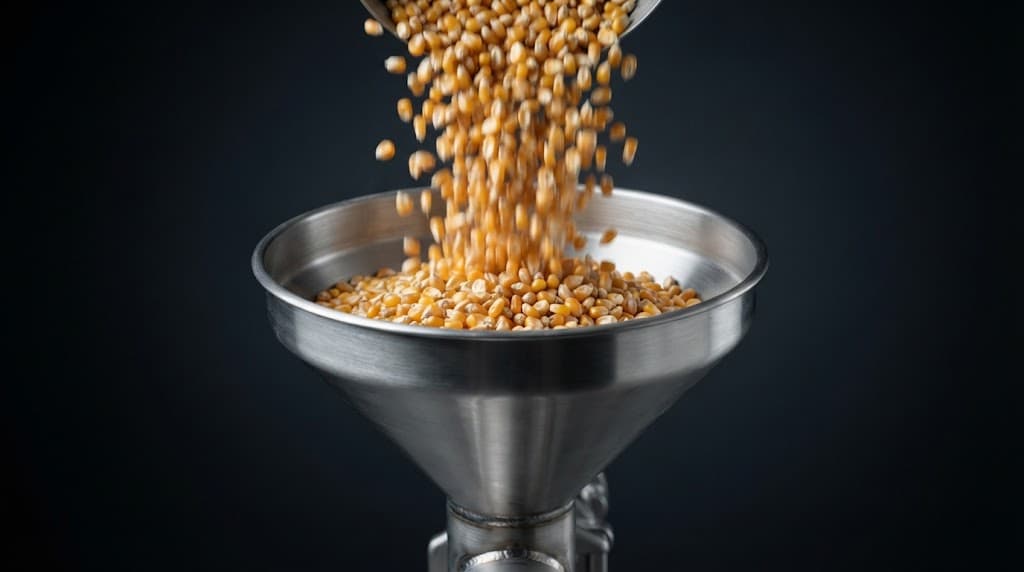
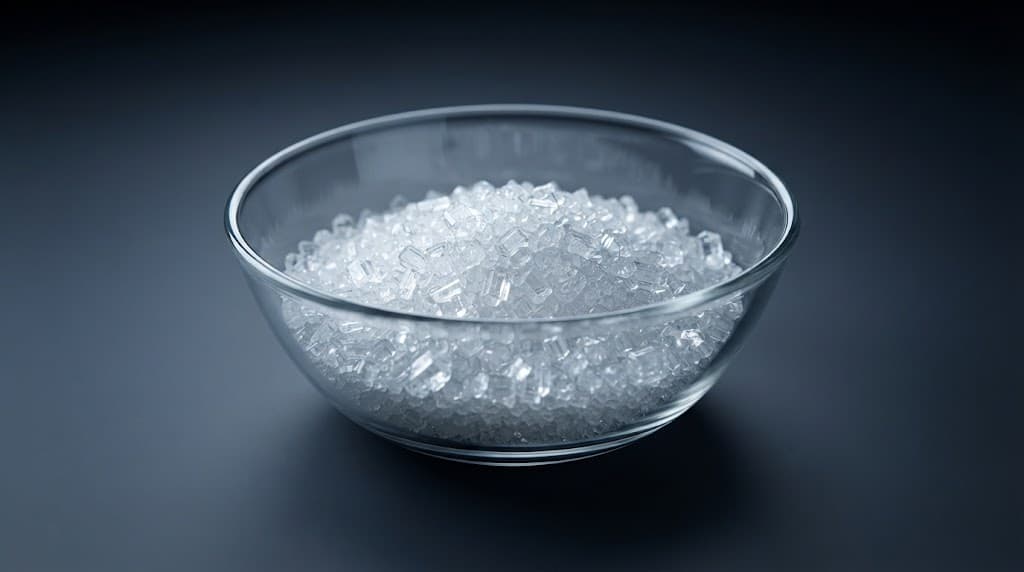
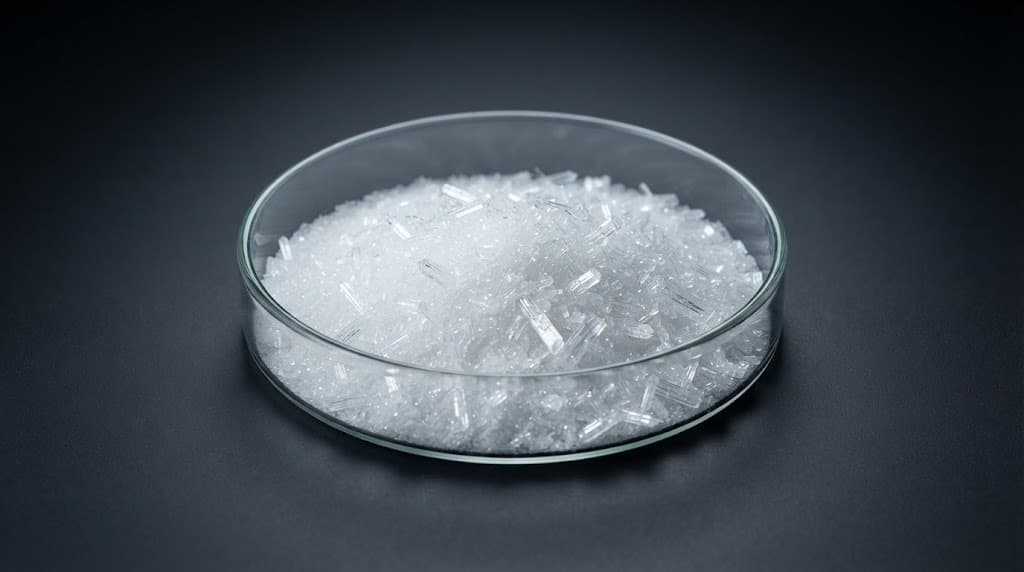
Citric acid monohydrate is the crystalline, hydrated form of citric acid, typically produced via microbial fermentation of carbohydrate sources such as corn, sugar beet, or cassava. For fertilizer applications, buyers usually specify industrial or technical grades rather than food-grade, though some high-value formulations may still prefer food-grade quality to ensure low impurity levels. The monohydrate form contains one molecule of water of crystallization and is typically supplied as colorless, odorless crystals or crystalline powder.
Key specifications that fertilizer buyers monitor include assay (often ≥ 99.5% on a dry basis), moisture content (around 7.5–9%), pH of a 1% solution (usually between 2.0 and 2.5), heavy metal limits (such as lead and arsenic), and insoluble matter. Particle size distribution is also important: finer powders dissolve faster and are preferred for liquid fertilizers and fertigation systems, while coarser granules can be acceptable in bulk-blended solid fertilizers. Compliance with standards such as FCC, BP/USP (for food and pharma), or equivalent technical specifications is often referenced even for industrial use to ensure consistent quality.
In comparison with other organic acids like oxalic or tartaric acid, citric acid offers a favorable combination of strong chelating capacity, relatively low toxicity, biodegradability, and cost-effectiveness. It forms stable complexes with divalent and trivalent metal ions, helping keep micronutrients in solution and available for plant uptake. For buyers focused on sustainability and regulatory compliance, the bio-based origin and ready biodegradability of citric acid monohydrate are additional advantages versus certain synthetic chelating agents, positioning it as a key component in greener fertilizer technologies.
Key Industrial Fertilizer Applications and Performance Benefits
The primary role of citric acid monohydrate in fertilizers is as a chelating and acidifying agent that optimizes nutrient availability. In micronutrient formulations containing iron, zinc, copper, or manganese, citric acid helps prevent precipitation and insoluble salt formation, especially in hard water or alkaline soils. By forming soluble complexes, it maintains nutrients in plant-available forms, enhancing uptake efficiency and reducing the risk of deficiency symptoms such as chlorosis or stunted growth.
Another important application is in water-soluble NPK fertilizers used for fertigation and foliar feeding. In these systems, stable, clear solutions are critical to prevent clogging of drip emitters and nozzles. Citric acid can be used to adjust solution pH to an optimal range, improve solubility of phosphate and trace elements, and help keep the irrigation system free from scale deposits. For foliar sprays, a slightly acidic pH can improve leaf wetting and absorption, while also enhancing compatibility with certain agrochemicals.
Citric acid is also relevant in controlled-release and specialty fertilizers. In some formulations, it may be incorporated into coatings or matrix systems to influence nutrient release profiles or to interact with soil chemistry at the fertilizer-soil interface. Additionally, citric acid is often used in soil amendments and conditioners marketed for organic or sustainable agriculture, where its ability to mobilize bound nutrients in the rhizosphere can be beneficial. Across these applications, the performance benefits, improved nutrient use efficiency, better crop response, and reduced environmental losses—translate into tangible value for growers and, by extension, for fertilizer manufacturers and ingredient buyers.
Buyer Landscape, Sourcing Strategies, and Role of chemtradeasia
The buyer landscape for citric acid monohydrate in fertilizer applications is diverse, spanning large multinational fertilizer producers, regional blenders, formulators of specialty and foliar products, and distributors serving local agricultural markets. Large integrated companies may purchase citric acid directly from manufacturers under long-term contracts, while mid-sized and smaller players often rely on global trading companies and distributors to aggregate volumes, manage logistics, and provide technical and regulatory support.
As supply chains become more globalized and complex, buyers are increasingly focused on supply security, quality consistency, and cost optimization. Factors such as feedstock price volatility, energy costs, environmental regulations in producing countries, and logistics disruptions can all affect availability and pricing of citric acid. In this environment, partnering with experienced distributors like chemtradeasia can help fertilizer manufacturers mitigate risk. With a presence in multiple regions and established relationships with citric acid producers, chemtradeasia can support buyers in sourcing both food-grade and technical-grade citric acid monohydrate tailored to specific fertilizer applications.
Beyond simple procurement, professional distributors increasingly provide value-added services: documentation support (including certificates of analysis and origin), guidance on applicable standards, assistance with regulatory compliance in target markets, and in some cases, application-oriented advice on storage, handling, and formulation compatibility. For global fertilizer buyers planning their 2026 sourcing strategies, working with a networked supplier such as chemtradeasia can facilitate multi-origin supply options, optimized shipping routes, and more responsive inventory management, all of which are critical in a market where demand can fluctuate with crop seasons and commodity price cycles.
Conclusion
As the fertilizer industry moves toward higher efficiency and sustainability, citric acid monohydrate is set to play an increasingly important role in advanced formulations. Its ability to chelate micronutrients, adjust pH, and improve solubility aligns well with the needs of water-soluble fertilizers, fertigation systems, and specialty micronutrient products. For global buyers, understanding the technical specifications, performance attributes, and market dynamics of citric acid is essential to designing competitive fertilizer offerings that deliver measurable agronomic benefits.
By 2026, the global market for citric acid in fertilizer applications is expected to be more integrated across regions, with Asia-Pacific as both a key production base and a major consumption center. Buyers will need to balance considerations of quality, cost, and supply security, while also responding to regulatory and sustainability pressures. In this context, leveraging the expertise and networks of international suppliers such as chemtradeasia can provide a strategic advantage, ensuring reliable access to citric acid monohydrate grades optimized for diverse fertilizer systems and agricultural conditions worldwide.
This article is intended solely for informational and market insight purposes and does not constitute technical, safety, or professional advice. Readers should independently verify all information with qualified experts, consult official documentation such as MSDS/SDS and relevant regulations, and contact appropriate professionals or our team for guidance on specific formulations, handling practices, and application conditions.