Explore our network of country and industry based websites to access localized information, product offerings, and business services across our group.
Log in to start sending quotation requests for any product.
Don't have an account? Sign Up Here
Log in now to access technical product documents from our product range.
Don't have an account? Sign Up Here
Home All Products Modified Corn Starch (E1442)
|
IUPAC Name |
: - |
|
Cas Number |
: 65996-63-6 |
|
HS Code |
: 3505.10.00 |
|
Formula |
: - |
|
Appearance Name |
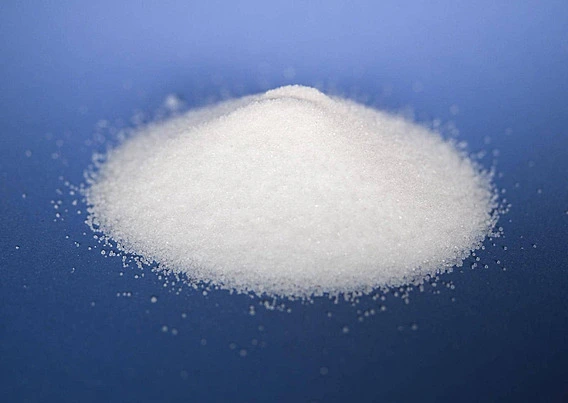
: Fine White Powder |
|
Common Names |
: Modified Corn Starch, Hydroxypropyl Distarch Phosp |
|
Packaging |
: 25 Kg Bag |
For more detailed information including pricing, customization, and shipping:
Modified corn starch undergoes physical, enzymatic, or chemical treatment to enhance stability, freeze-thaw resistance, and process tolerance beyond native starch. In the food industry, it maintains consistent viscosity through heating, shearing, and freezing cycles in ready meals and UHT products, prevents syneresis in dressings and yogurts, and delivers reliable performance in high-stress manufacturing environments. This makes it ideal for extended shelf life and convenience foods requiring texture integrity.
Sauces, ready meals: Holds stable viscosity through multiple freeze-thaw and microwave cycles, preventing watery separation and maintaining glossy thickness from factory to plate.
Dressings, emulsions: Stabilizes oil droplets in mayonnaise and vinaigrettes, ensuring creaminess and uniform suspension of spices even after shaking or refrigeration.
Bakery, fillings: Resists starch retrogradation in frozen pies and danish fillings, keeping them juicy and sliceable without gumminess after thawing.
Dairy, desserts: Prevents serum separation (wheying off) in UHT yogurts, puddings, and flavored milks by forming a protective gel network around proteins.
Snacks, coatings: Creates heat-resistant films in battered fish sticks and extruded snacks, delivering crisp exteriors that stay crunchy without sogginess.
In the paper industry, improves surface strength and printability in sizing; in the adhesives industry, enhances tack and bonding performance; in the textiles industry, provides sizing for yarn protection during weaving.



 English

 Indonesian
 简体字
简体字
 العربية
 Español
 Français
 Português
 日本語
日本語
 한국어
한국어
 Tiếng Việt





















.webp)
---india.webp)