

Methanol CAS: 67-56-1
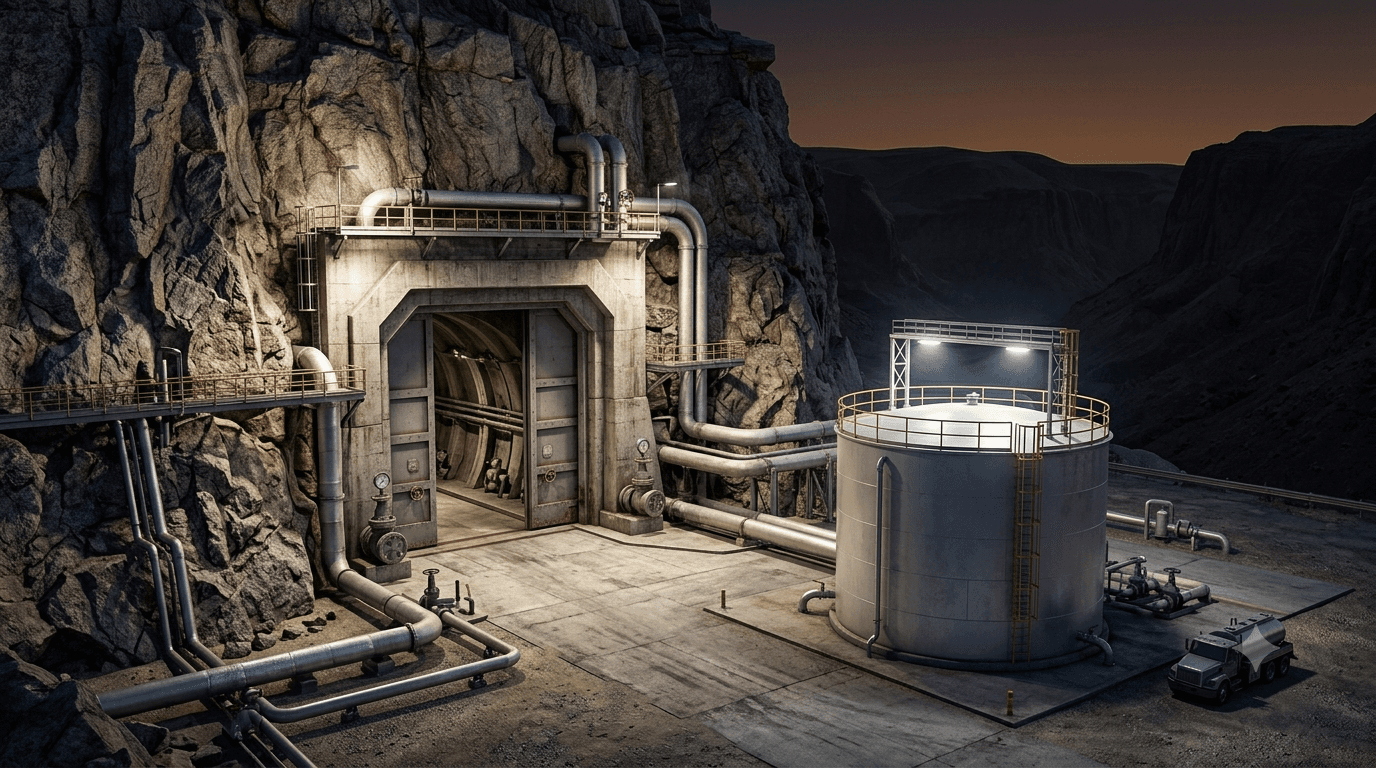
Methanol CAS: 67-56-1
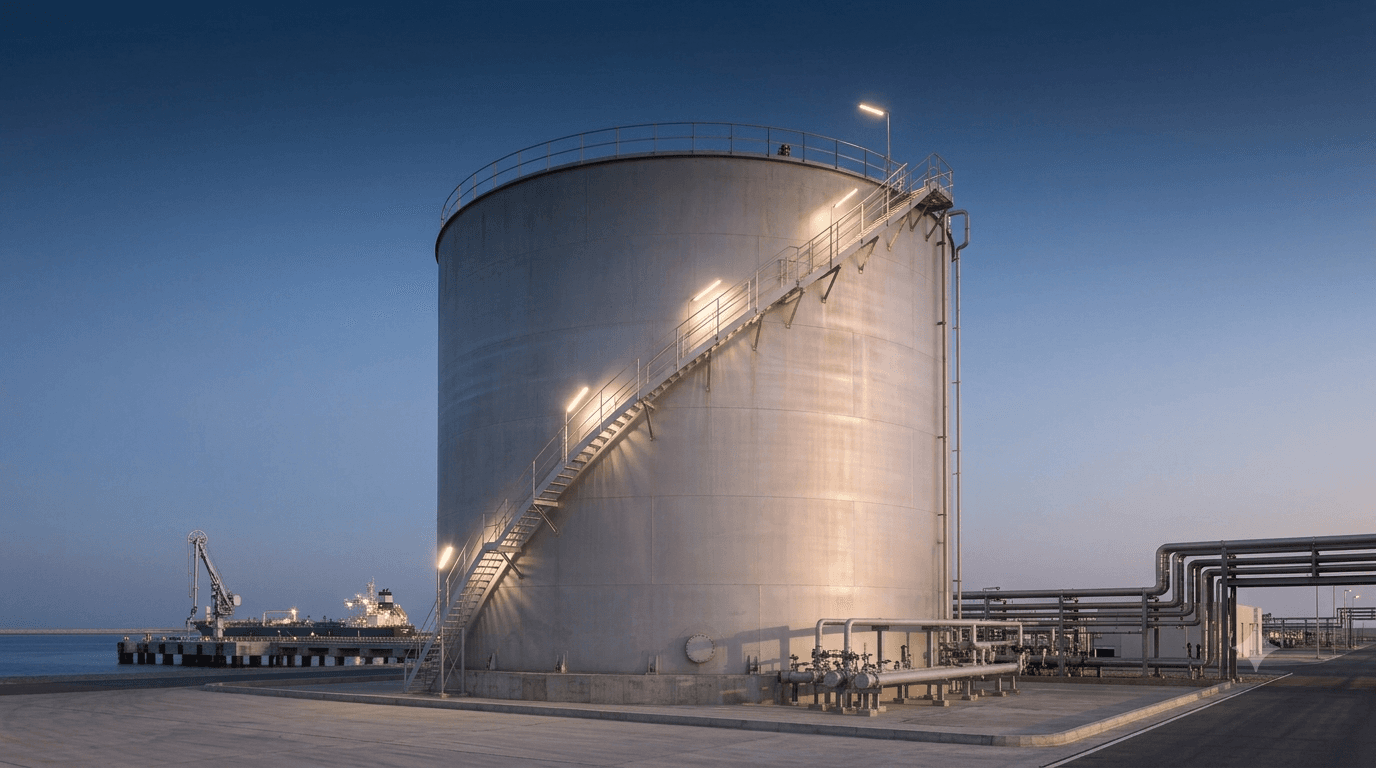
Thailand's emergency fuel export ban highlighted how government intervention can rapidly disrupt downstream chemical supply chains. Procurement teams that rely on Thai petrochemical exports can use this case to strengthen sourcing strategies and reduce exposure to sudden market shocks.
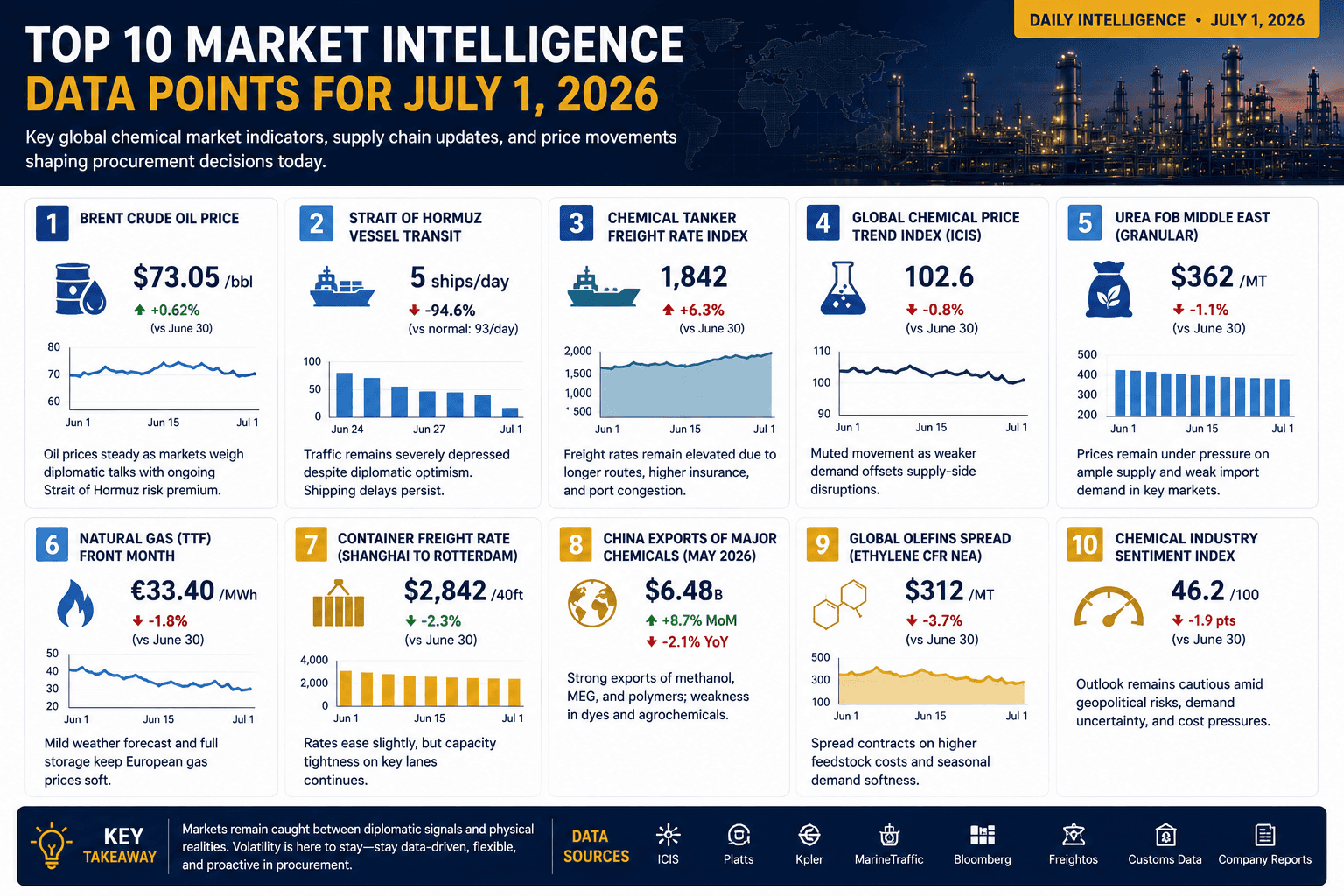
July 1 begins H2 2026 with conflicting market signals for chemical procurement professionals. While oil prices remain stable and diplomacy improves, shipping disruption, insurance risk, new regulations, and supply chain bottlenecks continue shaping one of the most complex operating environments the chemical industry has faced all year.
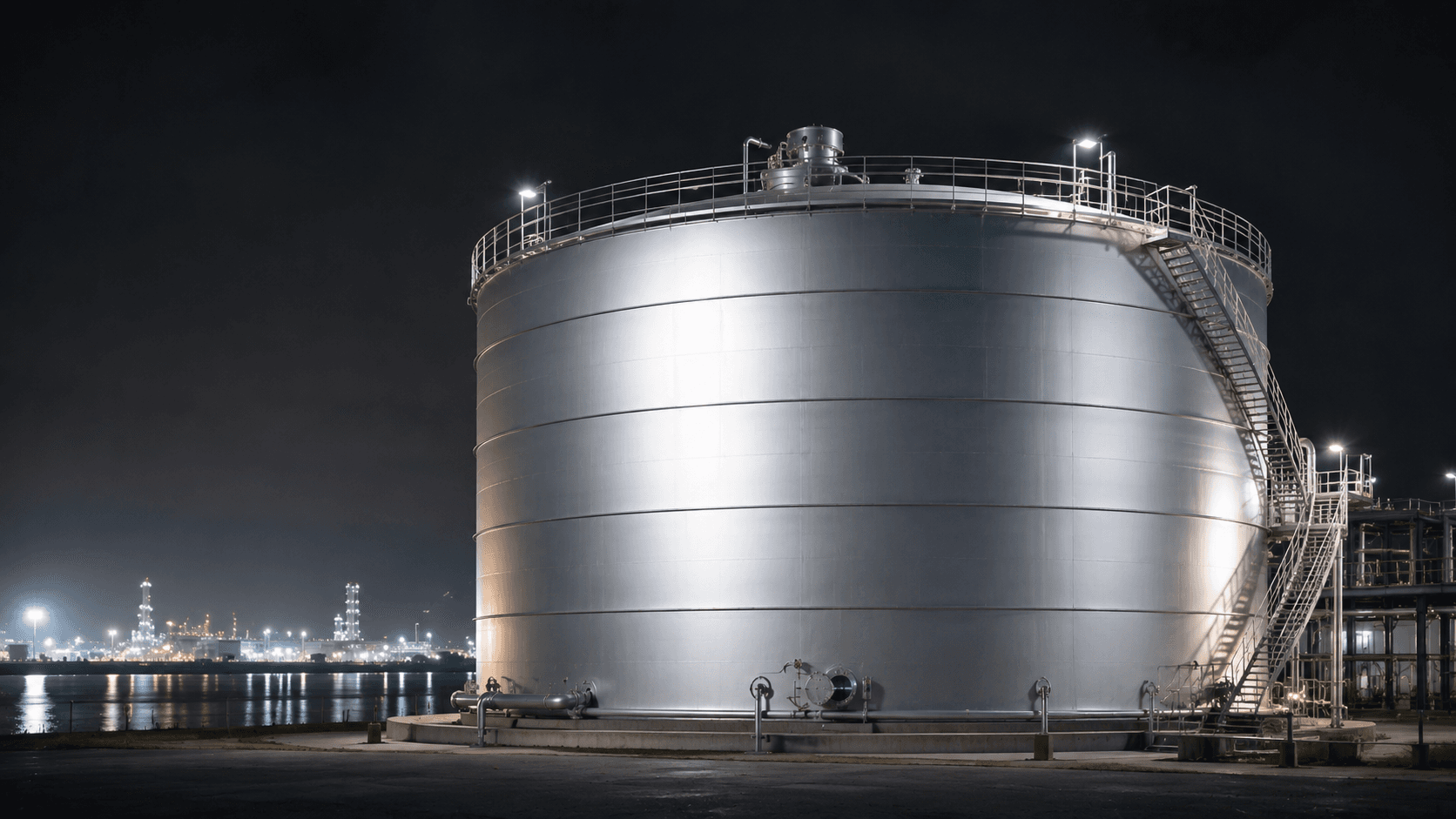
Naphtha markets remain under pressure as Japan relies on strategic reserves and South Korean producers declare force majeure across downstream contracts. Procurement teams across plastics and fibers face difficult sourcing decisions while waiting for post-ceasefire supply normalization.
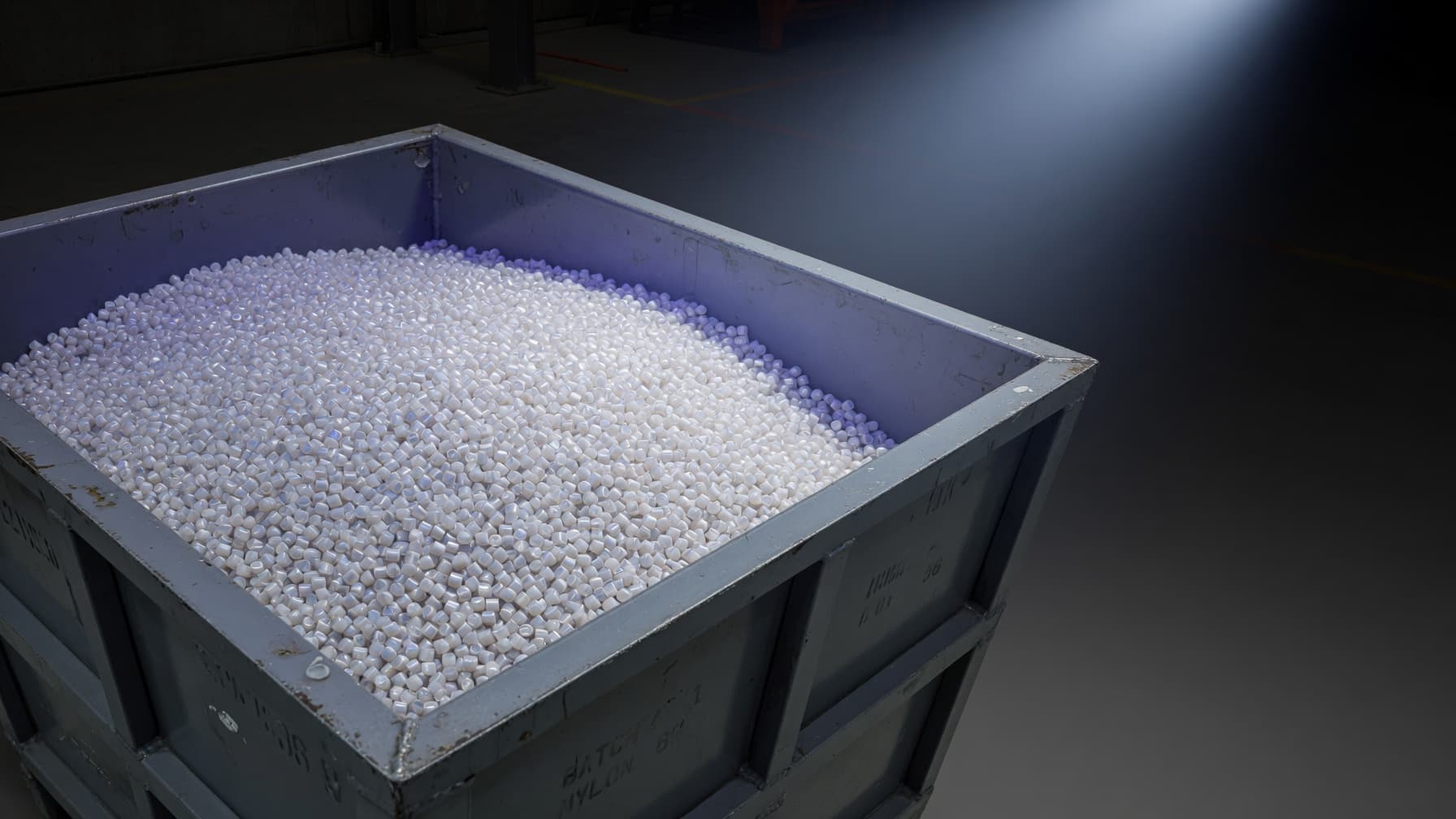
The bankruptcy filing of Ascend Performance Materials marks a major turning point for the Nylon 66 supply chain. Rising Chinese capacity, changing feedstock dynamics and increased global competition are reshaping sourcing strategies for buyers worldwide. Procurement teams should reassess supplier portfolios before market conditions shift again.

Resource nationalism is reshaping chemical raw material supply chains in 2026. From Guinea’s bauxite to Indonesia’s export controls, Zimbabwe’s lithium ban and the DRC’s cobalt policy, procurement teams face new sovereignty risks. This article outlines strategies to navigate the shifting landscape.

Choosing a new chemical supplier involves far more than comparing prices. This practical due diligence checklist helps procurement teams evaluate quality, compliance, supply security and commercial risk before placing an order.
We're committed to your privacy. Tradeasia uses the information you provide to us to contact you about our relevant content, products, and services. For more information, check out our privacy policy.