

Related Insights

Houthi Embargo Declaration: What It Means for Maritime Law and Chemical Trade Compliance
A recently declared embargo has renewed discussion around international maritime law and commercial shipping risk. Chemical procurement and compliance teams should monitor how legal interpretations could influence logistics, sanctions compliance and global trade operations.
Dark Fleet Tactics Complicate Insurance Underwriting Across Gulf Shipping
The rise of covert dark fleet operations is reshaping risk assessment for Gulf shipping. Marine insurers face new challenges in pricing tanker and chemical cargoes amid sanctions and security threats. Learn how regulators and logistics firms adapt.

Geopolitical Intelligence: Shielding Chemical Buyers from Market Volatility
In campanha for chemical procurement, real‑time geopolitical intelligence outpaces traditional weekly updates, protecting margins against volatile energy policies. By tracking policy shifts instantly, buyers secure stable pricing and smarter purchasing decisions. This article explains why legacy reports fail in today’s fast‑moving supply chain.
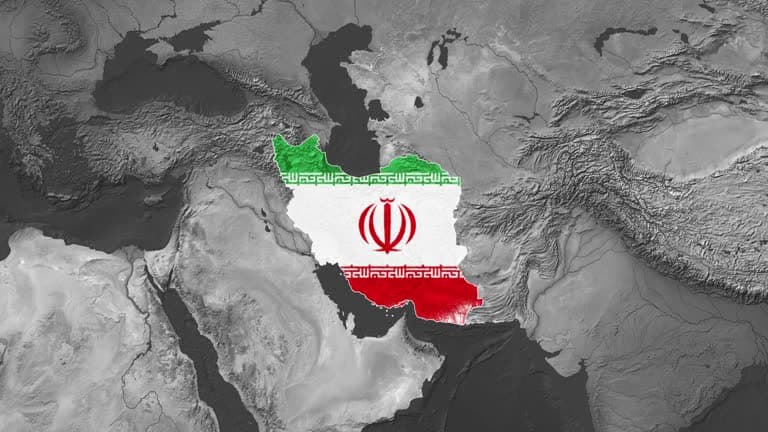
Iran's Hormuz Service Fees: A New Cost Layer for Gulf Chemical Trade
Iran’s proposed Hormuz transit fees could add $500–750 million annually to global chemical trade costs, creating a permanent landed‑cost increase for Gulf‑origin chemicals. This article analyzes the fee structure, its impact on petrochemical freight risk, and strategies for 2026 chemical procurement.
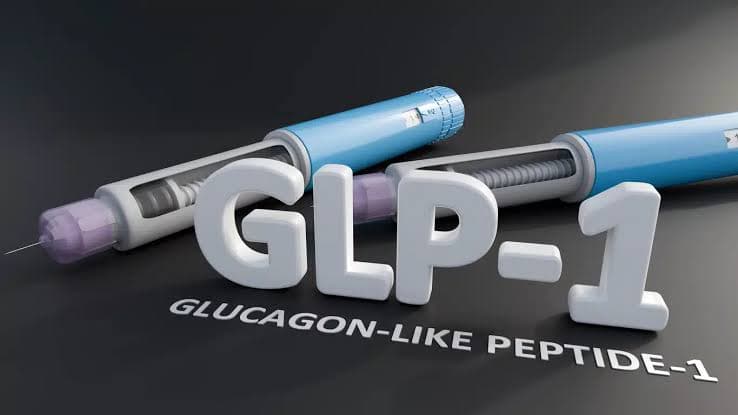
GLP-1 Patent Era Begins in Earnest: What July 2026 Means for the Indian CDMO Race
The global GLP-1 market is entering a new phase as generic drug opportunities accelerate. Indian CDMOs are expanding peptide manufacturing capacity, making July 2026 a critical period for securing key raw materials such as TFA, pharmaceutical-grade DMF, and Fmoc amino acids.

Vanillin: Synthetic vs Bio-Based Price Dynamics as H2 2026 Supply Agreements Open
The vanillin market enters H2 2026 with stable synthetic supply, expanding bio-based production and continued pressure on natural vanilla prices. Procurement teams must balance cost, sustainability, regulatory requirements and product positioning before locking in flavour ingredient contracts.
Don't miss out on our updates! Subscribe to our newsletter now
We're committed to your privacy. Tradeasia uses the information you provide to us to contact you about our relevant content, products, and services. For more information, check out our privacy policy.