
Deoiled Rice Bran

The collapse of the June 17 ceasefire and the resumption of tanker attacks have renewed attention on war-risk insurance pricing for global shipping. Chemical procurement teams should evaluate freight costs, insurance exposure and logistics contingency plans.
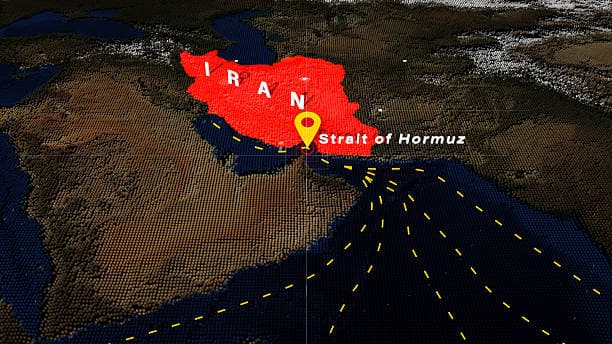
Vessel traffic through the Strait of Hormuz has fallen to single digits, a stark return to the lows seen in 2020. This sharp decline threatens chemical exports, fertilizer logistics, and global shipping schedules. Supply chains must adapt to the new reality of limited tanker movements and heightened uncertainty.

The EPA’s updated PFAS guidance reshapes how farmers use biosolids and fertilizers, influencing crop inputs and the broader food ingredient supply chain. Learn what it means for compliance, sourcing, and consumer safety.
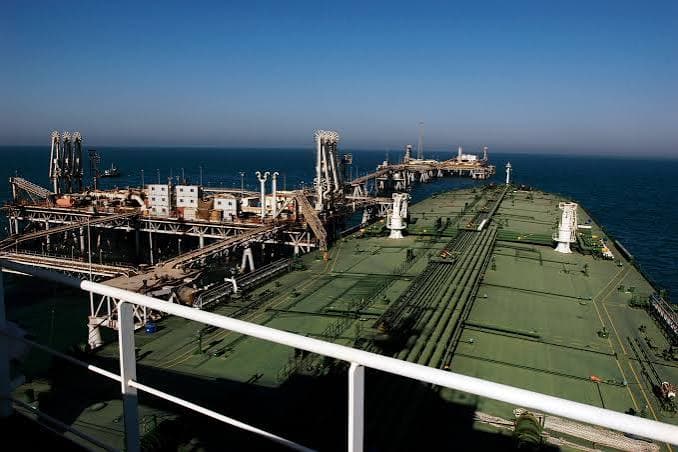
Iran’s proposal to charge “service fees” for Hormuz passage could permanently reshape the economics of global chemical trade. If transit charges become permanent, Gulf-origin chemical supply chains may face $500 million to $1.5 billion in additional annual costs that buyers will ultimately absorb through higher contract pricing.

The gradual restart of Gulf sulfur exports is expected to improve global sulfur availability and ease sulfuric acid market tightness. Fertilizer, mining, and battery manufacturers should prepare for improving supply conditions during Q3 2026.
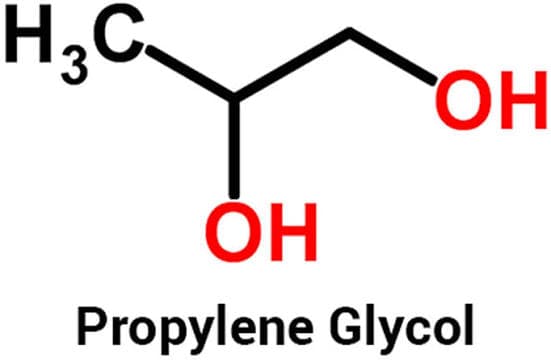
The closure of major propylene oxide capacity has tightened the global supply of USP-grade propylene glycol. Pharmaceutical manufacturers should prioritize supply security and GMP-certified sourcing as Q3 2026 procurement begins.
We're committed to your privacy. Tradeasia uses the information you provide to us to contact you about our relevant content, products, and services. For more information, check out our privacy policy.