
Related Insights

Using the Kiel Institute to Separate Temporary Hormuz Costs from Permanent Chemical Procurement Shifts
After the Hormuz shutdown, chemical buyers face a mix of temporary price spikes and lasting market shifts. This article applies the Kiel Institute framework to isolate recoverable costs from permanent baseline changes, providing a roadmap for data‑driven contract renegotiations. Implementing these insights helps teams win back margins as conditions normalize.
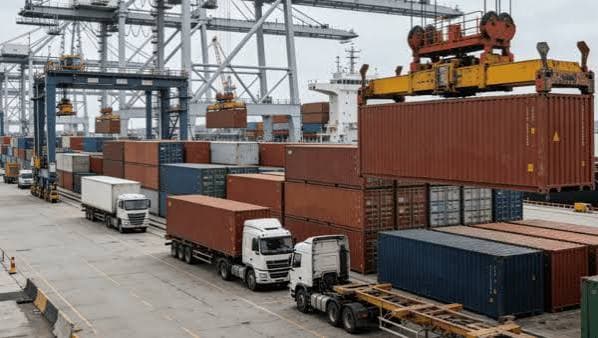
Food Ingredient Logistics: Cape Routing BAF Reset and What July Freight Relief Looks Like
The July 1 bunker adjustment factor reset marks the first measurable freight cost relief for food ingredient buyers since the 2026 shipping crisis began. Procurement teams importing under CIF or CFR terms should use this week’s freight surcharge reduction as leverage to renegotiate H2 supplier pricing.
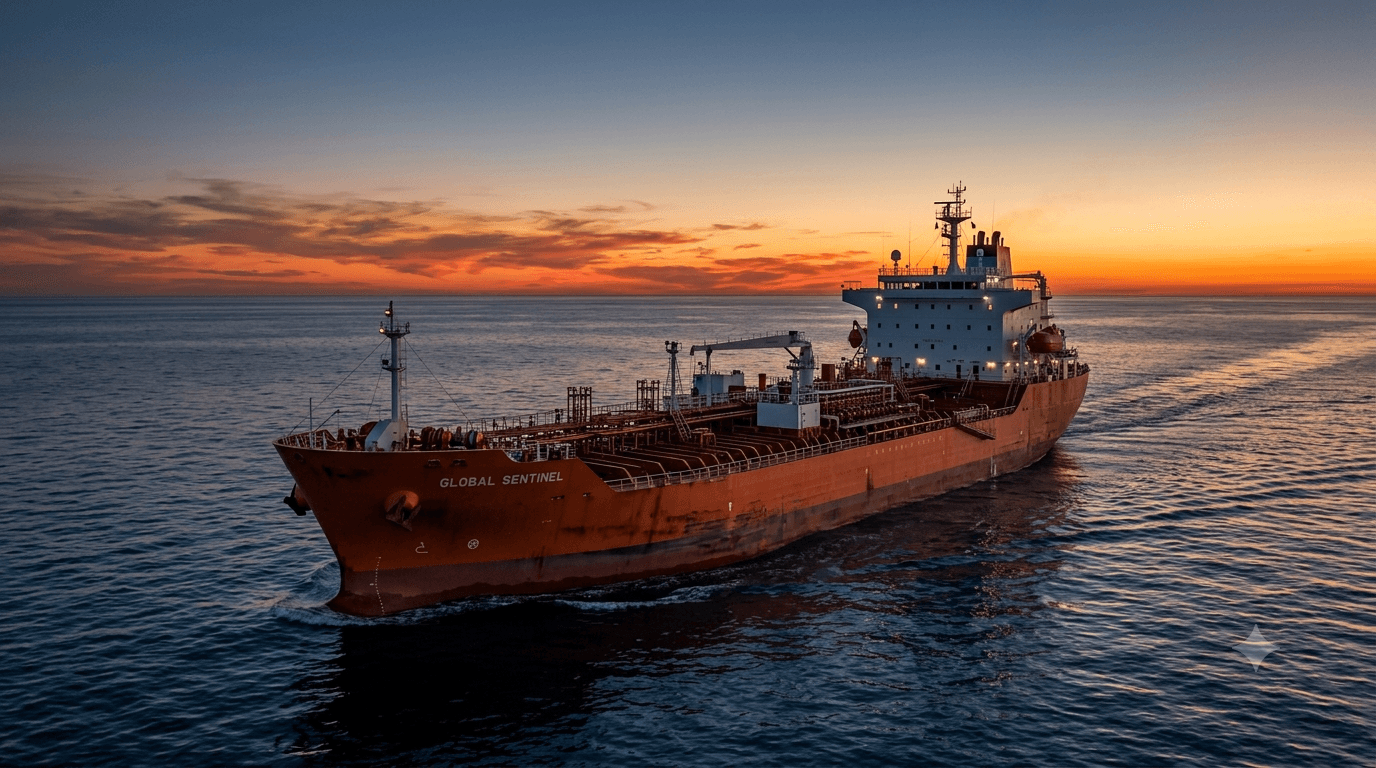
War Risk Insurance for Hormuz Transits: Why Premiums Remain High Despite Supply Recovery in H1 2026
War risk insurance has become one of the biggest cost drivers for Gulf chemical shipments in H1 2026. This review explains why premiums remain elevated even as physical exports recover and what procurement teams should expect during H2 2026.

Hospital Pharmacy Procurement: H1 Closing Review and H2 Restocking Priorities
Hospital pharmacies are entering H2 2026 with improving supply conditions after months of inventory pressure. Q3 is expected to become the largest pharmaceutical chemical restocking period since before the Hormuz crisis.

Top 10 Commercial Beneficiaries of the 2026 Hormuz Crisis: Final H1 Ranking
The 2026 Hormuz crisis disrupted global chemical trade, but created major commercial winners. From OCP Morocco and Nutrien to Wanhua Chemical and US exporters, H1 2026 proved that supply chain disruption often shifts value rather than destroying it.
US NGL Export Capacity Build-Out: Enterprise Phase 2 Terminal Adds 180,000 Bbl/Day Ethane
Major NGL export terminal expansions along the US Gulf Coast are reshaping global ethane and propane trade flows. Chemical traders should prepare for continued logistics pressure as new export capacity comes online through late 2026.
Don't miss out on our updates! Subscribe to our newsletter now
We're committed to your privacy. Tradeasia uses the information you provide to us to contact you about our relevant content, products, and services. For more information, check out our privacy policy.