
Potash: Belarus and Russian Supply Cushion Market; MOP Prices Expected to Ease in 2027
Introduction
While nitrogen and phosphate fertilizers experienced extreme volatility during the 2026 Hormuz crisis, the global potash market has remained comparatively resilient. Prices have increased, but the magnitude of the rally has been far smaller than that seen in urea, ammonia, and DAP markets.
A key reason is the continued availability of supply from Belarus and Russia, two of the world's most important potash-producing regions. Their ability to redirect exports and maintain market participation has helped prevent a severe global shortage.
For buyers planning Q3 fertilizer applications, the potash market currently presents a different challenge than nitrogen or phosphate: prices remain elevated, but medium-term fundamentals point toward improved supply and softer pricing in 2027.

What Is Potash?
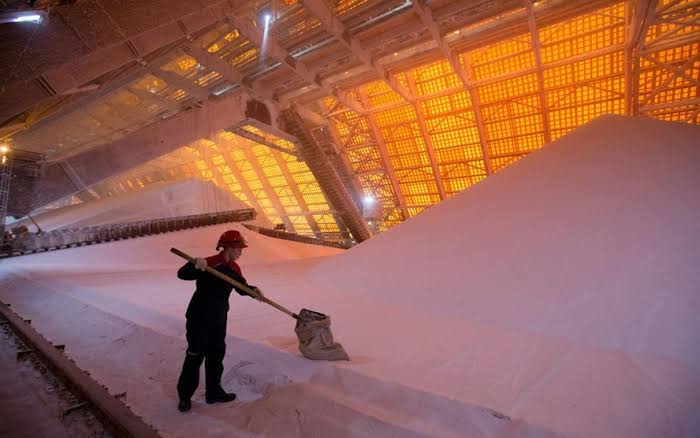
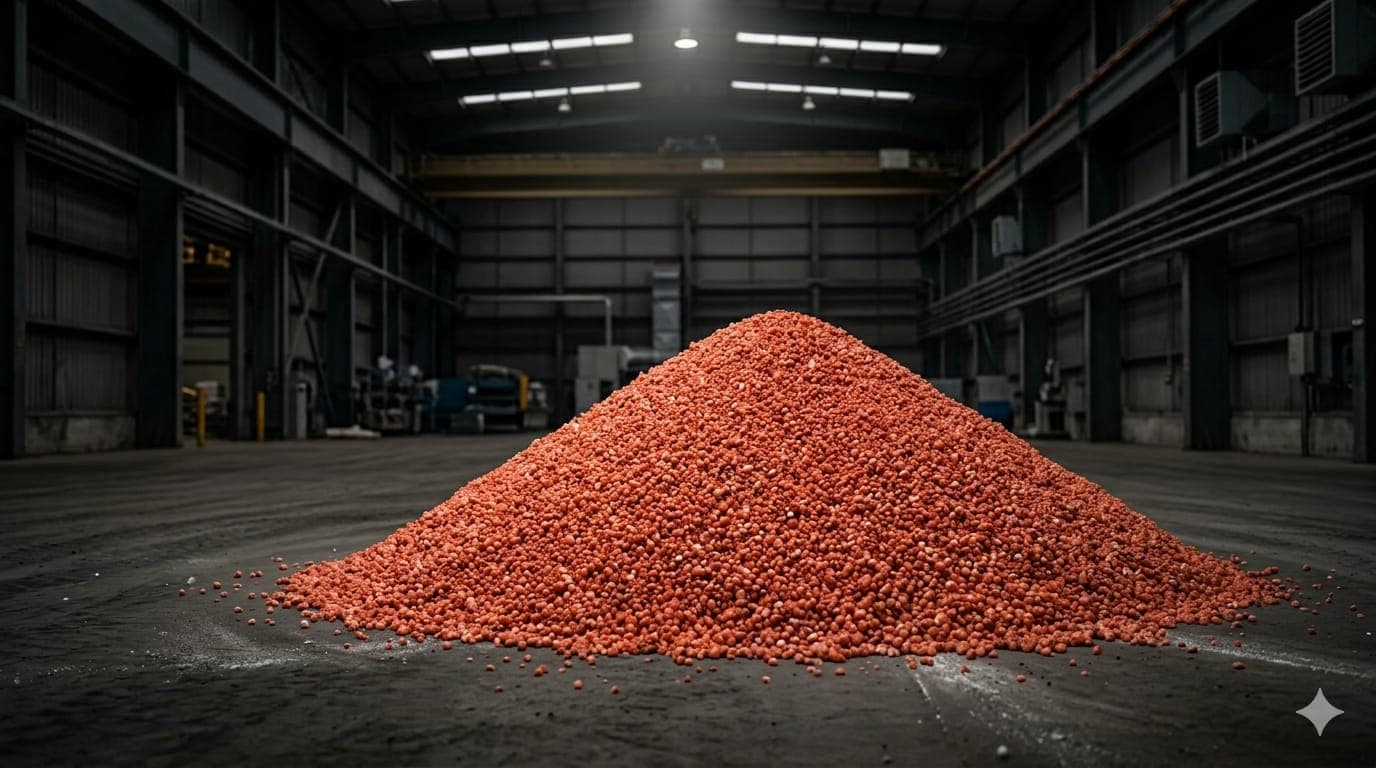
Potash refers to potassium-containing fertilizers used to improve crop growth and productivity.
Most common form:
Muriate of Potash (MOP)
Chemical form:
Potassium Chloride (KCl)
Typical grade:
0-0-60
This indicates:
0% Nitrogen
0% Phosphate
60% Potash (K₂O equivalent)
Why Potassium Matters
Potassium is one of the three primary crop nutrients alongside nitrogen and phosphorus.
Benefits include:
Improved drought tolerance
Stronger root systems
Better disease resistance
Higher crop quality
Improved water-use efficiency
Major users include:
Corn
Soybeans
Wheat
Rice
Oilseeds
Fruits and vegetables
Potassium Chloride CAS: 7447-40-7
Why Potash Was More Stable Than Other Fertilizers
The 2026 fertilizer crisis affected nutrient categories differently.
Nitrogen fertilizers:
Highly exposed to natural gas prices
Directly impacted by ammonia disruptions
Experienced extreme volatility
Phosphates:
Influenced by sulfur supply shortages
Affected by maintenance and logistics constraints
Potash:
Less dependent on energy-intensive processing
Supported by diversified export flows
Benefited from strong producer supply discipline
As a result, potash avoided the dramatic price spikes seen elsewhere.

Belarus and Russia: The Market Stabilizers
Two countries continue to play a critical role in global potash availability.
Belarus
Recent easing of certain sanctions has improved export opportunities and supported greater market participation.
Russia
Russian producers have successfully redirected exports away from traditional European destinations toward:
Asia
Latin America
North America
This has helped maintain global supply availability.
Current Price Environment
US Potash Benchmark
Red 0-0-60 MOP
Current market range:
Approximately $565–725/tonne
Market observations:
Elevated versus historical averages
Significantly below the crisis extremes seen in nitrogen fertilizers
Supported by steady agricultural demand
World Bank Outlook
The World Bank expects potash markets to remain relatively balanced.
Forecast:
2026
MOP prices expected to rise approximately 12%
2027
MOP prices expected to decline approximately 6%
Key reason:
Improved global supply availability from major exporters.
Why Prices Could Ease in 2027
Several factors support a softer medium-term outlook.
1. Increased Belarusian exports
Higher export volumes improve global availability.
2. Continued Russian supply
Trade flow adjustments are becoming more efficient.
3. Supply chain normalization
Lower logistics uncertainty reduces costs.
4. Better inventory rebuilding
Importing countries are gradually restoring stocks.
The Q3 Procurement Question
For buyers, the most important issue is timing.
Argument for Buying Now
Benefits:
Secure supply before seasonal demand increases
Reduce exposure to freight volatility
Lock in known pricing
Particularly relevant for:
Distributors
Agricultural cooperatives
Large commercial farms
Argument for Waiting
Benefits:
Potential access to lower prices in 2027
Improved supply conditions
Risks:
Seasonal demand increases
Regional logistics disruptions
Temporary price spikes
Seasonal Demand Risk
The market remains vulnerable to cyclical demand increases.
Key periods:
Southern Hemisphere planting preparation
Major importing regions include:
Brazil
Argentina
Australia
Potential impact:
Increased import tenders
Stronger spot demand
Short-term price support
Strategic Considerations for Buyers
For Q3 application requirements:
Current pricing is elevated but relatively manageable compared with other fertilizer categories.
Recommended considerations:
Secure near-term physical requirements
Maintain flexibility for future purchases
Monitor export volumes from Belarus and Russia
Track seasonal demand developments
A balanced procurement strategy may offer the best protection against market volatility.
Market Outlook
The global potash market remains one of the most stable segments of the fertilizer industry in 2026. While prices are above long-term averages, strong supply from Belarus and Russia has prevented the severe shortages experienced in nitrogen and phosphate markets.
Looking ahead, improved global availability and supply chain normalization support expectations for softer pricing in 2027. However, seasonal demand cycles still pose short-term risks, making Q3 procurement decisions particularly important for buyers with immediate application requirements.
Key Takeaways
Potash markets have been more stable than nitrogen and phosphate fertilizers.
MOP prices rose approximately 17% year-on-year in Q1 2026.
US Red 0-0-60 prices remain in the $565–725/tonne range.
Belarus and Russia are supporting global supply.
Belarusian exports have improved following sanctions easing.
Russian exports have been successfully redirected to Asia and the Americas.
World Bank expects MOP prices to rise about 12% in 2026.
Prices are forecast to ease approximately 6% in 2027.
Buyers with Q3 needs may benefit from securing August delivery volumes before seasonal demand increases.