
Background: The POSM Plant and Its Role in Europe’s Supply Chain
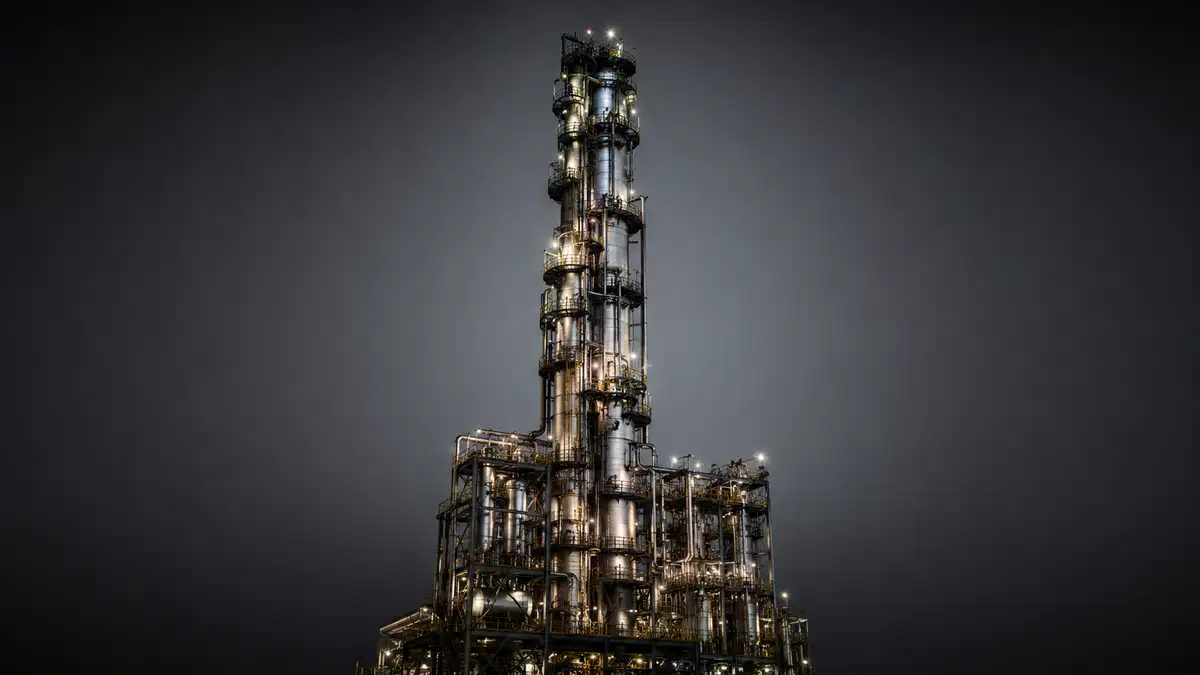
In 2002, LyondellBasell and Covestro joint‑ventured to build a 12‑million‑tonne‑per‑year poly‑styrene‑oxide‑based styrene monomer (POSM) facility in Rotterdam. The plant used a traditional, thermal oxidation route to convert propylene into propylene oxide (PO), then epoxidized to produce styrene monomer (SM) and phenol. The unit was a critical source of PO for the European chemical market, supplying roughly 5–6 % of the continent’s total PO output and 15–20 % of SM.
Why the Closure Happened
The decision to shut the plant permanently stems from a combination of economic and environmental pressures. The cost of operating a mid‑size PO plant in a region with high energy and carbon costs has risen sharply. Meanwhile, newer PO production technologies—such as autoxidation and epoxidation on a larger scale—have become more cost‑effective. Finally, the Dutch government’s aggressive climate targets have tightened the regulatory environment for high‑emission processes, making it difficult for the POSM plant to remain compliant without expensive retrofits.
Key Factors Driving the Decision
- Energy Price Volatility: Natural gas and electricity costs in the Netherlands spiked by up to 30 % over the past five years.
- Regulatory Landscape: Upcoming EU emissions trading system (ETS) reforms will increase the carbon cost for large industrial processes.
- Competitive Landscape: Newer, larger units in Asia and the United States are operating at lower CAPEX and OPEX, eroding the Rotterdam plant’s market share.
- Capital Allocation: LyondellBasell and Covestro are redirecting investment toward lower‑carbon PO routes and greener downstream products.
Impact on Propylene Oxide Supply
The immediate effect is a 5‑6 % reduction in Europe’s PO supply. While this may seem modest, it has outsized consequences for specific sectors:
- Polymer Production: PO is a key raw material for polyether polyols used in polyurethane foams. A supply shortfall can push polymer prices higher.
- Chemical Feedstocks: PO is also a precursor for many fine chemicals, such as glycols and surfactants. Industries dependent on these intermediates may face bottlenecks.
- SM Demand: With SM production tied to the POSM unit, the closure reduces SM output by roughly 300,000 tonnes per year, tightening availability for plastics manufacturers.
- Strategic Reserves: Some European chemical plants maintain strategic PO inventories. The shutdown may compel them to increase stockpiles, tying up working capital.
Buyer Strategies in a Tightened Market
For buyers—whether they are polymer manufacturers, fine chemical producers, or end‑use consumers—there are several actionable strategies to mitigate the impact.
1. Diversify Supply Sources
Relying on a single region for PO can be risky. Buyers should evaluate alternative suppliers from:
- Eastern Europe—smaller PO plants powered by renewable gas.
- Germany and the UK—newer, low‑carbon PO facilities using autoxidation.
- Asia—volumes are high, but logistics costs and customs can add complexity.
2. Negotiate Long‑Term Contracts
Locking in prices and quantities through multi‑year agreements can provide price stability. Consider clauses that allow for volume adjustments in response to market fluctuations.
3. Invest in In‑House Capabilities
For large volume users, the economics of building a small PO unit or partnering with a co‑location facility may be attractive, especially if coupled with renewable energy sources.
4. Explore Alternative Raw Materials
Some downstream processes can switch from PO to methanol‑based epoxidation routes or use alternative monomers that reduce PO dependency.
Regulatory and Sustainability Considerations
The closure highlights the growing importance of sustainability in the chemical sector. Buyers should monitor:
- EU ETS allowances and potential carbon pricing hikes.
- National incentives for low‑carbon production.
- Emerging circular economy initiatives that favor PO recycling and closed‑loop processes.
Looking Ahead: Market Forecasts
Industry analysts predict a gradual rebound in PO supply as newer, low‑carbon plants come online in 2027‑2028. However, the transition period will likely see price volatility and supply constraints, especially in the EU. Buyers who proactively adapt their sourcing and production strategies will be better positioned to navigate this shift.
In summary, the closure of the LyondellBasell‑Covestro POSM unit removes a vital PO and SM source from Europe, forcing buyers to rethink supply chains, explore alternative routes, and focus on sustainability to maintain resilience in a tightening market.