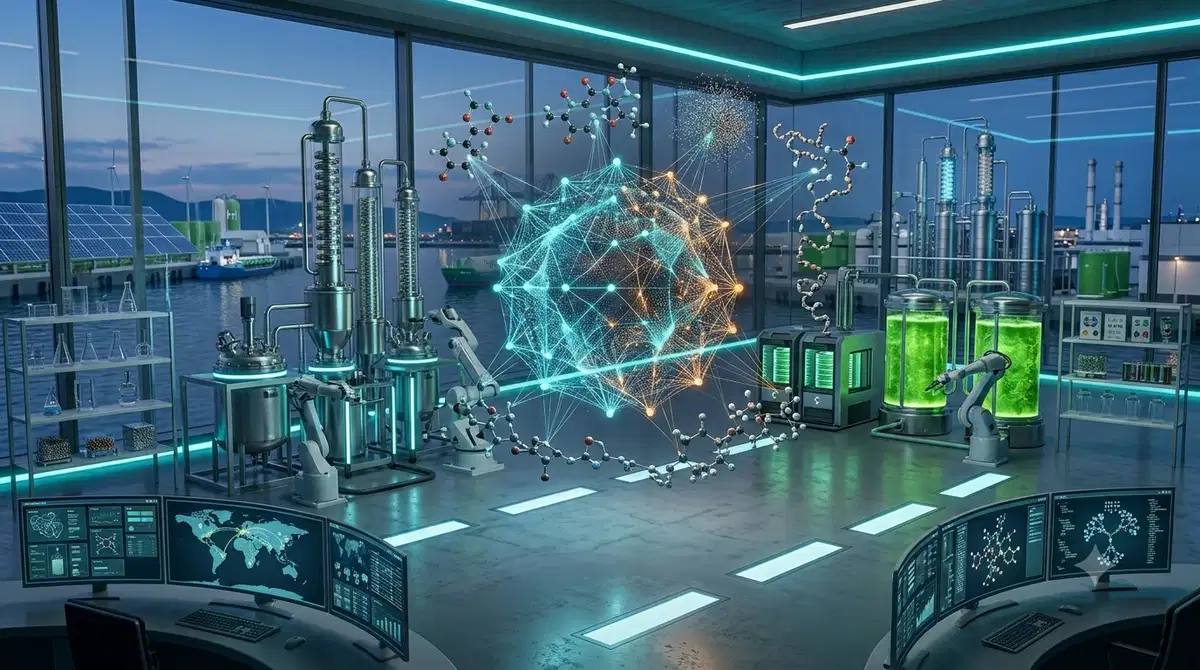
AI-Powered Molecular Discovery
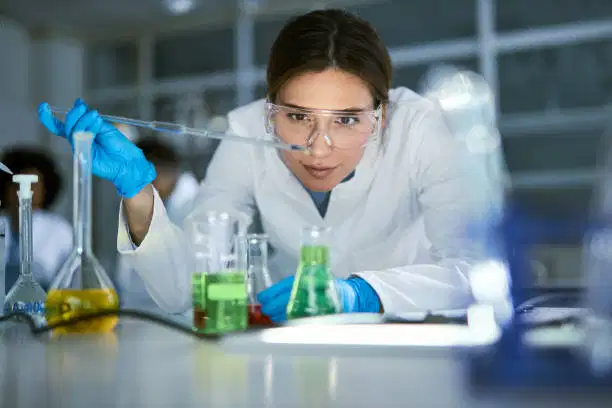
In the era of data-driven science, AI chemical research has become a cornerstone of modern R&D. Machine learning models trained on millions of chemical reactions can predict reactivity, solubility, and toxicity with unprecedented accuracy. This predictive power shortens the traditional trial-and-error cycle, allowing chemists to focus on the most promising candidates.
Accelerating Catalyst Discovery
Traditional catalyst screening often requires thousands of experiments. AI can reduce this effort by identifying optimal ligand–metal combinations through high-dimensional space exploration. For instance, a recent study using graph neural networks identified a platinum catalyst that improves hydrogenation efficiency by 30% while using less precious metal.
Enhancing Polymer Innovation
Polymers are central to specialty chemicals, but designing new materials with targeted properties is challenging. AI algorithms can generate novel monomer sequences that yield polymers with desired mechanical strength, biodegradability, or thermal stability. Companies are now using generative models to create bio-based polymers that outperform conventional plastics.
Green Chemistry Meets Machine Learning
The integration of green chemistry AI principles ensures that new discoveries are not only efficient but also environmentally responsible. By embedding sustainability metrics into the objective functions, AI models prioritize designs that reduce hazardous waste, lower energy consumption, and favor renewable feedstocks.
Reducing Solvent Use
Solvent selection is a major contributor to chemical waste. AI can predict solvent-free reaction conditions by evaluating solvent properties and reaction thermodynamics, leading to greener processes. In a recent pilot, an AI-driven workflow eliminated the need for toxic solvents in a key polymerization step, cutting waste by 70%.
Optimizing Reaction Conditions
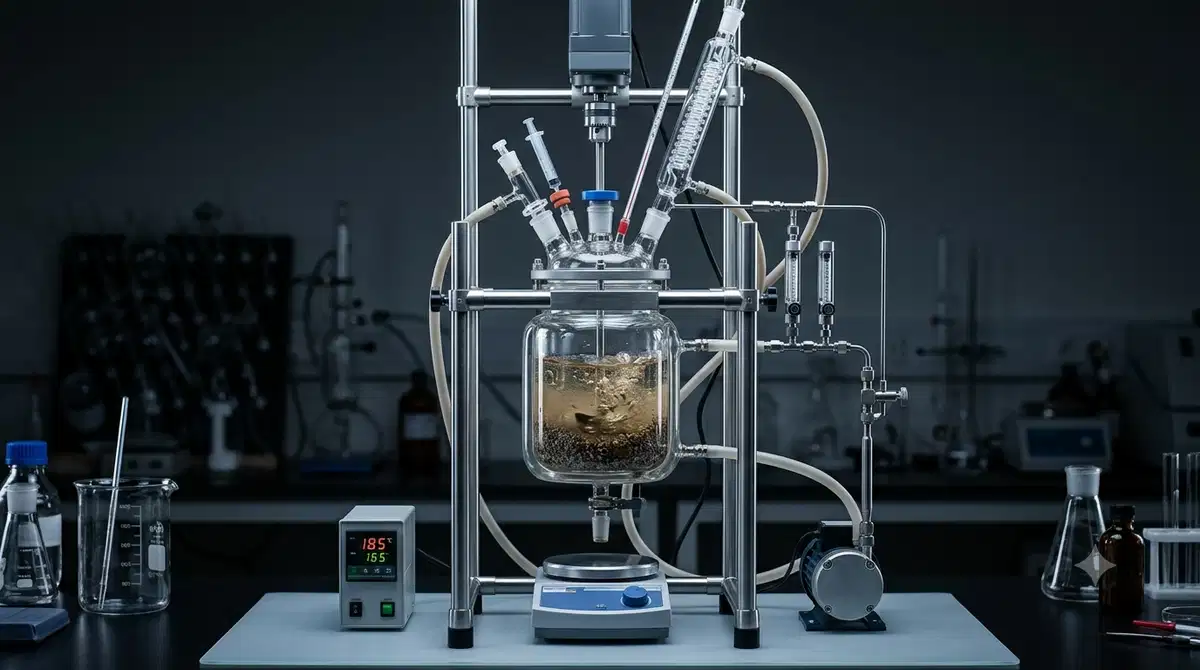
Temperature, pressure, and catalyst loading heavily influence both yield and environmental impact. Machine learning models can map the multi-parameter reaction landscape, recommending conditions that maximize output while minimizing energy use. This leads to significant cost savings and lower carbon footprints.
Economic Benefits for Specialty Chemicals
Adopting AI in chemical R&D translates into tangible financial advantages. Faster discovery cycles mean lower development costs and quicker time-to-market. Moreover, AI-driven process optimization reduces raw material consumption and energy usage, directly impacting the bottom line.
- Up to 50% reduction in experimental trials
- Average cost savings of 20–30% per project
- Accelerated regulatory approval due to robust data sets
Implementation Strategies for Industry
Transitioning to AI-enhanced R&D requires a strategic approach. Below is a step-by-step roadmap:
- Build a high-quality data foundation: curate reaction data, spectra, and process metrics.
- Invest in talent: hire data scientists with chemistry expertise or partner with academia.
- Choose scalable platforms: cloud-based AI services can handle large chemical datasets.
- Start with pilot projects: focus on high-impact areas like catalyst or polymer development.
- Integrate AI outputs into existing workflows: ensure seamless handoff between computational predictions and laboratory execution.
Future Outlook
The convergence of AI and green chemistry heralds a new paradigm for chemical R&D. As models become more sophisticated and data availability grows, we can expect even more radical breakthroughs:
- Real-time reaction monitoring with AI-driven feedback loops.
- Automated design of sustainable manufacturing processes.
- Predictive toxicology models that eliminate animal testing.
By embracing these technologies, the specialty chemicals sector can deliver safer, more sustainable products while maintaining competitive advantage.