
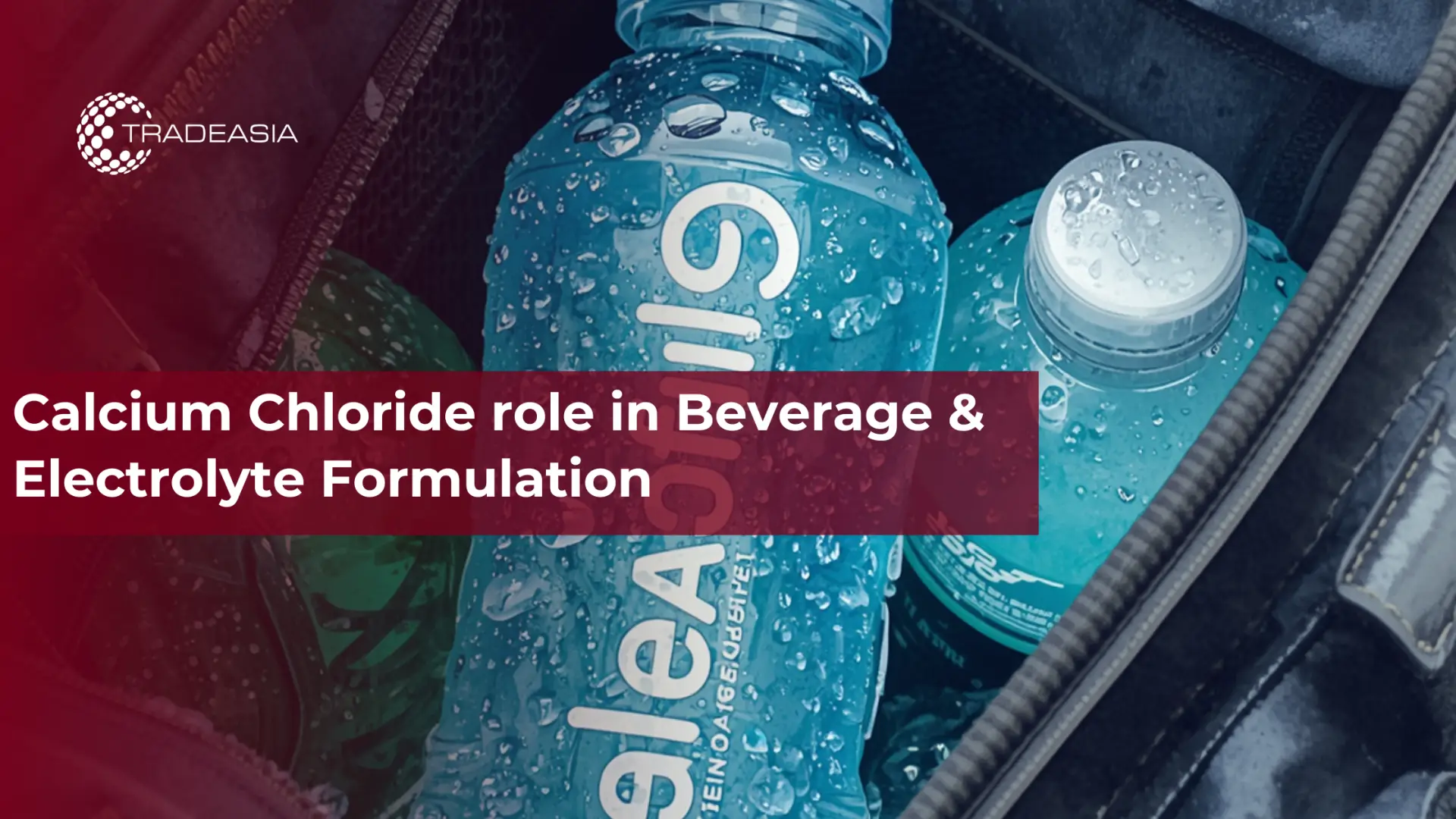
Enhancing Mineral Content and Functional Performance in Drinks
Introduction: The Rise of Functional Hydration and Mineral-Enriched Beverages
The global beverage industry is undergoing a structural transformation driven by changing consumer preferences, health awareness, and the growing demand for functional products. Traditional beverages are increasingly being replaced or reformulated into products that deliver not only refreshment but also measurable physiological benefits. Within this evolving landscape, functional hydration and electrolyte-enhanced beverages have emerged as one of the fastest-growing segments, encompassing sports drinks, fortified waters, ready-to-drink (RTD) health beverages, and specialized formulations targeting recovery, endurance, and wellness.
A key component underpinning this transformation is the strategic use of mineral ingredients to enhance the nutritional and functional profile of beverages. Among these, calcium plays a dual role as both an essential nutrient and a functional additive. While calcium fortification has long been associated with dairy products, its incorporation into beverage systems presents unique formulation challenges and opportunities. This is where Calcium Chloride has gained increasing relevance.
Calcium chloride is widely used in the food and beverage industry as a source of bioavailable calcium, as well as for its functional properties in solution. Its high solubility, strong ionic dissociation, and ability to influence osmotic balance make it particularly suitable for electrolyte formulations. Unlike less soluble calcium salts, calcium chloride can be easily incorporated into liquid systems, enabling consistent mineral delivery without significant precipitation issues.
As beverage manufacturers respond to rising demand for electrolyte balance, mineral fortification, and performance-oriented products, calcium chloride is becoming an increasingly strategic ingredient. However, its use requires careful consideration of formulation dynamics, sensory impact, regulatory compliance, and target consumer needs. This article provides a comprehensive analysis of the role of calcium chloride in beverage fortification and electrolyte formulation, examining its functional benefits, application across different beverage categories, and implications for buyers and manufacturers.
Functional Properties of Calcium Chloride in Beverage Systems
Understanding the role of calcium chloride in beverages begins with its fundamental chemical and physical properties. As a highly soluble inorganic salt, calcium chloride dissociates readily in water into calcium ions (Ca²+) and chloride ions (Cl). This ionic behavior is central to its functionality in beverage formulations.
One of the most important characteristics of calcium chloride is its high solubility compared to other calcium salts such as calcium carbonate or calcium sulfate. This allows it to be incorporated into beverages without forming visible particulates or sediments, which is critical for maintaining product clarity and stability, particularly in bottled water and clear functional drinks.
In addition to solubility, calcium chloride contributes to the ionic strength of a solution, influencing osmotic balance and hydration efficiency. Electrolytes are essential for maintaining fluid balance in the human body, particularly during physical activity or dehydration. Calcium, while not always the primary electrolyte in sports drinks compared to sodium or potassium, plays a supporting role in muscle function, nerve signaling, and cellular processes.
Another functional aspect is its interaction with other ingredients in beverage systems. Calcium ions can influence protein stability, pH balance, and overall formulation behavior. In certain applications, this can be advantageous, while in others it requires careful formulation control to prevent undesirable interactions such as precipitation or flavor changes.
These properties make calcium chloride a versatile ingredient, capable of serving both nutritional and functional roles in a wide range of beverage applications.
Electrolyte Formulation: Supporting Hydration and Performance
Electrolyte beverages are designed to replenish minerals lost through sweat and support hydration, particularly in physically active or high-temperature environments. The formulation of these beverages typically includes a combination of electrolytes such as sodium, potassium, magnesium, and calcium, each contributing to specific physiological functions.
Calcium chloride is used in this context as a source of calcium ions, which play a role in muscle contraction, nerve transmission, and enzymatic activity. While sodium and potassium are primarily responsible for fluid balance and rehydration, calcium contributes to the overall electrolyte profile, enhancing the functional positioning of the product.
In sports drinks, the inclusion of calcium is often aimed at supporting muscle function and reducing the risk of cramps during prolonged physical activity. In addition, calcium fortification can enhance the perceived nutritional value of the product, aligning with consumer demand for more comprehensive health benefits.
The challenge in electrolyte formulation lies in balancing functionality with sensory acceptability. Calcium chloride has a slightly bitter or salty taste, which can affect the overall flavor profile of the beverage. As a result, manufacturers must carefully control dosage levels and often combine it with flavor masking agents or complementary ingredients to maintain consumer appeal.
Despite these challenges, the use of calcium chloride in electrolyte beverages continues to grow, driven by the expansion of the sports nutrition market and the increasing demand for performance-oriented hydration solutions.
Beverage Fortification: Delivering Nutritional Value Through Liquid Formats
Beyond electrolyte drinks, calcium chloride plays a significant role in beverage fortification, particularly in products aimed at delivering added nutritional benefits. Calcium is an essential nutrient associated with bone health, cardiovascular function, and metabolic processes, making it a key target for fortification strategies.
In beverage systems, fortification with calcium presents unique challenges compared to solid foods. Issues such as solubility, bioavailability, and interaction with other ingredients must be carefully managed to ensure product stability and efficacy. Calcium chloride addresses many of these challenges due to its high solubility and relatively high bioavailability.
Functional beverages, including RTD health drinks and fortified waters, increasingly incorporate calcium chloride to enhance their nutritional profile. This is particularly relevant in markets where consumers seek convenient ways to meet their daily nutrient requirements without relying solely on traditional food sources.
However, the use of calcium chloride in fortification must also consider regulatory and labeling requirements. In many markets, the inclusion of calcium must meet specific criteria to allow health claims, and the source of calcium must be clearly declared. Manufacturers must ensure compliance with these regulations while maintaining product quality and consistency.
Application in Bottled Water and Mineral Water Enhancement
One of the most prominent applications of calcium chloride in beverages is in bottled water, particularly in the production of mineral-enhanced or functional waters. As consumers increasingly shift toward healthier beverage options, bottled water has evolved from a basic hydration product into a platform for delivering added functionality.
Calcium chloride is used to adjust the mineral content of water, improving both its nutritional value and taste profile. The presence of calcium can enhance the perceived “body” of water, contributing to a more satisfying drinking experience. In addition, mineralization can differentiate products in a highly competitive market, allowing brands to position themselves as premium or health-oriented options.
In this application, the precise control of mineral composition is critical. Excessive levels of calcium chloride can lead to undesirable taste characteristics, while insufficient levels may not deliver the intended functional benefits. As a result, formulation requires careful calibration to achieve the desired balance between functionality and sensory quality.
Buyers and Market Demand: Who Uses Calcium Chloride in Beverages
The demand for calcium chloride in beverage applications is driven by several key buyer segments, each with distinct requirements and priorities.
Sports drink manufacturers represent one of the primary user groups, focusing on electrolyte balance and performance enhancement. These companies prioritize functional efficacy, ensuring that their formulations support hydration and physical activity while maintaining appealing taste profiles.
Functional beverage brands, including producers of health drinks and fortified beverages, use calcium chloride to enhance nutritional value and differentiate their products. For these buyers, the focus is on delivering measurable health benefits while aligning with consumer trends such as wellness and preventive nutrition.
Bottled water companies also represent a significant segment, particularly those producing mineral or enhanced waters. These buyers emphasize consistency, clarity, and taste, requiring high-purity calcium chloride that meets strict quality standards.
Across these segments, purchasing decisions are influenced by factors such as product quality, regulatory compliance, cost efficiency, and supply reliability. Suppliers must therefore provide not only the raw material but also technical support and documentation to meet the specific needs of beverage manufacturers.
Formulation Challenges and Sensory Considerations
Despite its advantages, the use of calcium chloride in beverages presents several formulation challenges. One of the most significant is its impact on taste. The compound can impart a bitter or slightly metallic flavor, particularly at higher concentrations, which can affect consumer acceptance.
To address this, manufacturers often employ flavor masking strategies, including the use of sweeteners, acids, and flavor compounds. The goal is to balance the functional benefits of calcium chloride with a pleasant sensory experience, ensuring that the final product meets consumer expectations.
Another challenge is interaction with other ingredients, particularly in complex formulations. Calcium ions can react with certain compounds, leading to precipitation or changes in texture. This requires careful formulation design and testing to ensure product stability over its shelf life.
Regulatory and Labeling Considerations
The use of calcium chloride in beverages is regulated in most markets as a food additive or nutrient source. It is commonly recognized as safe for use in food applications, but specific regulations may vary by region.
Manufacturers must ensure that their use of calcium chloride complies with local food safety standards, including limits on usage levels and labeling requirements. In addition, claims related to calcium content must meet regulatory criteria, which may include minimum levels and specific wording.
Compliance with these regulations is essential not only for legal reasons but also for maintaining consumer trust and brand integrity.
Supply Chain and Strategic Implications
The growing demand for functional beverages has significant implications for the supply chain of calcium chloride. As manufacturers seek high-quality, food-grade material, suppliers must ensure consistent production, quality control, and regulatory compliance.
In addition, the increasing complexity of beverage formulations requires closer collaboration between suppliers and manufacturers. Technical support, application knowledge, and customization are becoming key differentiators in the market.
Conclusion: A Strategic Ingredient in Functional Beverage Innovation
Calcium chloride has evolved from a basic industrial chemical into a strategic ingredient in the modern beverage industry. Its role in electrolyte formulation and mineral fortification aligns closely with the growing demand for functional and health-oriented products.
While challenges related to taste and formulation remain, advances in food technology and increasing expertise among manufacturers are enabling more effective use of this versatile ingredient. As the beverage industry continues to innovate, calcium chloride is likely to play an increasingly important role in delivering products that meet both functional and consumer expectations.
For buyers and manufacturers, understanding the capabilities and limitations of calcium chloride is essential for leveraging its full potential. In a market defined by competition and innovation, the ability to effectively integrate such ingredients can provide a meaningful competitive advantage.
For businesses seeking high-quality Calcium Chloride or other food ingredients products and reliable sourcing solutions, visit foodingredientsasia.com for more information about specifications, applications, and supply capabilities. For direct inquiries, product details, or customized requirements, please contact food@chemtradeasia.com. Our team is ready to assist you with professional support and comprehensive solutions tailored to your needs.