Freeport, Port Arthur and Lake Charles Remain Critical Watch Points
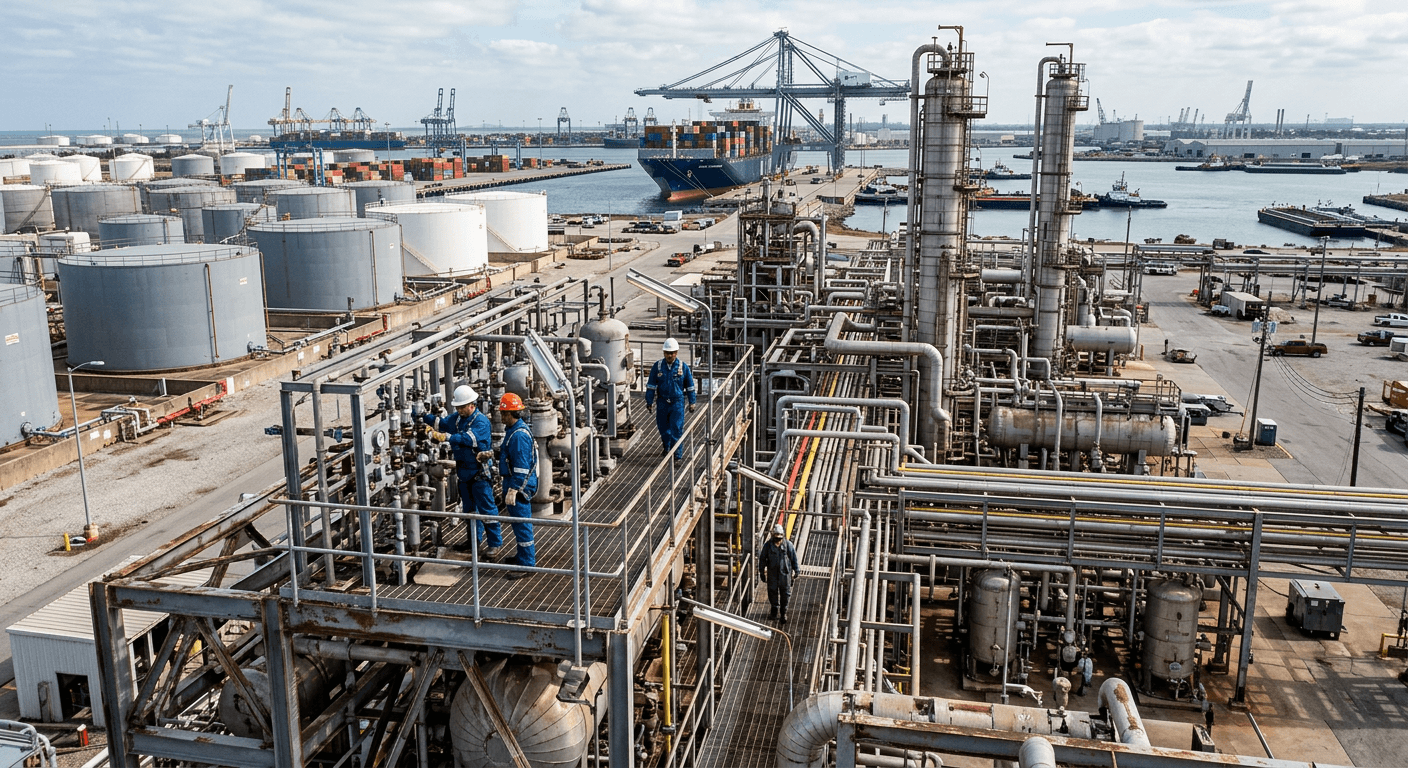
The most important industrial locations affected by the storm include:
Freeport
A major center for:
Petrochemical production
Export logistics
Polymer shipments
Chemical storage
Port Arthur
Home to:
Refining operations
Petrochemical complexes
Export infrastructure
Energy logistics assets
Lake Charles
A strategic hub for:
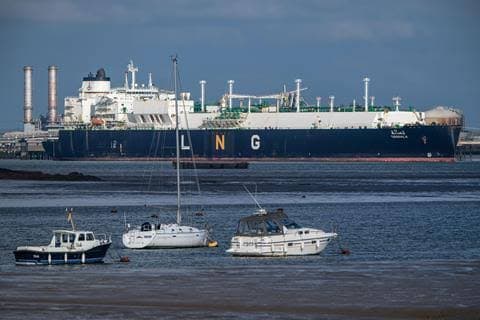
LNG facilities
Chemical manufacturing
Petrochemical processing
Industrial exports
Because these facilities operate as part of interconnected supply chains, disruption at one location can create secondary impacts elsewhere.
LNG and Chemical Markets Are Closely Linked
Many chemical buyers focus exclusively on manufacturing assets.
However, LNG infrastructure also plays an important role.
Natural gas serves as a critical feedstock for:
Methanol production
Ammonia manufacturing
Hydrogen generation
Industrial utilities
Any disruption affecting Gulf Coast energy infrastructure can influence chemical production economics.
This makes LNG facility recovery an important indicator for broader market normalization.
Why Supplier Confirmation Is Essential
One of the biggest risks after any weather event is relying on assumptions.
A supplier may appear operational while still facing:
Reduced production rates
Logistics constraints
Labor shortages
Inventory imbalances
Delayed shipments
Procurement teams should request direct confirmation regarding:
Plant Operating Status
Is the facility running at normal rates?
Shipping Performance
Have logistics operations resumed?
Inventory Availability
Can contractual commitments still be met?
Lead Time Changes
Are deliveries expected to remain on schedule?
Direct communication remains the most reliable source of information during recovery periods.
Which Products Face the Highest Exposure?
The products most exposed to Gulf Coast disruptions typically include:
Petrochemicals
Polyethylene
Polypropylene
Ethylene glycol
Styrene derivatives
Industrial Chemicals
Methanol
Solvents
Caustic soda
Chlorine derivatives
Energy-Linked Products
Ammonia
Hydrogen-related products
Natural gas derivatives
Buyers sourcing these categories should monitor recovery developments particularly closely.
A Practical Procurement Checklist
Chemical buyers should consider the following actions:
Contact Key Suppliers
Request written operational updates.
Review Inventory Coverage
Ensure adequate stock remains available.
Monitor Logistics Networks
Evaluate rail, truck and port conditions.
Assess Alternative Sources
Identify backup suppliers where feasible.
Track Market Announcements
Facility updates often provide early warning of future supply issues.
Organizations that act proactively typically experience fewer disruptions.
What Happens Next?
Several factors will determine the speed of recovery:
Floodwater removal
Utility restoration
Infrastructure inspections
Workforce availability
Transportation network performance
The absence of major structural damage would support a relatively rapid recovery.
However, localized flooding and operational inspections may still delay full normalization.
Procurement teams should therefore focus on operational evidence rather than assumptions.
Conclusion
Tropical Storm Arthur serves as another reminder that weather remains one of the most significant supply chain risks facing the chemical industry. The Freeport-Port Arthur-Lake Charles corridor represents a critical concentration of petrochemical, refining and LNG assets whose performance influences global markets.
Although the storm has passed, recovery assessments are still underway and operational impacts may continue emerging over the coming weeks. Plant inspections, logistics disruptions and infrastructure verification processes can extend supply chain effects long after rainfall ends.
For chemical buyers, the most prudent approach is simple: verify supplier operating status directly before assuming supply has fully normalized. In today's interconnected chemical market, proactive communication remains the best defense against unexpected disruptions.
Polyethylene Terephthalate (PET) CAS: 25038-59-9