
Polyethylene Terephthalate (PET) CAS: 25038-59-9
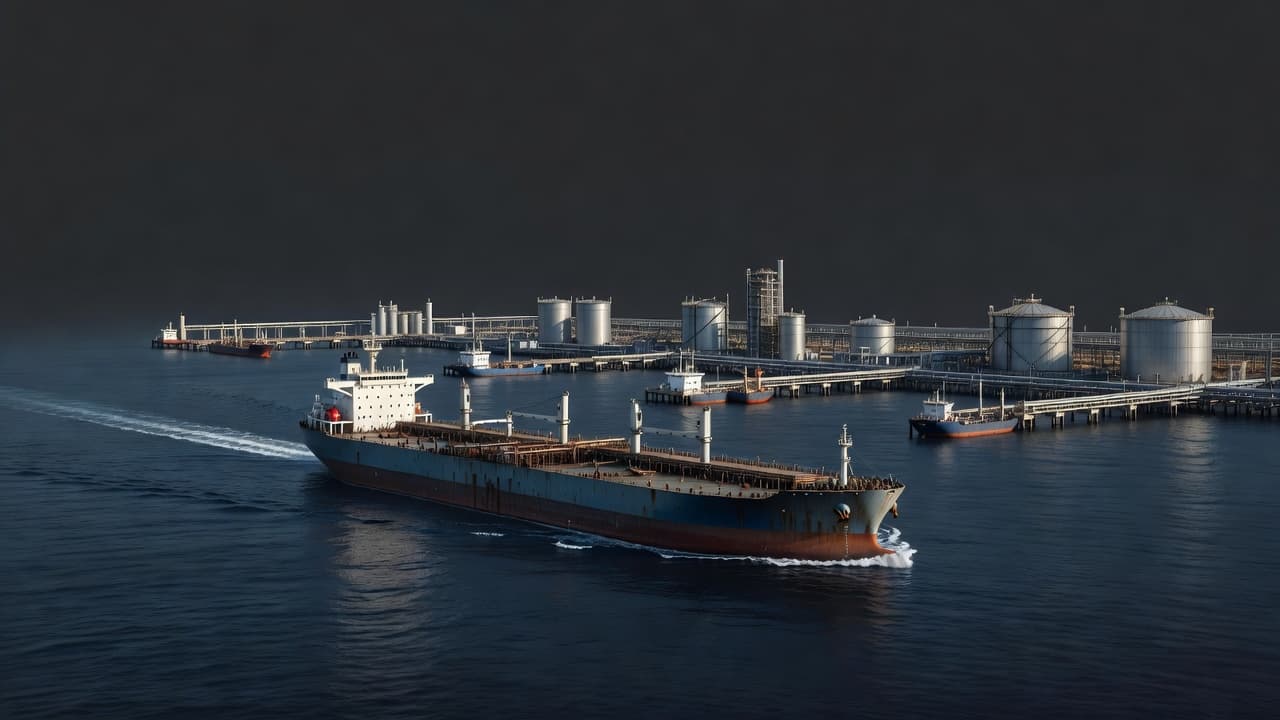
Recent comments from Energy Secretary Wright indicating that Hormuz tolls are no longer under consideration have introduced a new policy signal for global energy and chemical markets. Procurement and compliance teams should understand how changing policy direction can influence logistics planning, freight costs and sourcing strategies.

The July 17 deadline cuts off Iranian oil exports, sending ripples through global energy markets, shipping routes, and chemical supply chains. Analysts warn of price volatility, altered maritime logistics, and a shift in trade flows. Understanding these impacts is crucial for stakeholders worldwide.
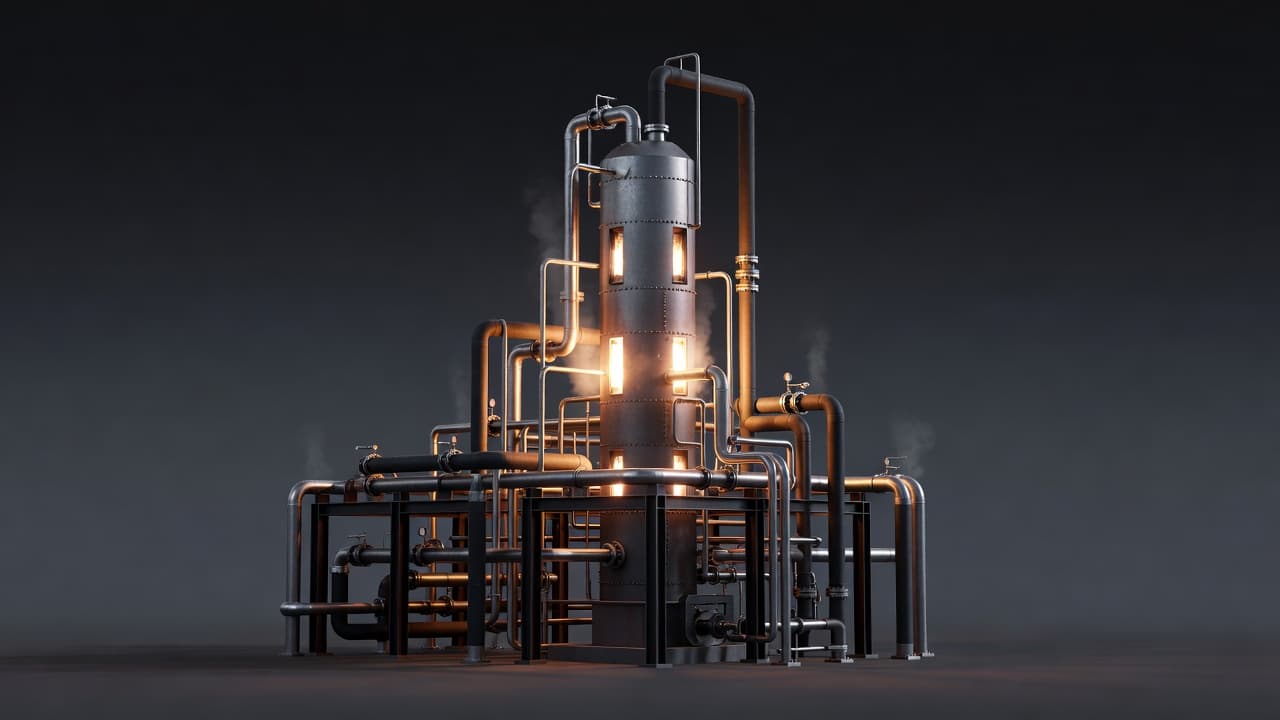
Chinese steam crackers operating near maximum capacity can spread fixed costs across larger output volumes and export surplus petrochemicals into global markets. European crackers averaging around 75% utilization face a widening cost disadvantage that could reshape polymer pricing, regional production and procurement strategies

Dow's new CEO, Karen Carter, begins her leadership amid portfolio optimization and cost reductions. Pharmaceutical buyers using USP-grade propylene glycol, PEG, and pharmaceutical excipients should monitor upcoming strategic announcements for potential supplier implications.
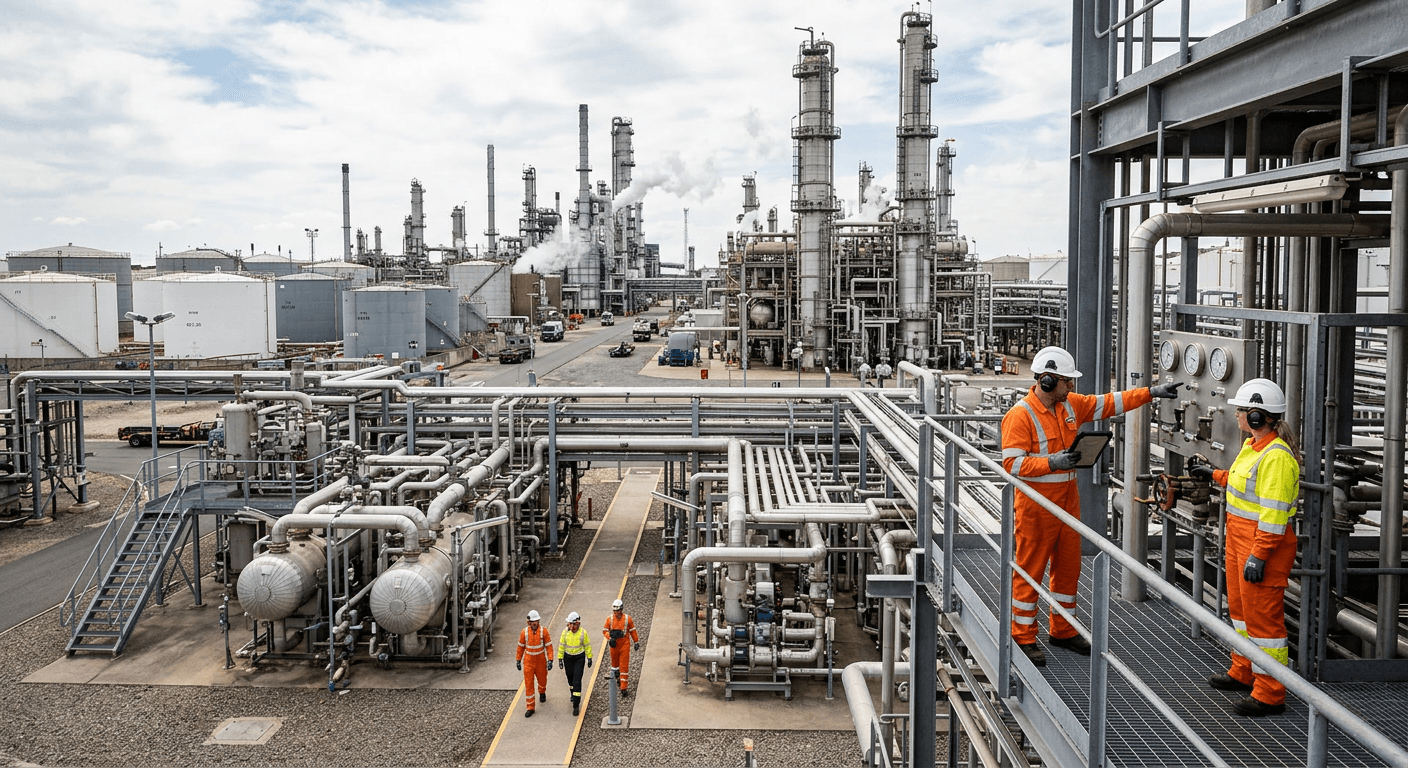
Chemical buyers are facing one of the most complex procurement environments of 2026 as energy prices fall, Gulf supply recovers and geopolitical risks remain elevated. This weekly briefing highlights the critical signals shaping commodity chemical sourcing decisions.

The 2026 Hormuz crisis demonstrated that shipping chokepoints are no longer theoretical risks. For chemical buyers, understanding which products depend on vulnerable trade corridors has become essential for procurement planning and supply chain resilience.
We're committed to your privacy. Tradeasia uses the information you provide to us to contact you about our relevant content, products, and services. For more information, check out our privacy policy.