


Related Insights
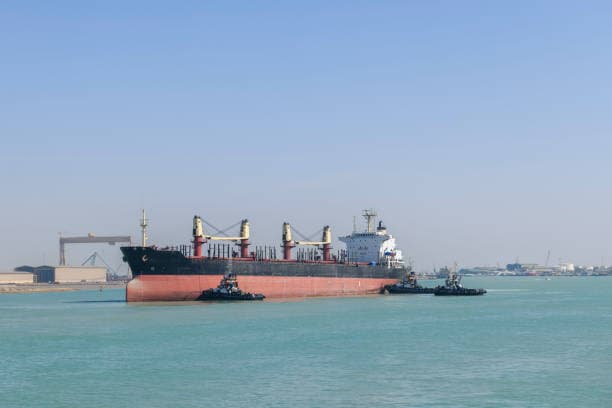
Iranian-Flagged Vessels Still Moving: What Their Transits Signal
Despite heightened tensions in the Persian Gulf, Iranian-flagged ships continue to navigate key maritime corridors. Their persistent presence offers clues about regional shipping resilience, chemical logistics, and the evolving power dynamics of global supply chains.

The Chemical Procurement Profession After 125 Days: What Has Permanently Changed
A definitive analytical article for Day 125 of the Hormuz crisis: what has permanently changed about the chemical procurement profession itself, not just the market conditions it manages.
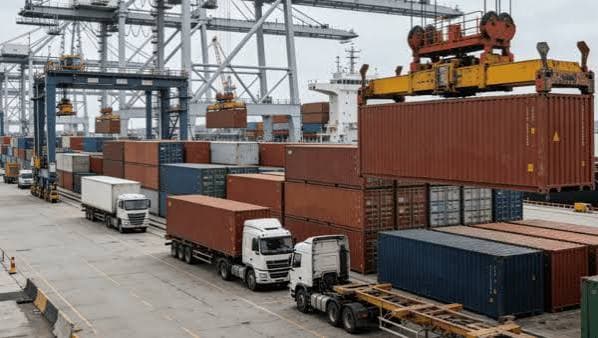
Food Ingredient Logistics: Cape Routing BAF Reset and What July Freight Relief Looks Like
The July 1 bunker adjustment factor reset marks the first measurable freight cost relief for food ingredient buyers since the 2026 shipping crisis began. Procurement teams importing under CIF or CFR terms should use this week’s freight surcharge reduction as leverage to renegotiate H2 supplier pricing.

PE and PP Market Outlook 2026: Prices Expected to Stay Elevated After Hormuz Disruption
The PE and PP market outlook for 2026 remains shaped by slow supply recovery, ongoing risk premiums and Gulf production constraints after Hormuz disruptions. Buyers should prepare for a longer normalization period instead of expecting immediate returns to pre-crisis pricing.

Naphtha Crisis Update: How Japan's Strategic Reserves and Korea's Force Majeure Actions Are Reshaping Petrochemical Procurement
Naphtha markets remain under pressure as Japan relies on strategic reserves and South Korean producers declare force majeure across downstream contracts. Procurement teams across plastics and fibers face difficult sourcing decisions while waiting for post-ceasefire supply normalization.

Ascend Performance Materials Bankruptcy: What It Means for the Nylon 66 Supply Chain in 2026
The bankruptcy filing of Ascend Performance Materials marks a major turning point for the Nylon 66 supply chain. Rising Chinese capacity, changing feedstock dynamics and increased global competition are reshaping sourcing strategies for buyers worldwide. Procurement teams should reassess supplier portfolios before market conditions shift again.
Don't miss out on our updates! Subscribe to our newsletter now
We're committed to your privacy. Tradeasia uses the information you provide to us to contact you about our relevant content, products, and services. For more information, check out our privacy policy.