

Related Insights
Ecolab's Semiconductor Water Pivot and Environmental Compliance: What It Means for Chemical Procurement
Ecolab's acquisition of Ovivo's electronics ultrapure water business strengthens its role in semiconductor manufacturing, where water management is critical. Procurement and sustainability teams should understand how this development may influence supplier engagement and environmental reporting.
USDA's FIELDS Program Seeks to Reduce Dependence on Unstable Import Routes
The USDA’s FIELDS initiative aims to fortify domestic agricultural supply chains by cutting reliance on volatile import routes. By fostering local fertilizer production and enhancing logistics, the program promises greater stability for farmers and consumers alike. Discover how this strategy reshapes U.S. food security.
The Global Chemical Downcycle: What “Prioritizing Cash Flow” Really Means for 2026 Output
Chemical companies are entering 2026 with a renewed focus on cash flow, portfolio restructuring and selective investment rather than aggressive expansion. Procurement teams should understand how this strategy could affect production capacity, supplier priorities and long-term supply reliability.
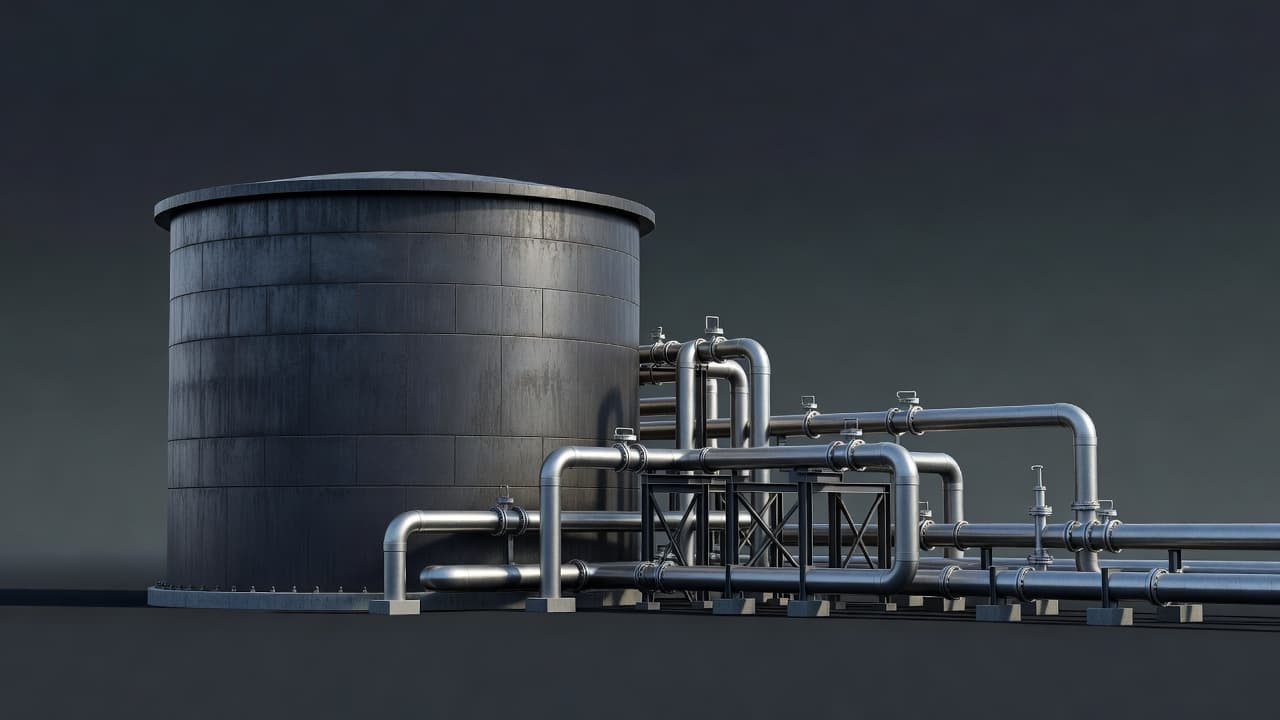
Global Production Forecast Cut: What Atradius's 2026 Warning Means for Chemical Procurement
Atradius expects global chemical production to grow by only about 0.6% in 2026, with continued geopolitical conflict potentially resulting in a 1.7% contraction. Procurement teams should prepare for tighter supply conditions, changing pricing dynamics and increased sourcing risks.
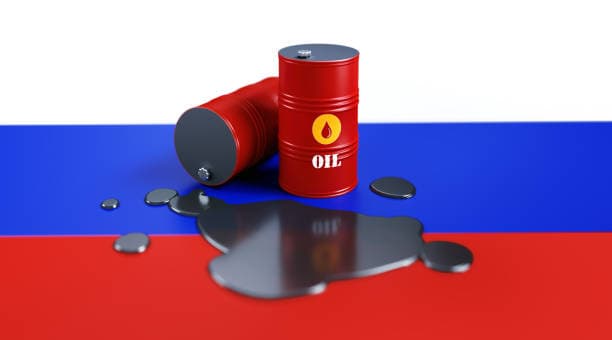
Russia Country Watch: Yamal LNG’s Ripple Effect on Europe’s Chemical Feedstocks
Russia’s Yamal LNG surge has reshaped European chemical supply chains, offering short‑term gas security but exposing deeper vulnerability to external gas flows. Ammonia and methanol plants gained access to cheaper gas, yet spot premiums and sanctions risks loom. Procurement teams must factor these dynamics into cost and supplier risk models.
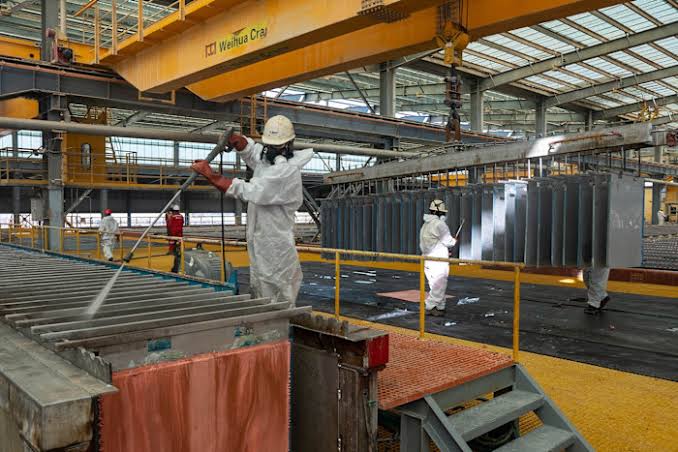
Sulfur Supply Recovery: Gulf Refinery By-Product and the 45% Global Share That Was Offline
The Hormuz crisis disrupted nearly 45% of global sulfur supply as Gulf refinery by-product exports collapsed for months. With vessel movement now improving, sulfur and sulfuric acid buyers may finally see the first meaningful cost relief in August after one of 2026’s most overlooked supply chain disruptions.
Don't miss out on our updates! Subscribe to our newsletter now
We're committed to your privacy. Tradeasia uses the information you provide to us to contact you about our relevant content, products, and services. For more information, check out our privacy policy.