
Sulfur Supply Post-Hormuz: Fertilizer and Agrochemical Sector Watches Gulf Refinery Restart Timeline
Introduction
The global fertilizer and agrochemical industries are closely monitoring refinery restart timelines across the Gulf region following recent disruptions linked to tensions around the Strait of Hormuz. While much attention has focused on crude oil and fuel markets, sulfur supply has emerged as an equally important concern for agricultural input manufacturers.
As a critical byproduct of oil refining and natural gas processing, sulfur serves as a foundational raw material for sulfuric acid production, phosphate fertilizers, and numerous agrochemical applications. Any delay in refinery operations can create ripple effects throughout global agricultural supply chains, making refinery restart schedules a key focus for fertilizer producers, agrochemical formulators, and commodity traders.
Why Sulfur Matters to Agriculture
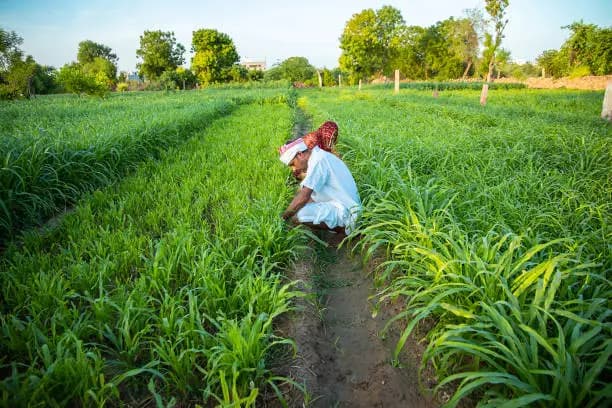
Sulfur plays a vital role in modern agriculture, both as a plant nutrient and as a key industrial feedstock.
Major agricultural applications include:
Phosphate fertilizer production
Sulfur-based fertilizers
Crop protection chemicals
Micronutrient formulations
Soil conditioning products
Agricultural intermediates
Perhaps most importantly, sulfur is used to produce sulfuric acid, one of the world's most widely consumed industrial chemicals and a critical component in phosphate fertilizer manufacturing.
The Link Between Gulf Refineries and Sulfur Supply
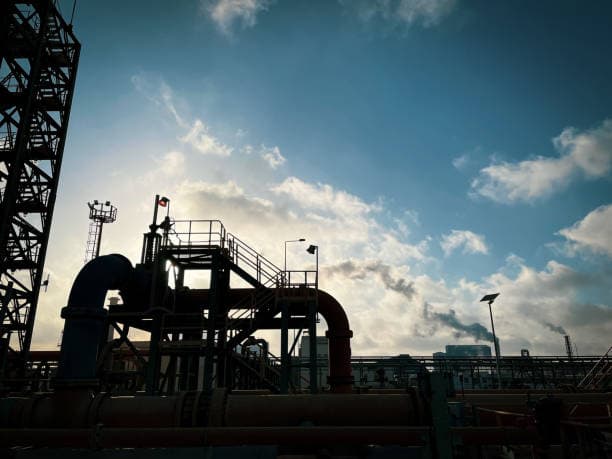
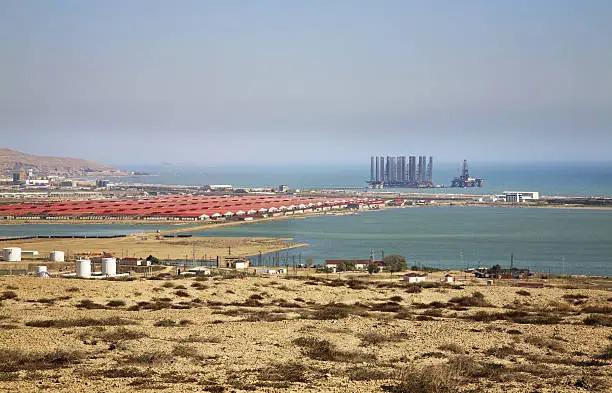
The Gulf region is home to some of the world's largest oil refining and natural gas processing facilities.
These operations generate substantial volumes of sulfur through:
Crude oil refining
Natural gas processing
Desulfurization systems
Hydroprocessing units
As a result, refinery operating rates directly influence sulfur availability in global markets.
When refinery activity slows or experiences disruptions, sulfur production can decline even if agricultural demand remains stable.
Post-Hormuz Refinery Restart Concerns
Uncertainty Around Sulfur Availability
Although energy infrastructure is gradually returning to normal operations, market participants remain cautious regarding the pace of refinery restarts.
Potential concerns include:
Delayed sulfur production recovery
Export scheduling disruptions
Inventory drawdowns
Supply chain bottlenecks
Regional supply imbalances
The speed at which refineries restore full operating capacity will largely determine sulfur market stability in the coming months.
Impact on Sulfuric Acid Production
Sulfuric acid producers are particularly sensitive to sulfur supply fluctuations.
Reduced sulfur availability can lead to:
Higher sulfuric acid production costs
Reduced operating rates
Supply allocation challenges
Increased procurement competition
These pressures may ultimately affect downstream fertilizer manufacturers.
Implications for the Fertilizer Industry
Phosphate Fertilizer Production
Sulfuric acid is essential for converting phosphate rock into phosphate fertilizers.
Potential consequences of sulfur shortages include:
Higher phosphate fertilizer production costs
Reduced manufacturing efficiency
Increased raw material expenses
Supply chain uncertainty
Producers may face challenges balancing production targets with feedstock availability.
Rising Input Costs
If sulfur markets tighten, fertilizer manufacturers could experience increased costs throughout the value chain.
Affected products may include:
Diammonium phosphate (DAP)
Monoammonium phosphate (MAP)
NPK fertilizers
Sulfur-enriched fertilizers
These increases may eventually influence fertilizer pricing in key agricultural markets.
Impact on Agrochemical Manufacturers
Sulfur-Based Crop Protection Products
Sulfur remains an important ingredient in several crop protection applications.
Products potentially affected include:
Sulfur fungicides
Specialty agricultural formulations
Micronutrient products
Soil treatment solutions
Any prolonged supply constraints could influence manufacturing schedules and procurement strategies.
Supply Planning Challenges
Agrochemical companies may respond by:
Building strategic inventories
Securing long-term supply agreements
Diversifying sourcing networks
Increasing market monitoring efforts
These measures can help reduce exposure to future disruptions.
Global Trade and Logistics Considerations
Export Flow Recovery
The restoration of sulfur exports depends not only on refinery operations but also on logistics infrastructure.
Key factors include:
Port operations
Vessel availability
Storage capacity
Freight costs
Regional transportation networks
Efficient export recovery will be critical for restoring balance to international sulfur markets.
Regional Supply Competition
Import-dependent regions may compete more aggressively for available sulfur volumes if supply remains constrained.
This could place additional pressure on:
Asian fertilizer manufacturers
African agricultural markets
Latin American importers
Market participants are therefore paying close attention to export trends and inventory levels.
Opportunities Emerging from Market Uncertainty
Despite short-term risks, current conditions are creating opportunities across the sulfur value chain.
Investment in Supply Diversification
Many companies are exploring alternative sulfur sourcing options to improve supply security.
Expansion of Strategic Storage
Additional sulfur and sulfuric acid storage capacity can provide greater flexibility during periods of disruption.
Supply Chain Optimization
Digital monitoring systems and advanced logistics planning are becoming increasingly important tools for managing market volatility.
Strategic Recommendations for Industry Participants
To mitigate risks associated with sulfur market uncertainty, companies should consider:
Monitoring Gulf refinery restart progress closely.
Diversifying sulfur procurement sources.
Strengthening supplier relationships.
Expanding inventory planning capabilities.
Evaluating long-term supply agreements.
Improving visibility across the sulfur value chain.
These actions can help support operational continuity during periods of market adjustment.
Future Outlook
The sulfur market's recovery will depend heavily on the pace of refinery normalization across the Gulf region. If operations return to full capacity within expected timelines, sulfur availability is likely to improve and market conditions could stabilize.
However, ongoing geopolitical uncertainty and logistics challenges may continue to influence supply dynamics. Fertilizer and agrochemical manufacturers are therefore expected to maintain a cautious approach to procurement and inventory management throughout the remainder of the year.
Conclusion
The post-Hormuz refinery restart timeline has become a critical issue for global sulfur markets. As a key feedstock for sulfuric acid, phosphate fertilizers, and agrochemical products, sulfur availability plays an essential role in supporting agricultural productivity and food security.
While refinery operations continue to recover, fertilizer and agrochemical companies are closely monitoring developments to ensure supply continuity and manage procurement risks. In an increasingly interconnected market, sulfur supply resilience is likely to remain a strategic priority for the agricultural input industry.
Ammonium Sulphate - Taiwan CAS: 7783-20-2