
Related Insights
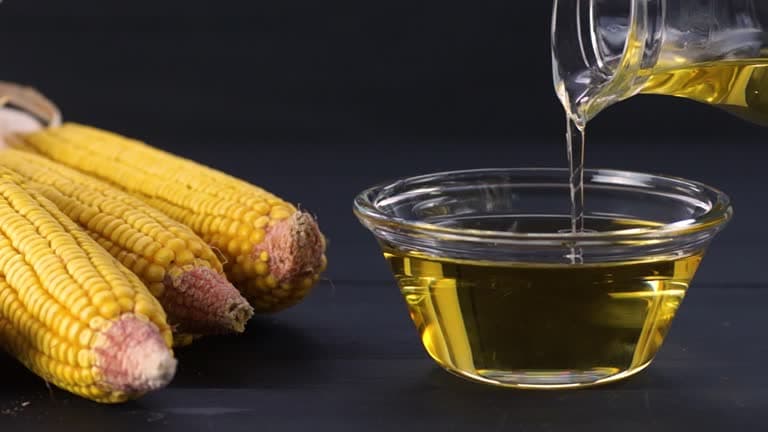
MSG Mid‑Year Supply Reset: How Fufeng and Meihua’s H2 2026 Pricing Could Shape Global Procurement
MSG pricing is set for a pivotal shift as Chinese producers Fufeng Group and Meihua Holdings release their H2 2026 contracts. With stable corn costs and easing freight rates, the new price points could redefine global food ingredient procurement. This article explores the strategic moves of these key players and the competitive implications for buyers worldwide.
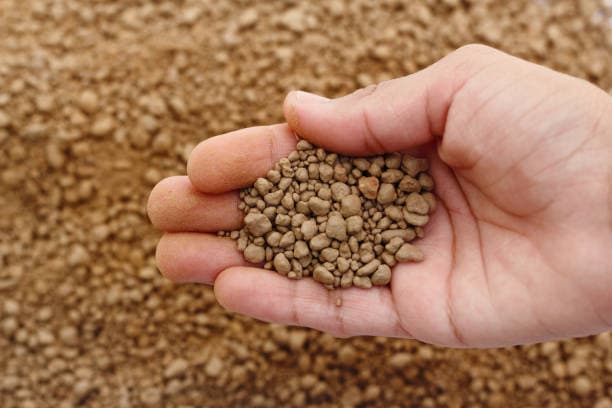
India DAP Tender Oversubscribed: Signals for Global Phosphate Prices
India’s latest DAP tender attracted record oversubscription, underscoring the country’s defensive buying stance. The move signals that global phosphate prices may stay high as demand in India remains robust. Analysts project a continued upward trend for DAP prices amid supply constraints.
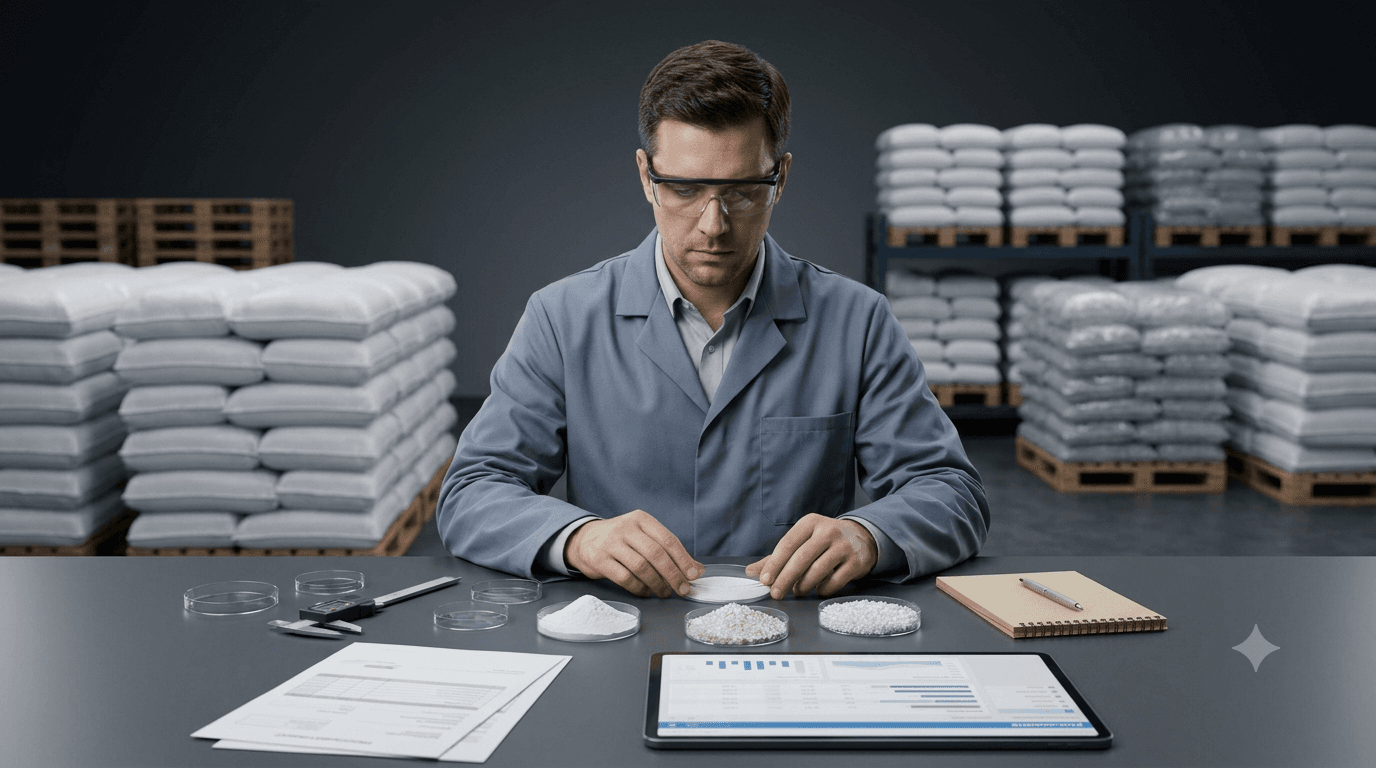
Food Ingredient Procurement Planning for H2 2026: Opportunity Matrix for Smarter Sourcing Decisions
Planning food ingredient procurement for H2 2026 unlocks key sourcing advantages while mitigating risks. By mapping opportunities for citric acid, sucralose, maltodextrin, dextrose, guar gum, and corn starch, buyers can make smarter, data‑driven purchasing decisions.

Propylene Glycol: Pharma and Food Grade Supply Stable but Industrial Grade Under Margin Pressure
Propylene glycol markets are becoming increasingly segmented in 2026. While pharmaceutical and food-grade material benefits from strong healthcare and nutraceutical demand, industrial-grade propylene glycol continues to face margin pressure from weak downstream markets and feedstock volatility.

Acetonitrile Tightness Persists: 2026 Demand Surpasses Supply in Pharma API Market
In 2026, acetonitrile remains a bottleneck as pharmaceutical API production expands, especially for GLP-1 drugs. Limited acrylonitrile output and rising specialty solvent demands keep pricing high. The industry must adapt to this tight supply environment.
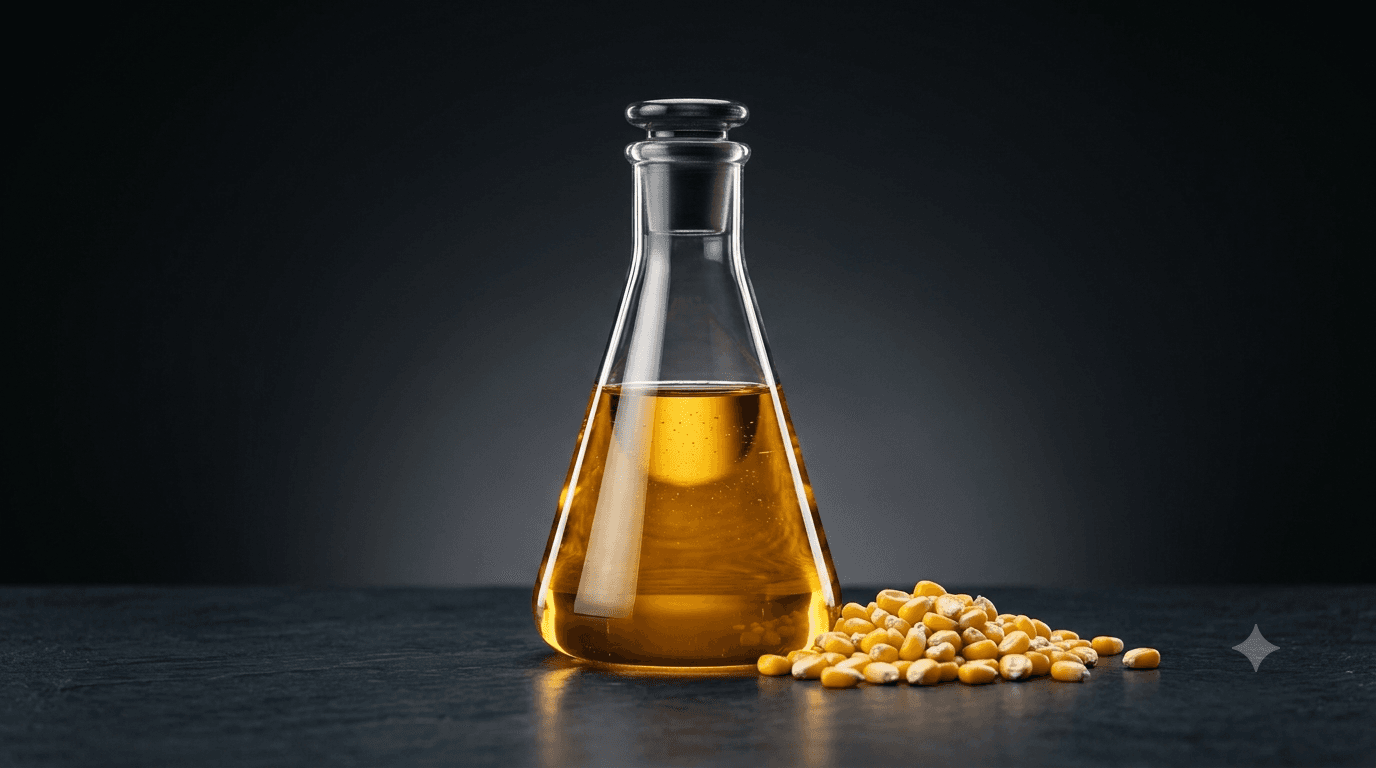
How 2026 Agricultural Commodity Prices Shape the Chemical Ingredient Market
In 2026, spikes in agricultural commodity prices are reshaping the chemical industry. From citric acid to bio‑based amino acids, feedstock costs drive procurement strategies, influence food security, and accelerate the shift to sustainable alternatives.
Don't miss out on our updates! Subscribe to our newsletter now
We're committed to your privacy. Tradeasia uses the information you provide to us to contact you about our relevant content, products, and services. For more information, check out our privacy policy.