Background: The Hormuz Shock and the Gulf Chemical Landscape
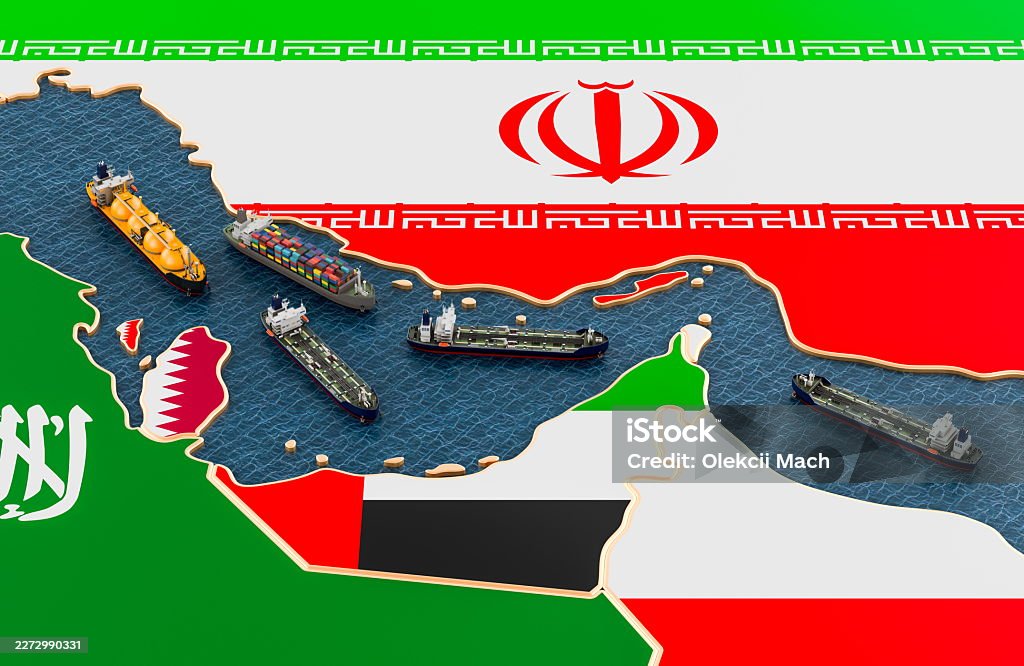
The temporary closure of the Strait of Hormuz sent shockwaves through global petrochemicals. Supply disruptions hit Saudi Arabia’s output, especially in key building blocks for polymers. However, the country’s chemical mastery—rooted in its vast reserves and strategic infrastructure—has positioned it to accelerate recovery faster than any other Gulf partner.
SABIC’s Rapid Mobilization: A Blueprint for Polymer Resurgence
Strategic Capacity Expansion
Since the crisis, SABIC has increased its production capacity by 8% across its flagship units. The company’s new 2026 roadmap focuses on polyethylene (PE) and polypropylene (PP)—the two most in-demand polymers for packaging, automotive and construction.
PE: 3.2 million tonnes per annum (Mtpa) boost, targeting high-density and low-density segments.
PP: 1.5 Mtpa capacity increase, enhancing feedstock flexibility.
Supply Chain Optimisation
Leveraging its integrated refinery network, SABIC has secured in-house propylene production, reducing reliance on external feedstock. This vertical integration cuts lead times and stabilises pricing in volatile markets.
Aramco Petrochemicals: Powering the Recovery Engine
Petrochemical Cluster Synergy
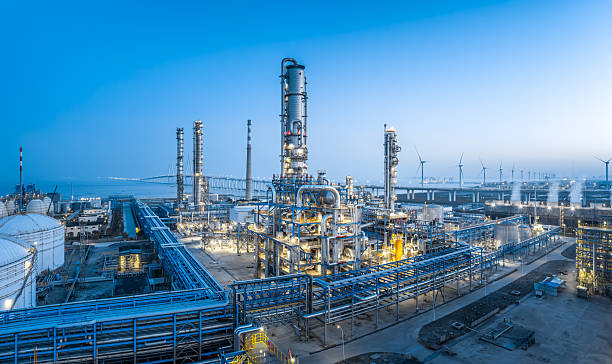
Aramco’s petrochemical division is expanding its crude-to-plastics pipeline. By 2026, the group plans to add 2.5 Mtpa of ethylene and 1.8 Mtpa of propylene, feeding directly into the PE and PP lines.
Technology and Sustainability
Aramco has invested in green hydrogen and CO₂ capture technologies. These innovations not only reduce the carbon footprint but also ensure a steady supply of high-quality ethylene, a critical feedstock for polymer production.
Market Implications: Polyethylene and Polypropylene Dynamics
Polyethylene Market Outlook
The global demand for PE is projected to rise by 4% annually. SABIC’s increased output, coupled with Aramco’s feedstock security, will position Saudi Arabia to capture a larger market share, especially in the high-density segment used for packaging and industrial piping.
Polypropylene Market Outlook
PP demand is expected to climb by 3.5% per year, driven by automotive and electronics sectors. With enhanced production capacity, Saudi Arabia can meet this demand while stabilising global PP pricing, which has been volatile post-Hormuz.
Competitive Edge: Why Saudi Leads in 2026
Integrated supply chains reduce bottlenecks.
Strategic geographic positioning ensures rapid distribution across the Middle East and Asia.
Strong government support and incentives for petrochemical expansion.
A New Era for Saudi Chemical Markets
In the wake of the Hormuz crisis, SABIC’s and Aramco’s coordinated expansion efforts are setting the stage for a swift and robust chemical market recovery. By 2026, Saudi Arabia is poised to become a dominant force in the polyethylene and polypropylene arenas, reshaping global supply chains and pricing dynamics.
PP Homopolymer T03 (Yarn) - China CAS: 9003-07-0