
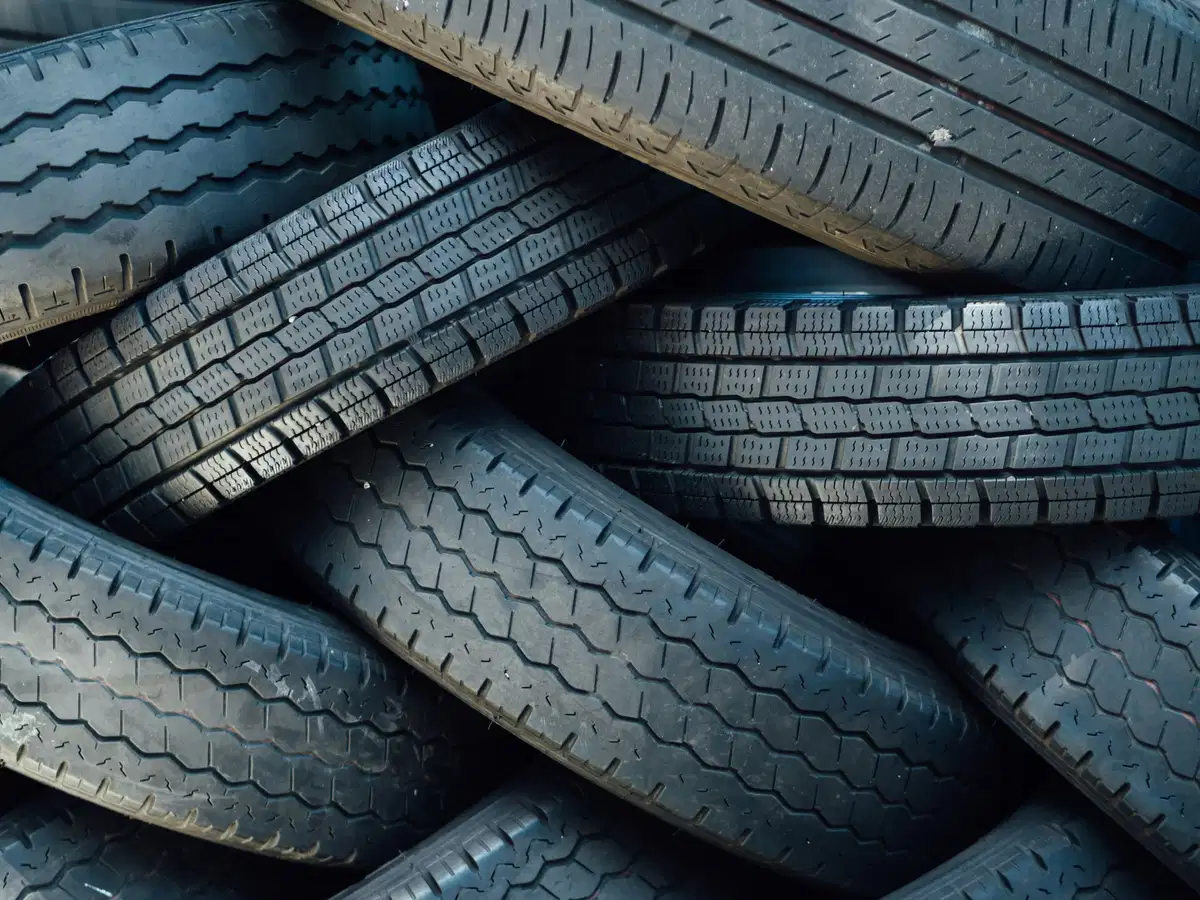
Rubber Processing Chemicals: Accelerators, Antioxidants, and What's Changing
Overview
Rubber processing chemicals are a critical but often overlooked part of the global automotive and industrial manufacturing supply chain. These specialty additives enable rubber compounds to be processed efficiently, cured properly, and protected against degradation throughout their service life.
From passenger car tires and truck tires to conveyor belts, seals, hoses, footwear, and industrial components, rubber processing chemicals play an essential role in determining product performance, durability, and safety.
As the automotive industry evolves and environmental regulations tighten, the rubber chemicals market is entering a period of significant change, with some traditional chemistries facing increased scrutiny and newer alternatives gaining traction.
What Are Rubber Processing Chemicals?
Rubber processing chemicals are additives incorporated into rubber formulations to improve manufacturing efficiency and end-product performance.
Major categories include:
Vulcanization accelerators
Antioxidants
Antiozonants
Processing aids
Tackifiers
Peptizers
Retarders
Specialty performance additives
Among these, accelerators and antioxidants account for a substantial portion of global demand.

Vulcanization Accelerators: The Backbone of Rubber Manufacturing
Rubber vulcanization is the process that creates cross-links between polymer chains, transforming soft rubber into a durable and elastic material.
Accelerators are used to:
Increase curing speed
Improve production efficiency
Reduce energy consumption
Enhance physical properties
Improve process consistency
Without accelerators, modern tire manufacturing would be significantly slower and less economical.
Common Accelerator Families
Sulfenamides
Examples include:
CBS (N-Cyclohexyl-2-benzothiazolesulfenamide)
TBBS (N-tert-Butyl-2-benzothiazolesulfenamide)
Advantages:
Delayed action during processing
Excellent scorch safety
Widely used in tire manufacturing
These remain the dominant accelerator class for modern radial tires.
Thiazoles
Examples:
MBT (Mercaptobenzothiazole)
MBTS (Dibenzothiazyl Disulfide)
Characteristics:
Good curing efficiency
Frequently used in combination systems
Established industrial applications
Dithiocarbamates and Thiurams
Advantages:
Very fast cure rates
Useful in specialty rubber products
Challenges:
Increasing regulatory scrutiny
Potential formation of nitrosamines
Occupational exposure concerns
These concerns are encouraging manufacturers to explore alternative chemistries.
Antioxidants: Protecting Rubber from Aging
Rubber products face continuous attack from:
Oxygen
Heat
UV radiation
Mechanical stress
Antioxidants help prevent degradation by slowing oxidation reactions that can cause cracking, hardening, and loss of elasticity.
Major Antioxidant Types
Amine-Based Antioxidants
Common examples:
TMQ (Polymerized 2,2,4-Trimethyl-1,2-Dihydroquinoline)
6PPD (N-(1,3-Dimethylbutyl)-N'-phenyl-p-phenylenediamine)
Benefits:
Excellent protection against heat and oxidation
Strong performance in tires
Widely adopted across the industry
Phenolic Antioxidants
Advantages:
Good color stability
Suitable for non-black rubber applications
Common in consumer products and specialty elastomers

The 6PPD Challenge
One of the most significant developments in recent years has been growing scrutiny surrounding 6PPD.
When tires wear, 6PPD can react with ozone to form transformation products that have raised environmental concerns, particularly regarding aquatic ecosystems.
As a result:
Regulators are increasing investigations
Tire manufacturers are evaluating alternatives
Chemical suppliers are investing in replacement technologies
The industry recognizes that replacing 6PPD is technically challenging because few alternatives currently offer equivalent performance.
Automotive Industry Influence
The tire industry remains the largest consumer of rubber processing chemicals.
Demand is closely linked to:
Global vehicle production
Tire replacement cycles
Commercial transportation activity
Industrial equipment manufacturing
Although electric vehicles use different powertrains, they still require tires and often place greater stress on them due to higher vehicle weight and torque.
This supports continued demand for high-performance rubber additives.
Electric Vehicles and New Performance Requirements
The rise of EVs is creating new challenges for tire manufacturers:
Requirements include:
Lower rolling resistance
Enhanced durability
Improved heat management
Reduced noise generation
Higher load-bearing capability
These demands are encouraging development of advanced accelerator systems and next-generation protective additives.
Regulatory Pressure and Chemistry Replacement
Several traditional rubber chemicals face increasing scrutiny due to:
Worker safety concerns
Environmental regulations
Nitrosamine formation risks
Water quality impacts
Sustainability targets
As a result, manufacturers are investing in:
Safer accelerator systems
Low-nitrosamine formulations
Environmentally improved antioxidants
Sustainable raw material sourcing
Regional Market Trends
Asia-Pacific
The largest rubber chemicals market globally due to:
Dominant tire manufacturing capacity
Strong automotive production
Expanding industrial sectors
China and India remain major growth centers.
Europe
Focused on:
Regulatory compliance
Sustainable formulations
Environmental performance
North America
Driven by:
Tire replacement demand
Automotive manufacturing
Development of advanced elastomer technologies
Where Suppliers See Growth
The strongest opportunities are emerging in:
High-Performance Tires
EV-specific tire compounds
Premium automotive segments
Commercial vehicle applications
Sustainable Rubber Solutions
Lower environmental impact additives
Safer curing systems
Reduced hazardous byproducts
Industrial Rubber Products
Conveyor belts
Seals and gaskets
Construction materials
Mining and energy applications
Market Outlook
The rubber processing chemicals industry remains fundamentally tied to global mobility and industrial activity. While demand from tire manufacturing continues to provide a stable foundation, the market is increasingly shaped by environmental regulation and changing performance requirements.
Accelerators and antioxidants will remain indispensable to rubber manufacturing, but suppliers that develop safer, more sustainable alternatives to traditional chemistries are likely to capture the greatest growth opportunities over the next decade.
Key Takeaways
Rubber processing chemicals are essential for tire and industrial rubber production.
Vulcanization accelerators improve curing speed and manufacturing efficiency.
Antioxidants protect rubber from heat, oxygen, and environmental degradation.
Traditional chemistries such as certain dithiocarbamates and 6PPD face increasing regulatory scrutiny.
EV tires are creating demand for higher-performance rubber formulations.
Asia remains the largest production and consumption region.
Sustainability and regulatory compliance are becoming major drivers of innovation.