

Polyethylene Terephthalate (PET) CAS: 25038-59-9
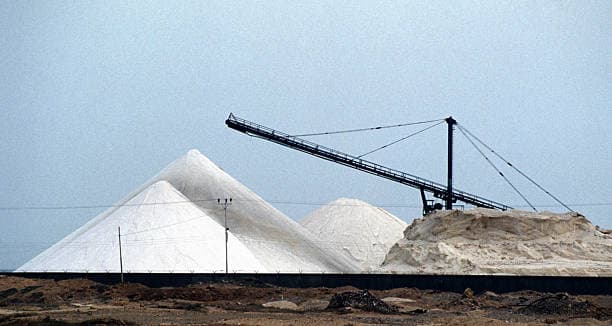
China’s ongoing ban on phosphate exports pushes global fertilizer markets into uncertainty, tightening DAP and MAP supplies, reshaping shipping routes, and forcing buyers to rethink procurement strategies. The ripple effect underscores the fragility of the agricultural input supply chain.

Indian chemical exporters are recalibrating strategies as the rupee weakens. Lower currency value boosts price competitiveness abroad but tightens margins on imported inputs. Logistics and procurement economics now shift to new cost structures.

The current escalation has directly touched Iran, the US, Kuwait, the UAE, Oman, Jordan, Saudi Arabia and Yemen. Chemical buyers must rank this expanded footprint against past crises to adjust procurement strategies.

Australia enters its critical pre-season agricultural procurement period with improving global logistics, lower freight costs and stronger chemical supply conditions. For fertilizer and agrochemical buyers, July represents the most important purchasing month before spring planting begins.

Ammonia availability in Q3 2026 is rebounding, shifting power back to sellers. Indian buyers, once dominant in phosphoric acid pricing, now face tighter margins and less bargaining room. Learn how supply dynamics reshape fertilizer procurement strategies.
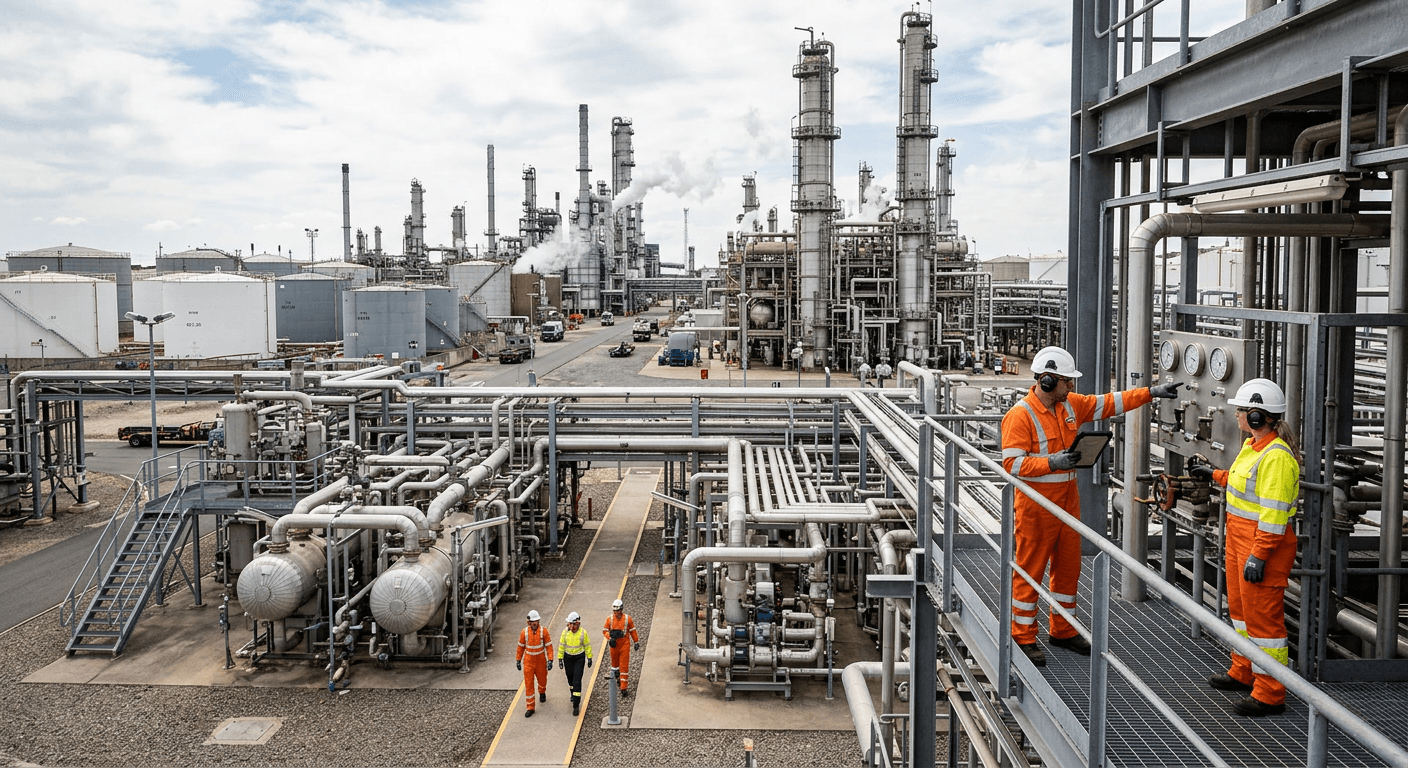
Chemical buyers are facing one of the most complex procurement environments of 2026 as energy prices fall, Gulf supply recovers and geopolitical risks remain elevated. This weekly briefing highlights the critical signals shaping commodity chemical sourcing decisions.
We're committed to your privacy. Tradeasia uses the information you provide to us to contact you about our relevant content, products, and services. For more information, check out our privacy policy.