United States Chemical Watch: Dow CEO Transition, PFAS Regulatory Divergence, and Export Gains
Introduction
The US chemical industry enters the second half of 2026 from a position of relative strength compared with many global competitors. While Europe continues to struggle with structural energy cost disadvantages and the Middle East works toward post-Hormuz export normalization, American chemical producers are benefiting from abundant domestic feedstocks, strong export competitiveness, and growing market share in Asia.
However, the industry is not without challenges. Leadership changes at major producers, increasing state-level PFAS regulation, ongoing discussions around chemical policy reform, and a shifting trade environment are creating a complex operating landscape.
Three themes are defining the US market in mid-2026:
Leadership transition at Dow Inc.
Growing regulatory divergence around PFAS chemicals
Expanding export opportunities in Asia following global supply disruptions

Dow's Leadership Transition
One of the most closely watched developments in the US chemical sector is the leadership transition at Dow Inc..
Key developments:
CEO transition scheduled for July 2026
Karen Carter expected to lead the next phase of restructuring
Continued execution of a multi-year cost reduction strategy
Portfolio optimization and asset rationalization remain priorities
Strategic significance:
The leadership change comes at a time when chemical producers are increasingly focused on:
Margin improvement
Operational efficiency
Capital discipline
Specialty product expansion
Investors and industry participants will be watching closely to see whether Dow accelerates its shift toward higher-value specialty businesses while reducing exposure to lower-margin commodity segments.
The $2 Billion Cost Savings Programme
Dow's transformation strategy continues to focus on cost competitiveness.
Core objectives:
Reduce operating expenses
Improve asset utilization
Optimize manufacturing footprint
Increase free cash flow generation
Industry context:
While US producers generally enjoy lower feedstock costs than their European counterparts, margin pressure from global oversupply remains a concern in several chemical chains.
As a result, efficiency improvements remain a central strategic priority even during periods of stronger export demand.
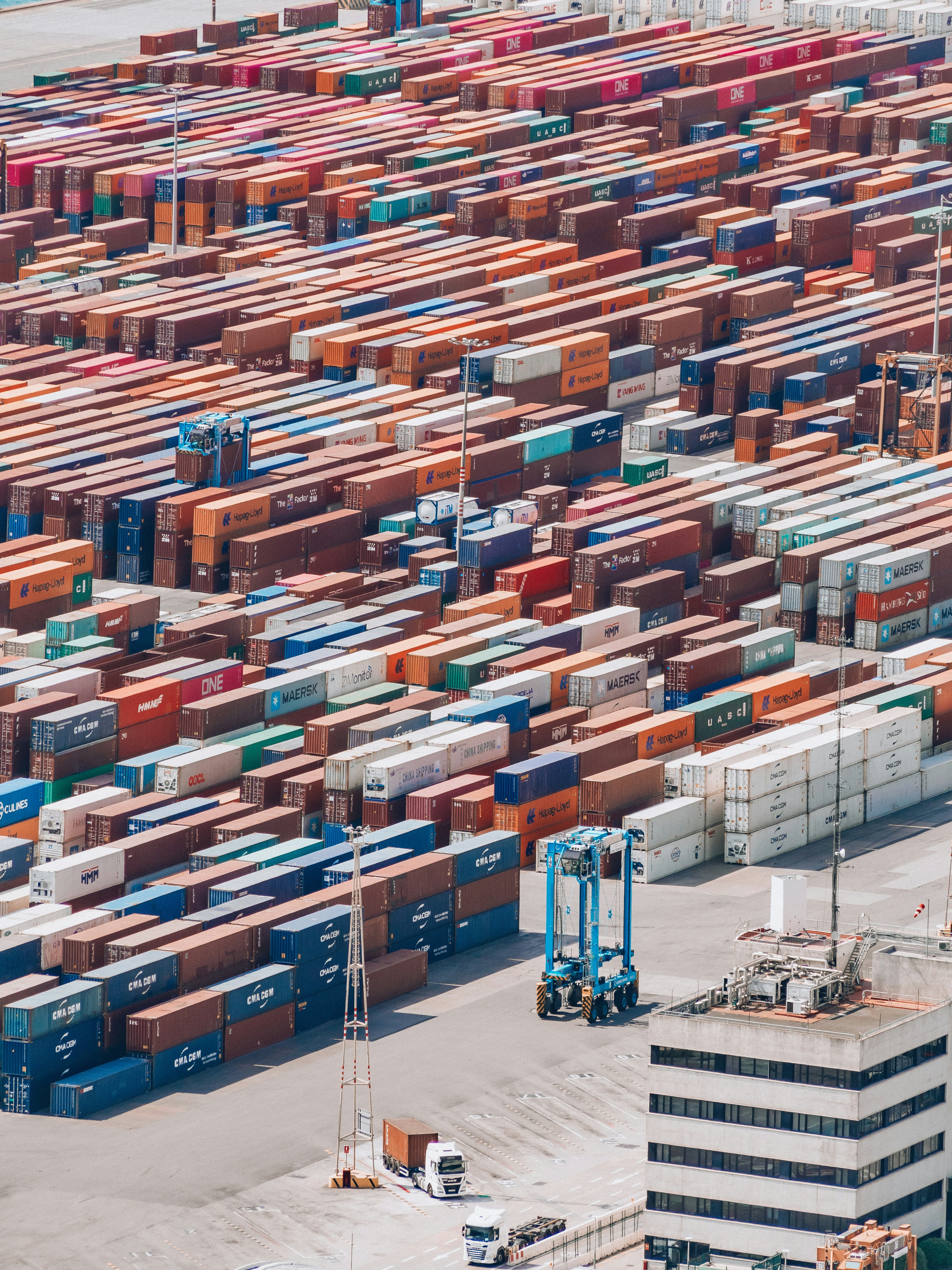
Why the US Was Less Impacted by the Hormuz Crisis
A major competitive advantage for the US chemical industry is its feedstock structure.
Ethane-based advantage
Unlike many regions that depend heavily on imported crude oil or naphtha, US petrochemical producers benefit from:
Domestic natural gas production
Abundant ethane supply
Integrated shale gas infrastructure
Lower feedstock volatility
Key beneficiaries:
Polyethylene producers
Ethylene crackers
Derivative manufacturers
Export-oriented polymer producers
This reduced exposure to Hormuz-related disruptions compared with Europe and Asia.
PFAS Regulation: Growing State-Level Divergence
One of the most important regulatory themes in the US chemical market is the growing divergence in PFAS regulation.
What are PFAS?
Per- and polyfluoroalkyl substances (PFAS) are used in:
Fluoropolymers
Industrial coatings
Electronics
Water-resistant materials
Firefighting products
Current challenge:
As federal regulatory approaches evolve, individual states are increasingly implementing their own PFAS restrictions.
Consequences:
Different compliance requirements across states
Increased regulatory complexity
Higher reporting and documentation burdens
Supply chain uncertainty for manufacturers
This creates a patchwork regulatory environment that many producers consider more challenging than a single national framework.
TSCA Reform Discussions Continue
The US chemical industry is also monitoring ongoing discussions around the modernization of:
Toxic Substances Control Act (TSCA)
Areas of focus:
Risk evaluation procedures
Existing chemical reviews
New chemical approvals
Regulatory efficiency
Industry concerns:
Manufacturers seek greater predictability and consistency while maintaining access to innovation and product development opportunities.
TSCA remains a central policy issue for specialty and industrial chemical producers.
Trade Policy and the New Tariff Environment
Trade policy continues to influence chemical market dynamics.
Key themes:
Evolving tariff structures
Supply chain localization strategies
Strategic manufacturing incentives
Export competitiveness considerations
For chemical companies, tariffs affect:
Raw material sourcing
Cross-border supply chains
Investment decisions
Export opportunities
The industry continues to adapt to a more trade-focused policy environment.
US Chemical Exports Gain Market Share
One of the biggest beneficiaries of post-Hormuz supply rebalancing has been the US export sector.
Products gaining traction in Asia:
Polyethylene
Specialty polymers
Packaging resins
Performance materials
Selected petrochemical intermediates
Why buyers are increasing purchases:
Reliable feedstock base
Stable production capacity
Reduced geopolitical exposure
Competitive pricing
Many Asian buyers that diversified away from Middle Eastern suppliers during the disruption are now maintaining a portion of their purchases from US producers.
Polyethylene: A Major Export Winner
Polyethylene remains one of the strongest export stories for the US chemical sector.
Competitive advantages:
Low-cost ethane feedstocks
Large-scale production capacity
Established export infrastructure
Strong logistics networks
Polyethylene Terephthalate (PET) CAS: 25038-59-9
Major demand markets:
China
India
Southeast Asia
Latin America
Post-Hormuz procurement diversification has strengthened the position of US polyethylene in global trade flows.
Specialty Chemicals Continue to Expand
Beyond commodity polymers, specialty chemical exports are also benefiting.
Growth areas:
Advanced materials
Performance polymers
Electronics chemicals
Industrial additives
Specialty coatings ingredients
These products are generally less exposed to commodity price volatility and often offer stronger margins.
Strategic Outlook
The US chemical industry currently enjoys several structural advantages:
Strengths:
Domestic feedstock security
Competitive energy costs
Strong export infrastructure
Growing Asian market access
Challenges:
PFAS regulatory fragmentation
TSCA policy uncertainty
Global oversupply in selected chemical chains
Trade policy volatility
Managing these competing forces will define industry performance through the remainder of 2026.
Market Outlook
The United States enters H2 2026 as one of the most competitive chemical producing regions globally. Domestic ethane-based feedstocks continue to provide a significant cost advantage, while post-Hormuz supply rebalancing is creating new export opportunities across Asia.
At the same time, companies must navigate a more fragmented regulatory environment, particularly around PFAS management and chemical policy reform. As leadership changes at major producers such as Dow Inc. coincide with broader industry restructuring, the sector remains focused on balancing growth, efficiency, and regulatory compliance.
Key Takeaways
Dow Inc. is entering a major leadership transition in July 2026.
The company continues implementing a $2 billion cost savings and restructuring programme.
US chemical producers benefit from domestic ethane-based feedstocks and lower Hormuz exposure.
PFAS regulation is becoming increasingly fragmented at the state level.
Toxic Substances Control Act (TSCA) reform discussions remain ongoing.
Trade policy and tariffs continue to influence chemical supply chains.
US polyethylene and specialty polymer exports are gaining market share in Asia.
The US remains one of the most competitive global chemical production hubs in 2026.