
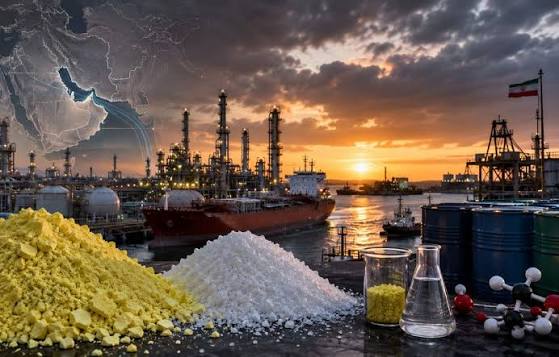
Methanol CAS: 67-56-1
Methanol CAS: 67-56-1
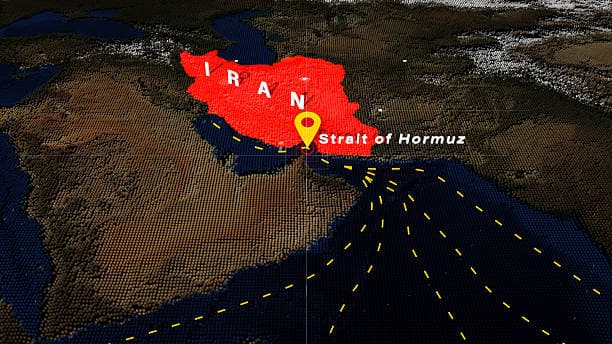
Vessel traffic through the Strait of Hormuz has fallen to single digits, a stark return to the lows seen in 2020. This sharp decline threatens chemical exports, fertilizer logistics, and global shipping schedules. Supply chains must adapt to the new reality of limited tanker movements and heightened uncertainty.

Explore what the successful transit of a fourth Saudi phosphate cargo through the Strait of Hormuz reveals about regional shipping conditions and fertilizer supply continuity.

Despite volatile monoethanolamine and ethylene oxide markets, taurine supply remains resilient. Chinese producers are offsetting feedstock pressures, offering stability for H2 2026. Supplement makers must reassess sourcing strategies to secure this dependable supply.
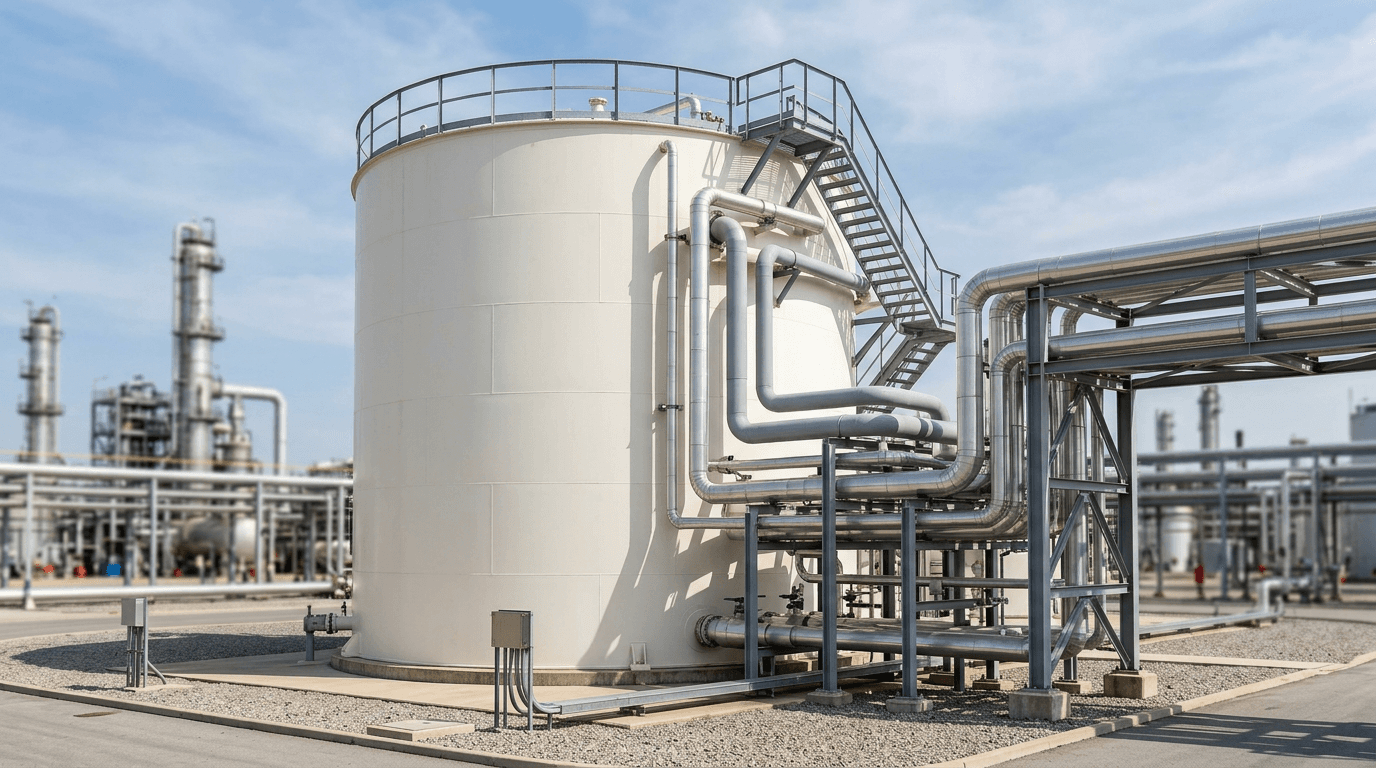
Conflicting statements about Iran negotiations create uncertainty for global chemical procurement teams. The latest Strait of Hormuz supply signals show why buyers should rely on verified logistics data instead of political headlines.

Force majeure declarations triggered by the Hormuz crisis are now entering a structured wind-down phase across chemical supply chains. Procurement and legal teams must formalise documentation to avoid pricing disputes, liability gaps and contract ambiguity in H2 2026.

The 2026 Hormuz crisis disrupted global chemical trade, but created major commercial winners. From OCP Morocco and Nutrien to Wanhua Chemical and US exporters, H1 2026 proved that supply chain disruption often shifts value rather than destroying it.
We're committed to your privacy. Tradeasia uses the information you provide to us to contact you about our relevant content, products, and services. For more information, check out our privacy policy.