
Reports indicating that approximately 85% of Iran's petrochemical capacity suffered damage during the recent conflict have created one of the most significant supply-side developments in global petrochemicals this year. While the June 17 Hormuz memorandum reduced concerns about shipping disruptions, the physical loss of production assets has created a far more complex challenge.
For ethylene and propylene buyers, the market has moved beyond questions of transportation and trade routes. The core issue now involves missing production capacity. With recovery timelines estimated at 12 to 18 months at minimum, traders, importers and industrial consumers must prepare for a prolonged period of structural supply adjustment.
The consequences extend well beyond Iran itself because ethylene and propylene serve as building blocks for numerous products that support global manufacturing and consumer markets.
Why Ethylene and Propylene Matter Across Global Supply Chains
Ethylene and propylene rank among the most important petrochemical feedstocks in the world.
Manufacturers convert these materials into a wide range of products that reach virtually every industrial sector. Any significant disruption in supply can ripple through multiple downstream markets.
Key derivatives include:
Polyethylene, which supports packaging, construction products and consumer goods manufacturing.
Polypropylene, widely used in automotive components, household products and industrial applications.
Ethylene oxide and glycols, critical ingredients for textiles, antifreeze and polyester production.
Various chemical intermediates used throughout plastics and specialty chemical manufacturing.
Because these products connect to diverse industries, supply interruptions often create effects that extend far beyond the petrochemical sector.
The Difference Between a Logistics Problem and a Capacity Problem
Many commodity markets recover quickly after transportation disruptions.
When shipping routes reopen, cargo flows typically resume and supply chains gradually normalize. The current situation differs because production assets themselves reportedly suffered extensive damage.
This distinction matters for buyers.
A logistics disruption may last weeks or months. Rebuilding petrochemical complexes, cracker units and associated infrastructure often requires significantly more time, capital and technical resources.
The market therefore faces a production shortage rather than a transportation bottleneck.
How Iranian Ethylene and Propylene Production Supported Regional Trade
Before the conflict, Iran occupied an important position within regional petrochemical trade.
Its producers supplied material directly to some markets while also reaching buyers through intermediaries and trading networks.
Iranian-origin products contributed to supply availability in several categories:
Polyethylene exports serving packaging and industrial markets.
Polypropylene shipments supporting manufacturing sectors.
Glycols used throughout polyester and textile supply chains.
Feedstocks and intermediates consumed by downstream chemical producers.
Many buyers may not have purchased directly from Iranian suppliers, yet they still benefited from the additional market liquidity generated by Iranian production.
Recovery Timelines Point to a Multi-Year Market Adjustment
Industry estimates suggesting a minimum recovery period of 12 to 18 months have major implications for procurement planning.
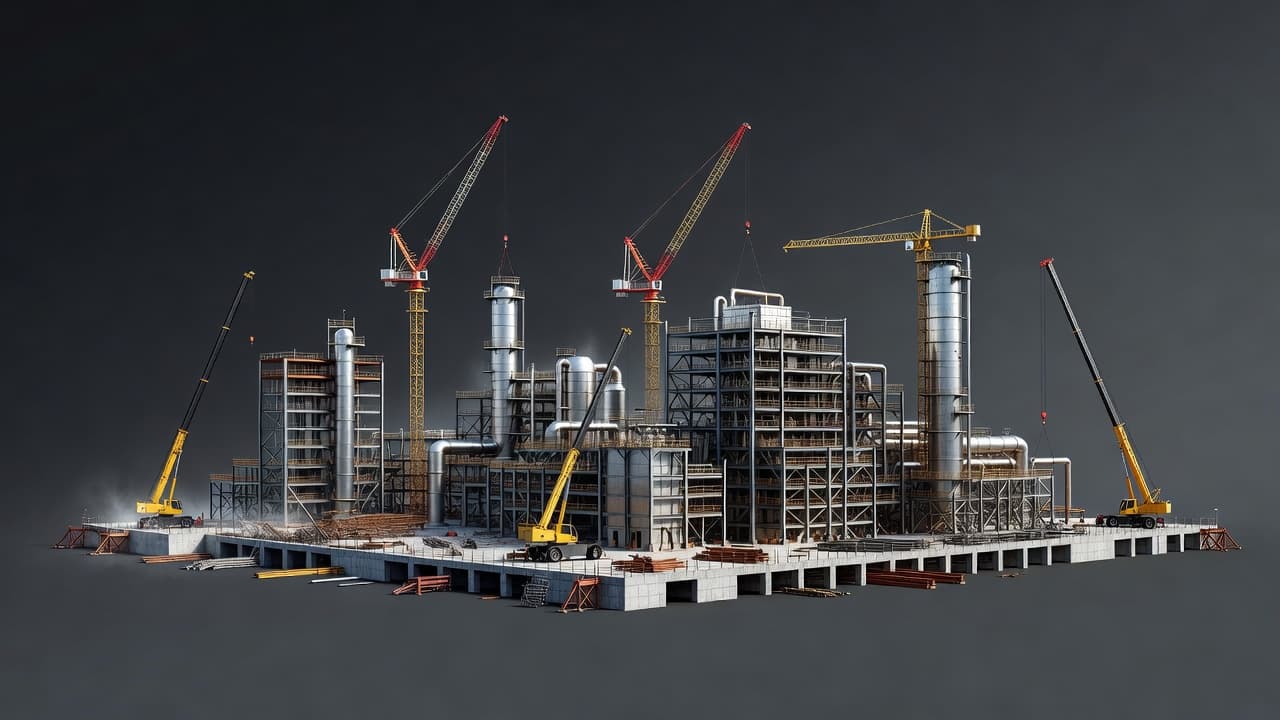
Large petrochemical facilities require extensive engineering work, equipment replacement and commissioning before operations can return to normal.
Several factors could influence recovery speed:
The extent of infrastructure damage.
Availability of replacement equipment.
Financing requirements for reconstruction projects.
Technical and engineering resource availability.
Regulatory and geopolitical considerations.
Even under favorable conditions, restoring large-scale petrochemical capacity rarely occurs quickly.
For buyers, this means the supply gap should be viewed as a medium-term market factor rather than a short-lived disruption.
Polyethylene and Polypropylene Markets Feel the Impact
The most visible consequences may emerge within polyethylene and polypropylene markets.
These commodity polymers depend heavily on ethylene and propylene feedstocks. Reduced availability of upstream production can influence regional supply balances and trade flows.
Buyers should monitor:
Export availability from alternative Middle Eastern producers.
Operating rates at Asian polymer facilities.
Inventory levels across key importing regions.
Changes in international trade routes.
The market may not experience uniform shortages, but sourcing patterns are likely to evolve.
Alternative Suppliers Gain Strategic Importance
The reduction in Iranian supply creates opportunities for competing producers.
Manufacturers in the Middle East, Asia and other export-oriented regions may gain additional market share as buyers seek replacement volumes.
Potential beneficiaries include:
Gulf producers with available export capacity.
Asian integrated petrochemical complexes.
Large-scale polyethylene and polypropylene manufacturers.
Suppliers capable of offering long-term contract reliability.
The shift may gradually reshape established trading relationships across multiple markets.
Ethylene Oxide and Glycols Markets Face Secondary Effects
The consequences extend beyond polymers.
Ethylene oxide and glycol production also depend on ethylene availability. These products support industries ranging from polyester manufacturing to industrial fluids and specialty chemical production.
Procurement teams involved in these sectors should evaluate potential exposure to:
Changes in regional pricing dynamics.
Supply concentration risks.
Longer procurement lead times.
Greater competition for available volumes.
Secondary impacts often emerge later than headline supply disruptions but can become equally important for downstream consumers.
Why Traders Must Rethink Historical Supply Assumptions
Many commodity traders build strategies around historical trade flows.
The current environment challenges those assumptions because previous supply patterns may not return quickly.
Market participants should avoid relying on expectations that Iranian-origin material will reappear in the near term.
Instead, traders should evaluate:
Alternative sourcing corridors.
New supplier qualification programs.
Regional inventory strategies.
Contract structures that improve flexibility.
The market increasingly requires adaptation rather than temporary contingency planning.
Global Trade Flows Could Shift for Several Years
Major supply disruptions often accelerate broader structural changes.
As buyers establish relationships with alternative suppliers, some of those changes may persist even after damaged facilities eventually resume production.
Possible long-term developments include:
Greater diversification of supplier portfolios.
Increased reliance on Asian production hubs.
Stronger market positions for competing Middle Eastern exporters.
More emphasis on supply security within procurement decisions.
These adjustments could influence trade patterns well beyond the initial recovery period.
What Procurement Teams Should Do Now
The destruction of significant Iranian petrochemical capacity represents a structural market event rather than a temporary logistics challenge. Ethylene and propylene supply chains now face a prolonged adjustment period that will influence feedstock availability, polymer markets and downstream chemical sectors.
Buyers who previously depended on Iranian-origin material, directly or indirectly, should focus on securing alternative supply arrangements as early as possible. Supplier diversification, inventory planning and long-term procurement visibility will become increasingly important as the market adapts to reduced production capacity.
The most effective procurement strategies will recognize that the supply gap reflects missing infrastructure rather than delayed shipments. Until substantial reconstruction occurs, replacement volumes must come from other regions and competing producers.
Ready to source Propylene Oxide from verified global suppliers? Explore competitive offers on our platform today.
Propylene Oxide CAS: 75-56-9