
Corn Gluten Meal (60% Min Protein) - Indonesia CAS: 66071-96-3
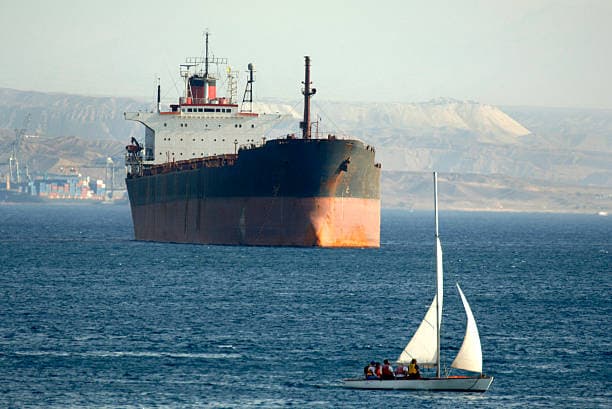
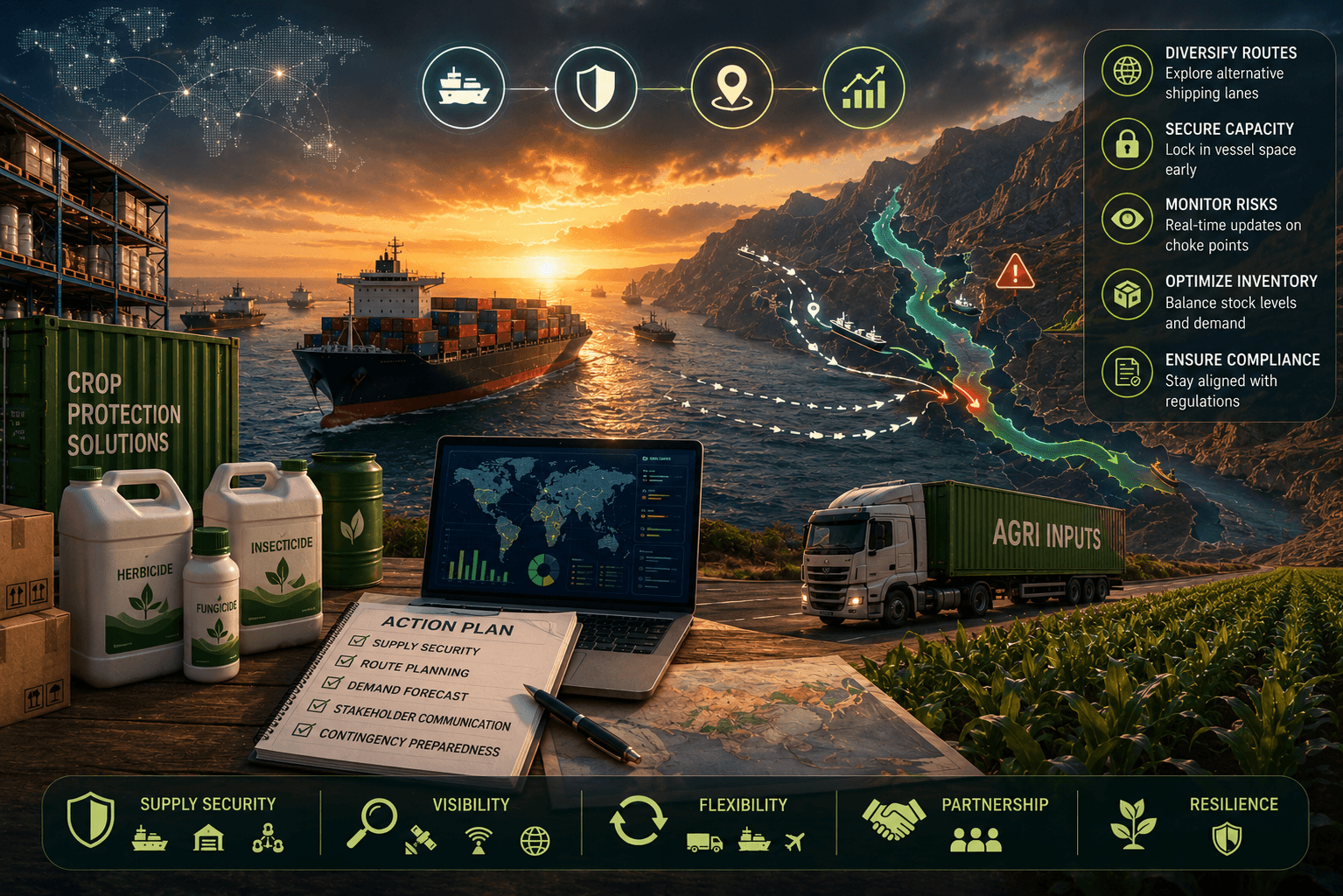
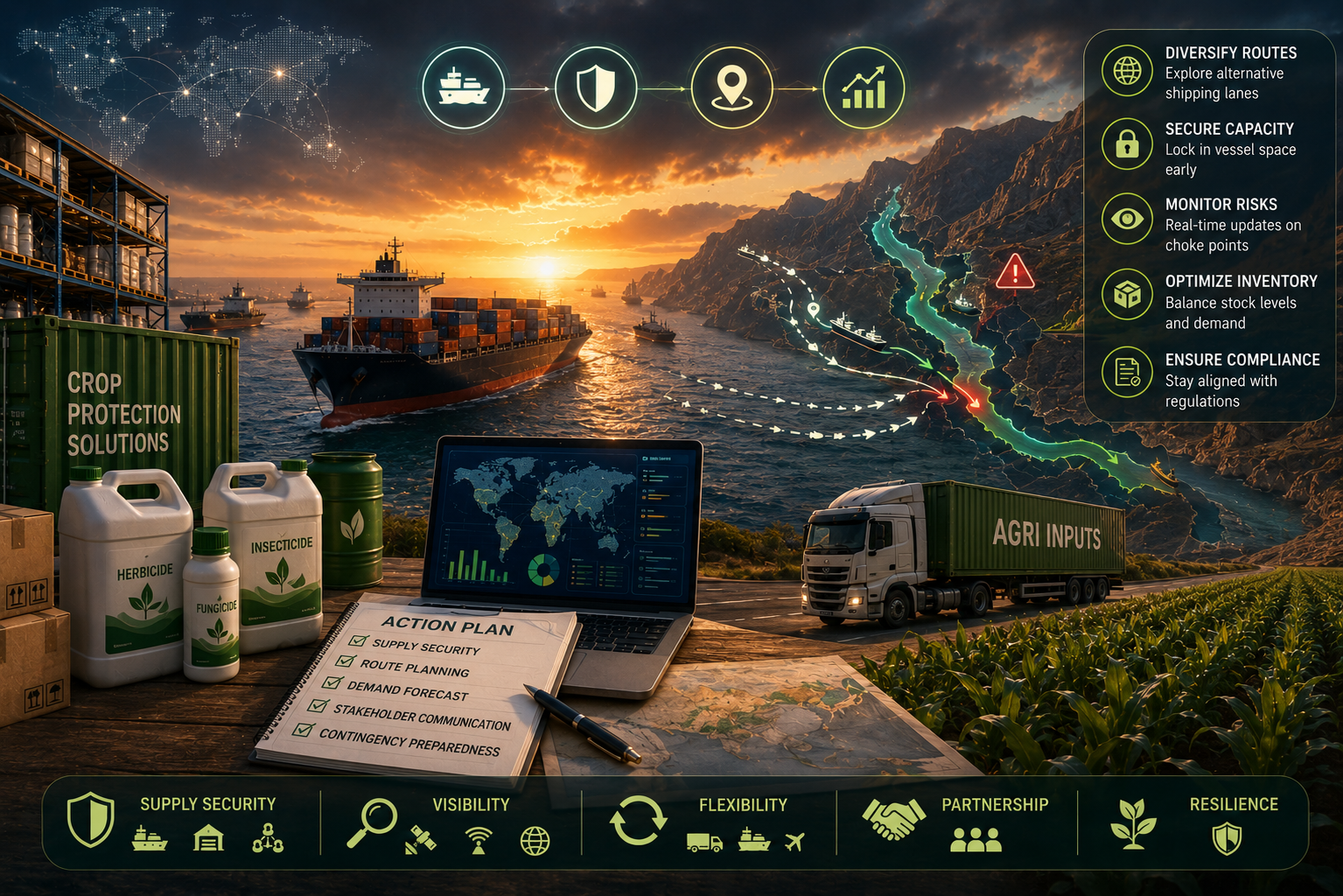
The Cape of Good Hope is emerging as the fallback route for chemical shipping as security risks in the Red Sea grow. This shift reshapes freight routes and impacts tanker logistics worldwide. Discover how maritime trade is adapting to new threats.
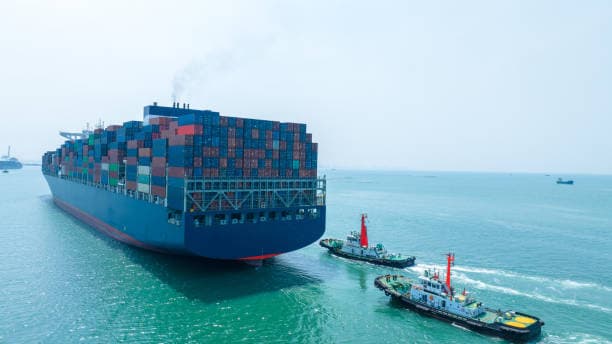
বিতরণে গ্লোবাল ফ্রেইট রেটকে সাময়িকভাবে বাড়িয়ে দিয়েছে। এই চরম পদক্ষেপের ফলে হরমুজ জলের নিরাপত্তা ও ট্যাঙ্কার অপারেশনে উদ্বেগ বেড়েছে, এবং গ্লোবাল কেমিক্যাল লজিস্টিকস ও ক্রয় সিদ্ধান্তগুলোকে পুনর্বিবেচনা করতে হচ্ছে।
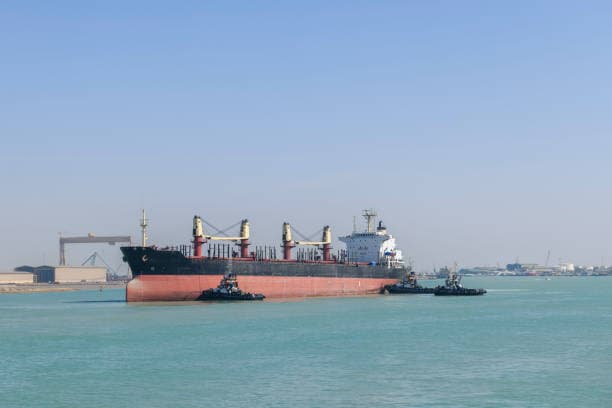
Despite heightened tensions in the Persian Gulf, Iranian-flagged ships continue to navigate key maritime corridors. Their persistent presence offers clues about regional shipping resilience, chemical logistics, and the evolving power dynamics of global supply chains.

Fermentation-based marine ingredients such as algal DHA, astaxanthin and beta-glucan offer food manufacturers a more resilient supply chain during periods of global shipping disruption. Procurement teams should understand why production geography matters as much as ingredient performance.
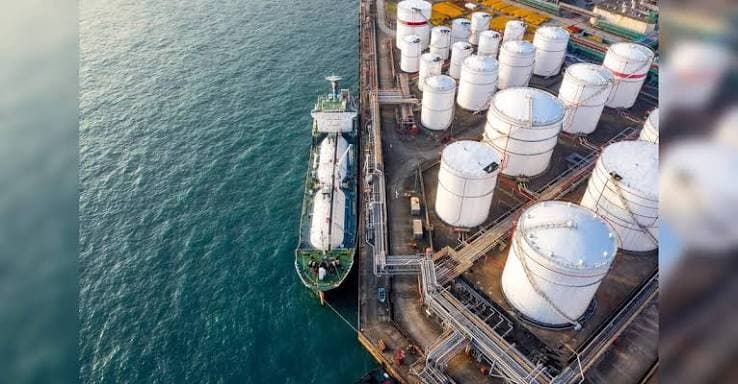
At the outbreak of conflict, Hapag‑Lloyd’s chief warned that logistics would remain disrupted long after hostilities cease. With Hormuz at a fraction of pre‑war traffic, carriers are still routing via the Cape of Good Hope. Chemical shippers must plan for the operational reality, not diplomatic optimism.
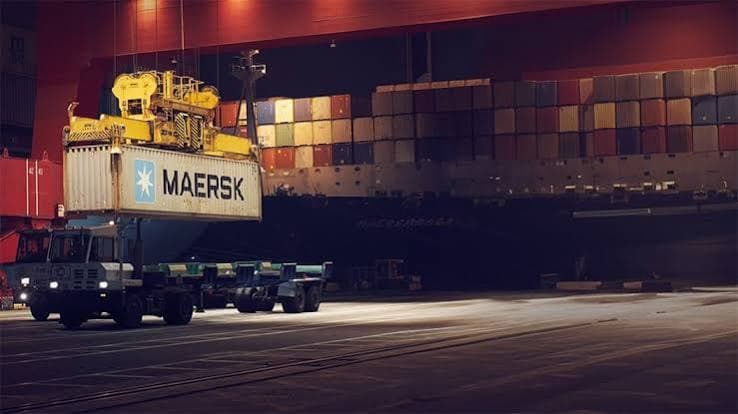
The first major monthly bunker adjustment factor reset of 2026 reflects Brent’s fall to $73.05, delivering a tangible freight cost cut for Cape of Good Hope routes. Chemical shippers can expect a 10‑20% drop in Cape surcharges, translating to $150‑$350 per TEU on major legs. It’s a partial relief, but a crucial lever for Q3 contract talks.
We're committed to your privacy. Tradeasia uses the information you provide to us to contact you about our relevant content, products, and services. For more information, check out our privacy policy.