


Related Insights

Farm Policy and Fertilizer Cost Relief: Why Long-Term Strategy Must Outlast Short-Term Market Volatility
Government efforts to improve fertilizer affordability continue despite renewed market volatility. Procurement professionals and agricultural businesses should understand how long-term policy initiatives can strengthen supply resilience even when short-term prices remain elevated.
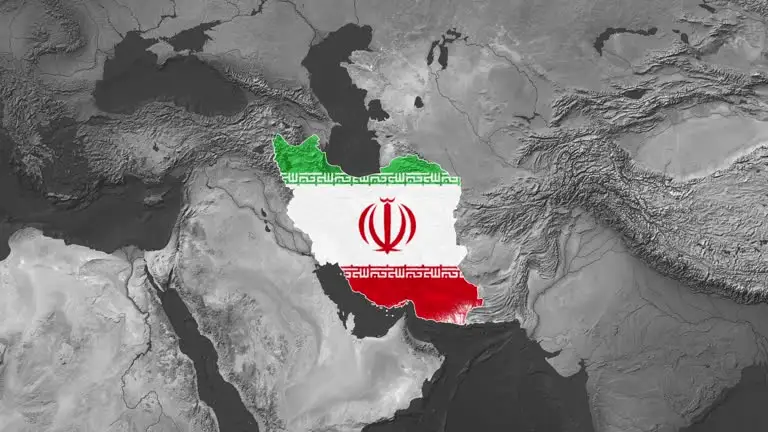
Iran's Hormuz Service Fees: A New Cost Layer for Gulf Chemical Trade
Iran’s proposed Hormuz transit fees could add $500–750 million annually to global chemical trade costs, creating a permanent landed‑cost increase for Gulf‑origin chemicals. This article analyzes the fee structure, its impact on petrochemical freight risk, and strategies for 2026 chemical procurement.
Japan Country Watch: The 46% Naphtha Import Collapse and the Structural Diversification Outcome
Japan's chemical industry enters H2 2026 after overcoming its most severe naphtha supply disruption in decades. The country's rapid diversification of feedstock sourcing may prove to be the most important long-term outcome of the Hormuz crisis, reshaping procurement strategies well beyond the recovery period.

Navigating Drug Shortages: Using IMO Incident Data to Mitigate Strait of Hormuz Supply Risks
The IMO dataset of 49 confirmed maritime incidents gives hospital pharmacy teams a structured roadmap to assess pharmaceutical exposure in the Gulf. By mapping API and chemical routes against high‑risk zones, procurement leaders can strategically plan Q3 logistics and safeguard patient care.

Rajasthan Guar Crop: Week One Planting Intelligence
The first week of July marks the beginning of Rajasthan's guar planting season. Early planting progress and monsoon conditions will influence guar gum supply for both the food and oilfield industries during the 2026–27 marketing year.

Force Majeure Wind-Down in H1 2026: Legal and Commercial Reset for Chemical Supply Contracts
Force majeure declarations triggered by the Hormuz crisis are now entering a structured wind-down phase across chemical supply chains. Procurement and legal teams must formalise documentation to avoid pricing disputes, liability gaps and contract ambiguity in H2 2026.
Don't miss out on our updates! Subscribe to our newsletter now
We're committed to your privacy. Tradeasia uses the information you provide to us to contact you about our relevant content, products, and services. For more information, check out our privacy policy.