
Citric Acid Anhydrous (E330) CAS: 77-92-9
Citric Acid Anhydrous (E330) CAS: 77-92-9
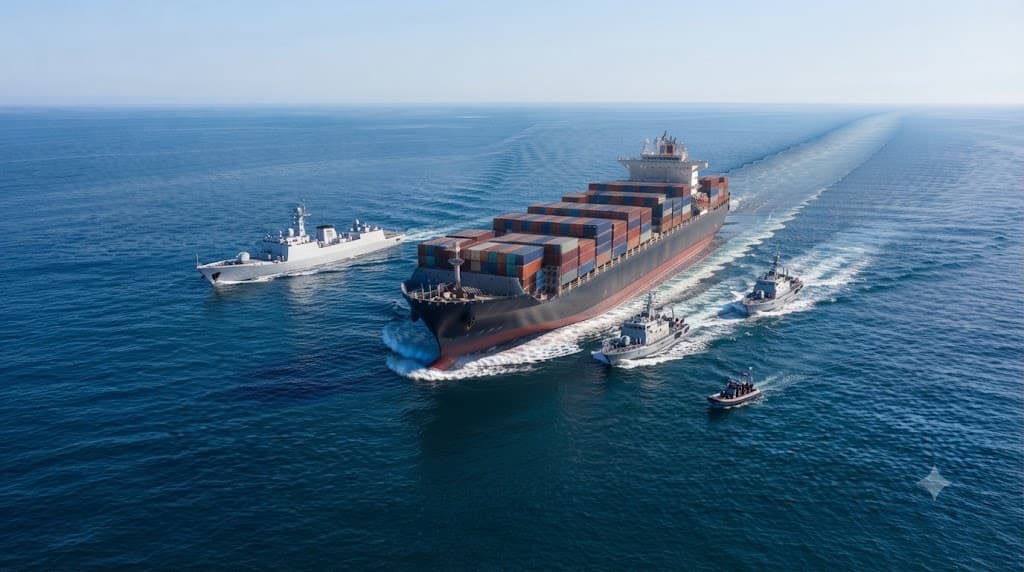
Iran's interception of four vessels over the weekend reveals critical insights into its naval enforcement posture. Chemical buyers must assess supply chain vulnerabilities and adjust sourcing strategies immediately.

Renewed geopolitical tensions threaten to elevate freight rates once again, putting pressure on chemical shipping, fertilizer logistics, and procurement budgets. This article explains the drivers, the sectors most exposed, and strategies to mitigate the impact.
The International Maritime Organization has confirmed 49 security incidents across Hormuz and the Persian Gulf as of June 30, creating the most comprehensive official risk dataset of the 2026 shipping crisis. For chemical tanker operators and cargo buyers, this record now defines insurance underwriting and shipping risk calculations for H2 2026.
Although Gulf shipping has improved significantly since the peak of the Hormuz crisis, hundreds of vessels remain awaiting transit. Understanding the commercial priority system governing departures is essential for chemical buyers tracking delayed cargoes and planning H2 2026 deliveries.

Gulf exports have recovered significantly during H1 2026, yet hundreds of vessels remain anchored across the region. This backlog highlights why chemical buyers should expect a gradual logistics recovery rather than an immediate return to normal shipping conditions.

The biologics supply chain remained resilient through H1 2026 despite higher logistics costs. As heparin production stays concentrated and biologics demand grows, procurement teams should focus on diversification, quality assurance, and long-term supplier partnerships.
We're committed to your privacy. Tradeasia uses the information you provide to us to contact you about our relevant content, products, and services. For more information, check out our privacy policy.