Japan’s Chemical Market in Transition
The Japanese chemical industry, traditionally centered on petrochemicals, is undergoing a rapid transformation driven by climate goals and international pressure to reduce greenhouse gas emissions. With the government’s 2030 target of a 46% reduction in CO2e emissions, companies are investing heavily in alternative feedstocks and carbon‑neutral technologies. Three pillars of this transition are gaining prominence: blue ammonia, e‑methanol and sustainable aviation fuel (SAF) chemicals.
Blue Ammonia: The New Hydrogen Carrier
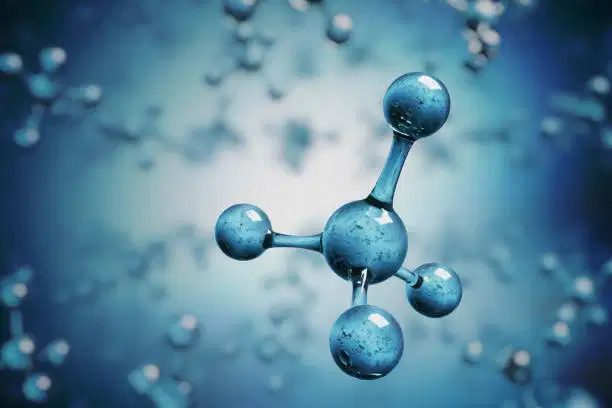
Blue ammonia is produced from natural gas with carbon capture and storage (CCS), resulting in a net‑zero or low‑carbon product. In Japan, the Japan Hydrogen Federation (JHF) and major chemical firms are collaborating to build a supply chain that integrates blue ammonia into fertilizer, plastics and energy storage systems. The key advantages include:
High Energy Density: Ammonia can be liquefied and transported via existing gas pipelines or ships.
Feedstock Flexibility: It can be cracked to produce hydrogen or used as a direct CO2e‑free nitrogen source.
Low Lifecycle Emissions: When CCS is applied, the carbon footprint drops by up to 90% compared with conventional ammonia.
Japanese companies such as JXTG Fuel & Chemical and INEOS Japan are already piloting blue ammonia production at scale, partnering with local universities to refine CCS technologies and optimize process economics.
Blue Ammonia in Circular Economy Japan
Integrating blue ammonia into a circular economy framework allows Japan to close the loop on nitrogen and carbon cycles. By using captured CO2e to produce synthetic methane or methanol, the ammonia can be part of a regenerative system where waste gases become valuable feedstocks.
E‑Methanol: Electricity Meets Chemistry
E‑methanol is synthesized by reacting CO2e captured from the atmosphere or industrial flue gases with hydrogen produced via electrolysis powered by renewable electricity. In Japan, the focus is on creating a closed‑loop system where e‑methanol serves as both a chemical feedstock and a renewable fuel.
Renewable Energy Integration: Japan’s strong hydro and offshore wind sectors provide a stable power supply for electrolysis.
Versatile Applications: E‑methanol can be used in plastics, solvents, and as a shipping fuel.
Low Carbon Footprint: Lifecycle analysis shows reductions of up to 80% versus conventional methanol.
Leading players like Showa Denko and Toray Industries are investing in pilot plants that combine e‑methanol production with carbon capture units, aiming to scale up to commercial volumes by 2030.
E‑Methanol and Green Feedstocks
By sourcing CO2e from industrial emissions and hydrogen from renewable electrolysis, e‑methanol represents a true green feedstock. This aligns with Japan’s Circular Economy Strategy 2025, which emphasizes the reuse of CO2e as a feedstock to create high‑value chemicals.
SAF Chemicals: Fueling the Skies Sustainably
Japan’s aviation sector is a major contributor to national emissions. Sustainable Aviation Fuel (SAF) derived from chemical feedstocks such as e‑methanol, biomass, and waste oils is gaining traction. Japanese airlines and manufacturers are partnering with chemical companies to secure a stable SAF supply chain.
Co‑Production with E‑Methanol: E‑methanol can be converted into SAF via the Fischer–Tropsch process, producing kerosene‑grade fuel.
Bio‑Based Alternatives: Feedstocks like algae, municipal waste, and agricultural residues are being converted into SAF through catalytic processes.
Government Incentives: Subsidies and tax breaks for SAF production make it economically viable.
Companies such as Honda Motor Co. and JAL are already testing SAF blends in commercial flights, demonstrating the feasibility of low‑carbon aviation fuel.
SAF and the Circular Economy in Japan
SAF production creates a closed‑loop system where waste biomass is converted into fuel, reducing landfill usage and providing a new revenue stream for farmers. This aligns with Japan’s goal to achieve a carbon‑neutral society by 2050.
Industrial Acceleration and Market Outlook
Japanese chemical firms are accelerating investment in blue ammonia, e‑methanol and SAF. The Japan Chemical Association forecasts a 15% annual growth in green chemical production over the next decade. Key drivers include:
Government mandates and carbon pricing.
Technological advancements in CCS and electrolysis.
Growing demand from automotive, aviation and energy sectors.
Strategic partnerships between industry and academia.
The convergence of these technologies is expected to reduce production costs, improve scalability and foster a resilient supply chain that supports Japan’s decarbonization roadmap.
Coconut Diethanolamide CAS: 120-40-1