
Boric Acid (99.9% Granular) - Peru CAS: 10043-35-3
Boric Acid (99.9% Granular) - Peru CAS: 10043-35-3

Canadian potash tariff uncertainty continues to shape U.S. buyers’ procurement decisions and pricing expectations, even though no formal trade barriers have been imposed. This article explores the lingering risk, its impact on supply chains, and strategic responses adopted by the industry.
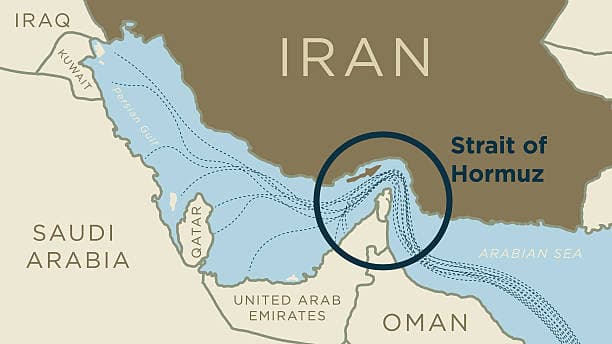
The Strait of Hormuz has seen fresh clashes that are once again cutting vessel transits, disrupting the flow of chemicals and fertilizers. These tensions elevate freight risk and threaten the stability of the global supply chain.
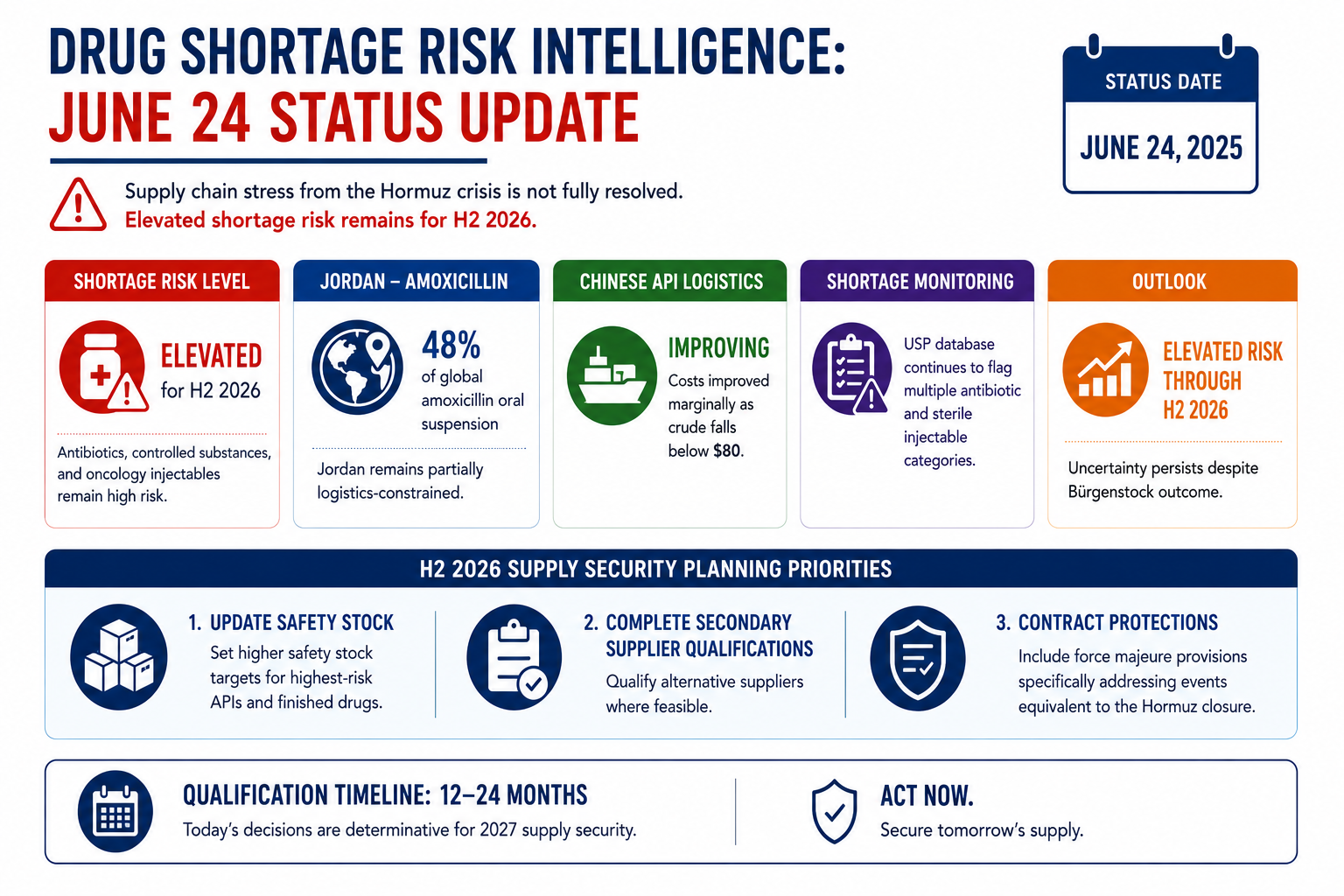
The July 1, 2026 pharmaceutical supply chain review highlights the latest drug shortage risks. While logistics for Indian and Chinese APIs continue improving, critical antibiotics, sterile injectables, and GLP-1 manufacturing inputs remain key procurement priorities.
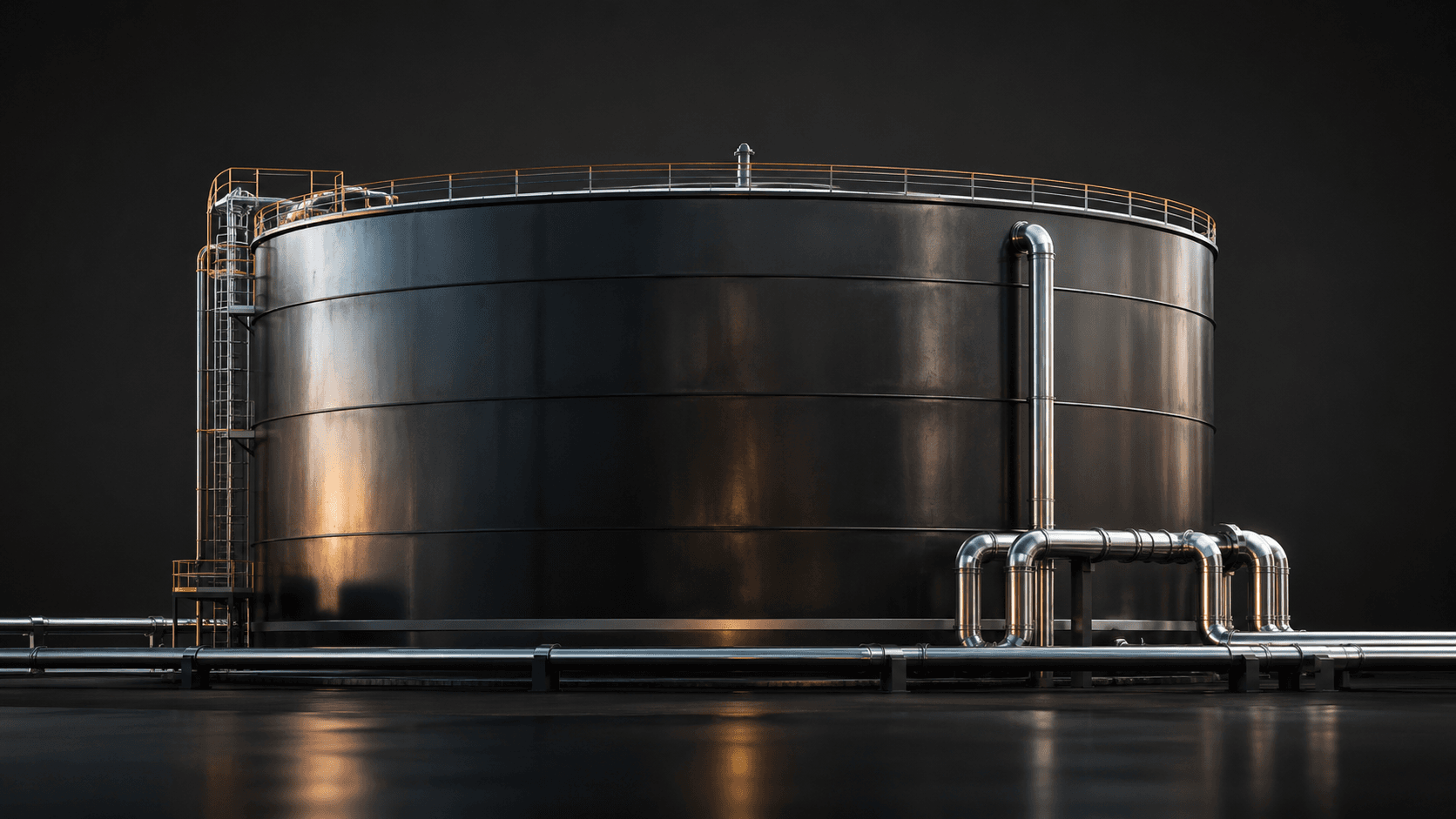
Brent crude has dropped to $72.60 despite ongoing military escalation across the Gulf. This unusual market reaction signals that supply recovery currently outweighs geopolitical risk, creating important implications for petrochemical procurement and chemical pricing in the months ahead.
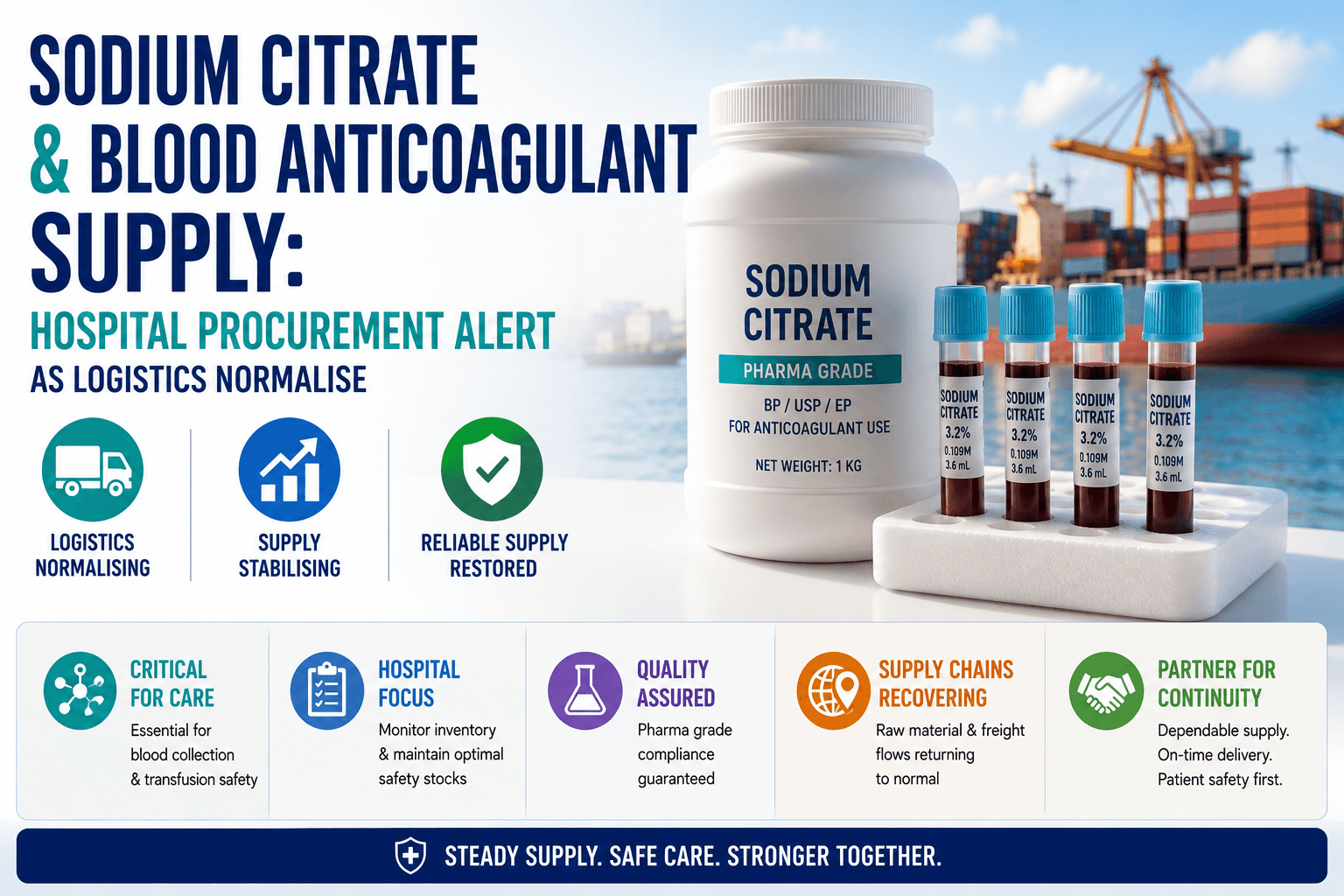
Sodium citrate supply is stabilizing as global logistics recover and freight costs begin easing. Hospital procurement teams should use the next 6–8 weeks to rebuild safety stock levels after months of inventory drawdown during the 2026 supply disruption.
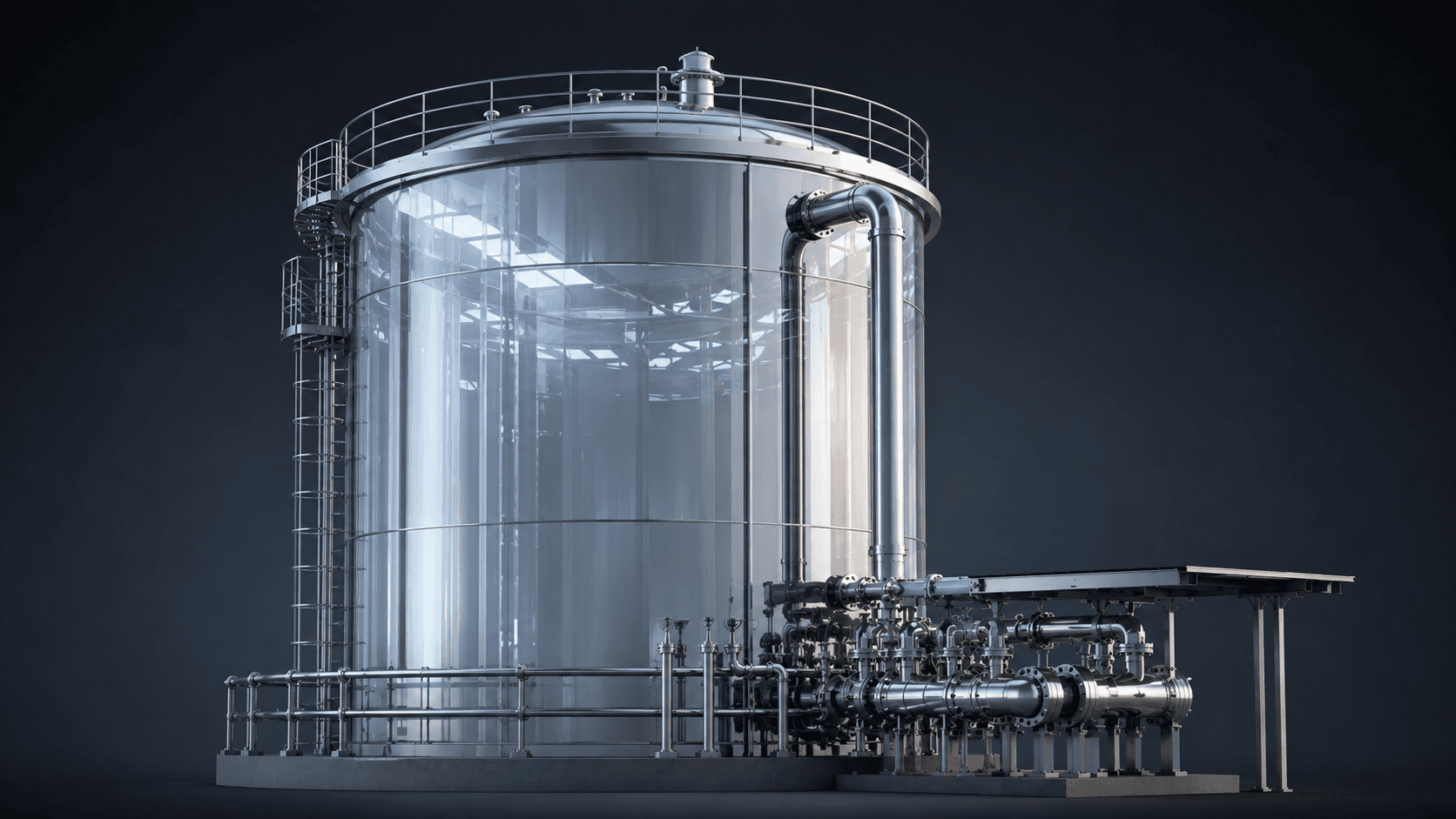
Electronic-grade hydrogen peroxide remains one of the tightest specialty chemical markets in 2026. Semiconductor expansion across Asia continues to absorb available supply, while European production constraints limit market flexibility. Procurement teams face a structurally tight market that shows little connection to Middle East shipping developments.
We're committed to your privacy. Tradeasia uses the information you provide to us to contact you about our relevant content, products, and services. For more information, check out our privacy policy.