Background
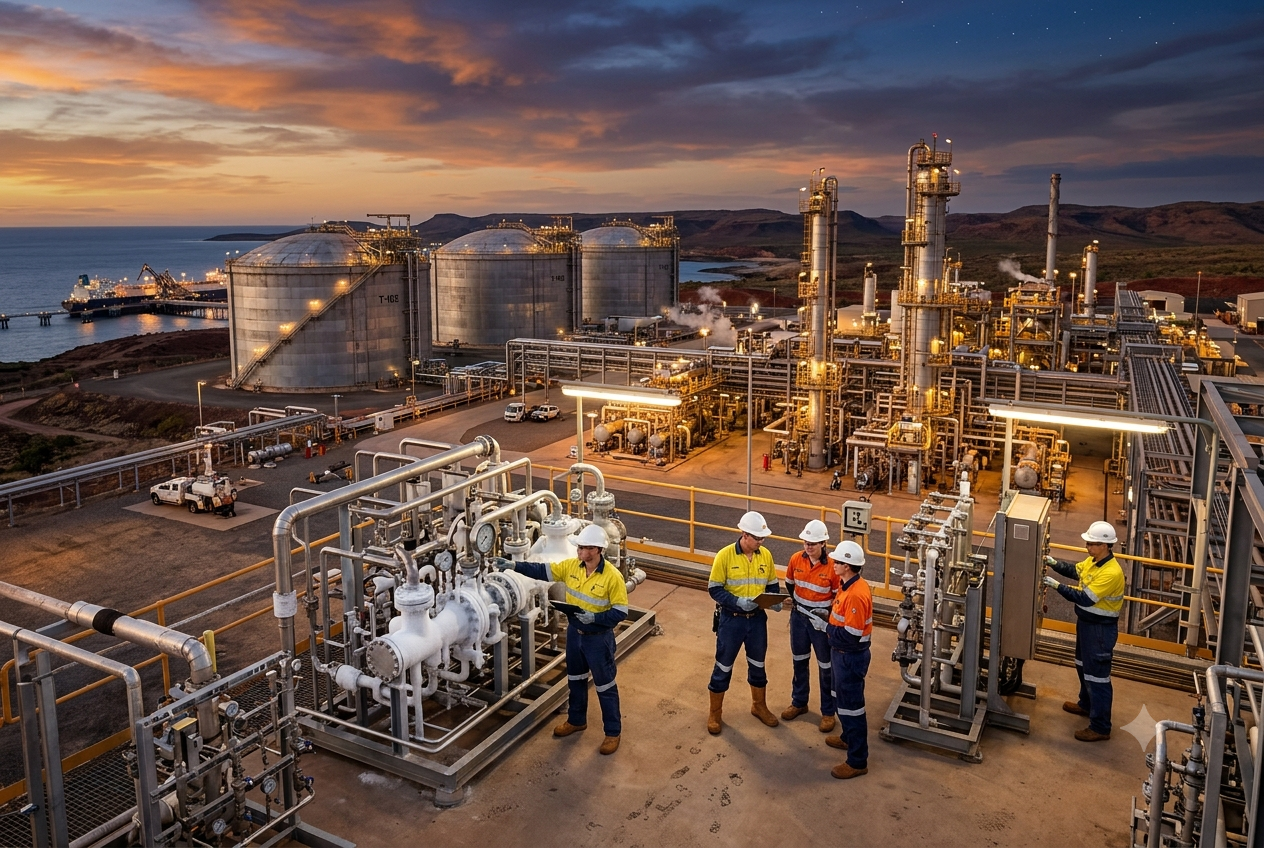
The Ichthys LNG project, jointly owned by INPEX, TotalEnergies, and Shell, was designed to supply liquefied natural gas to Japan and South Korea. In 2023, a multi‑year industrial dispute erupted when INPEX questioned the project’s financial viability, triggering a supply halt that rippled across the region.
The Dispute Unfolds
Key Events
INPEX withheld payments to contractors, citing cost overruns and delayed construction milestones.
Contractors responded with legal action, demanding full compensation.
Supply interruptions began mid‑2023, affecting the first LNG deliveries scheduled for early 2024.
Root Causes
The dispute stemmed from a combination of escalating project costs, shifting market prices, and a complex profit‑sharing model that left INPEX vulnerable to short‑term cash flow pressures.
Impact on LNG Buyers
Japanese and Korean utilities, which had relied on Ichthys LNG for 17% of their natural gas mix, faced sudden shortages. The ripple effect was felt by downstream consumers, including chemical manufacturers dependent on natural gas as a feedstock.
Supply Chain Vulnerabilities
Limited alternative sources in the Asia Pacific region.
Long lead times for new LNG contracts.
Price volatility driven by supply uncertainty.
Chemical Feedstock Implications
Natural gas is a critical input for producing ethylene, propylene, and other petrochemicals. Disruptions in LNG supply directly translate to feedstock shortages, affecting production schedules and product pricing.
Case Studies
In 2024, a leading Japanese polymer plant reported a 12% production slowdown due to feedstock shortages.
South Korean petrochemical complexes experienced a 9% increase in raw material costs, eroding profit margins.
Lessons for Procurement
The Ichthys LNG dispute underscores the need for resilient procurement strategies. Chemical buyers must adopt a multi‑layered approach that balances cost, reliability, and flexibility.
Strategic Recommendations
Diversify Suppliers – Expand the vendor base to include regional LNG projects and alternative gas sources such as pipeline gas or biogas.
Lock‑in Long‑Term Contracts – Secure multi‑year agreements with price‑cap mechanisms to hedge against sudden supply shocks.
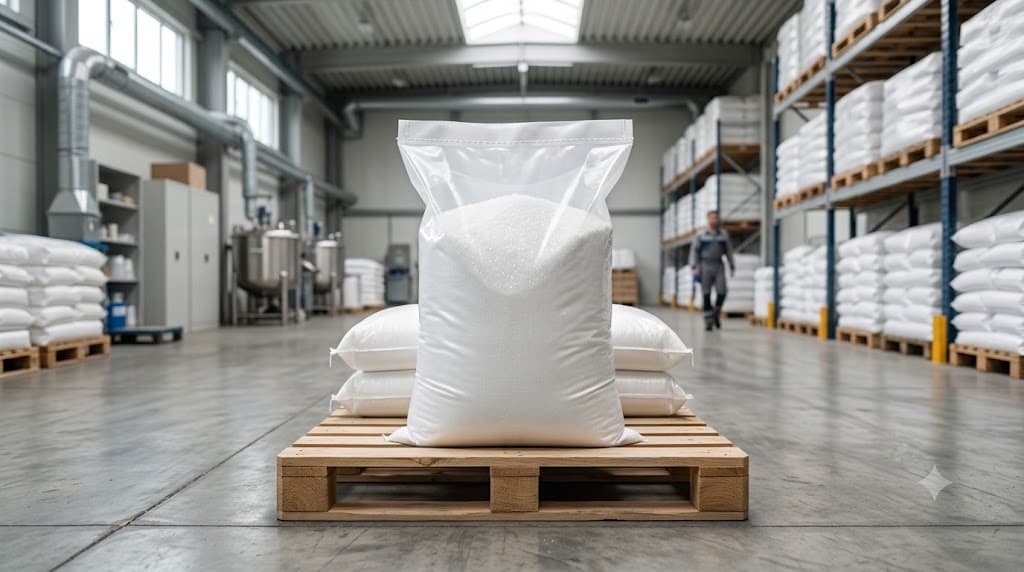
Build Inventory Reserves – Maintain strategic stockpiles of key feedstocks to cushion short‑term disruptions.
Leverage Joint Ventures – Engage in partnership models that share risk and operational expertise.
Monitor Regulatory Changes – Stay ahead of policy shifts that could affect project financing or environmental approvals.
Strategic Mitigation Framework
A robust mitigation framework combines contractual safeguards, financial hedging, and operational agility. Chemical producers should also invest in technology that reduces dependency on natural gas, such as renewable feedstock conversion or carbon capture integration.
Implementation Roadmap
Audit current LNG exposure and identify critical points of failure.
Initiate supplier diversification and assess alternative sourcing options.
Negotiate long‑term contracts with built‑in flexibility clauses.
Allocate budget for strategic inventory and emergency procurement funds.
Deploy monitoring tools to track supply chain health in real time.
Conclusion
The INPEX‑Ichthys LNG dispute serves as a stark reminder that energy supply chains are not immune to industrial disputes. For chemical buyers and procurement teams, the lesson is clear: diversify, hedge, and prepare for the unexpected to safeguard production continuity and maintain competitive advantage in the Asia Pacific market.
Methanol CAS: 67-56-1