
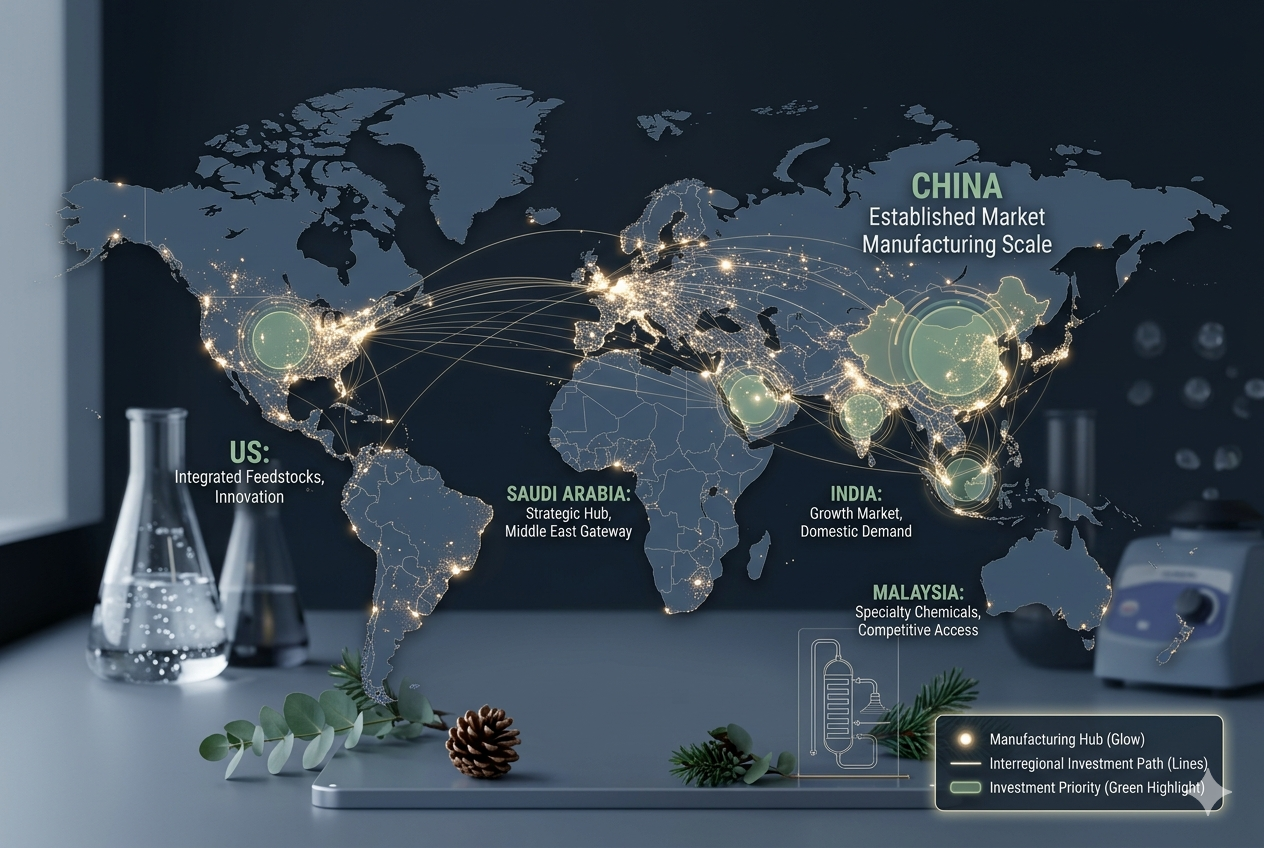
Methanol CAS: 67-56-1

Methanol CAS: 67-56-1

The first half of 2026 reshaped pharmaceutical chemical procurement through supply chain disruptions, rising logistics costs, GLP-1 manufacturing expansion, and evolving regulatory requirements. Here are the key intelligence insights and procurement priorities for H2 2026.
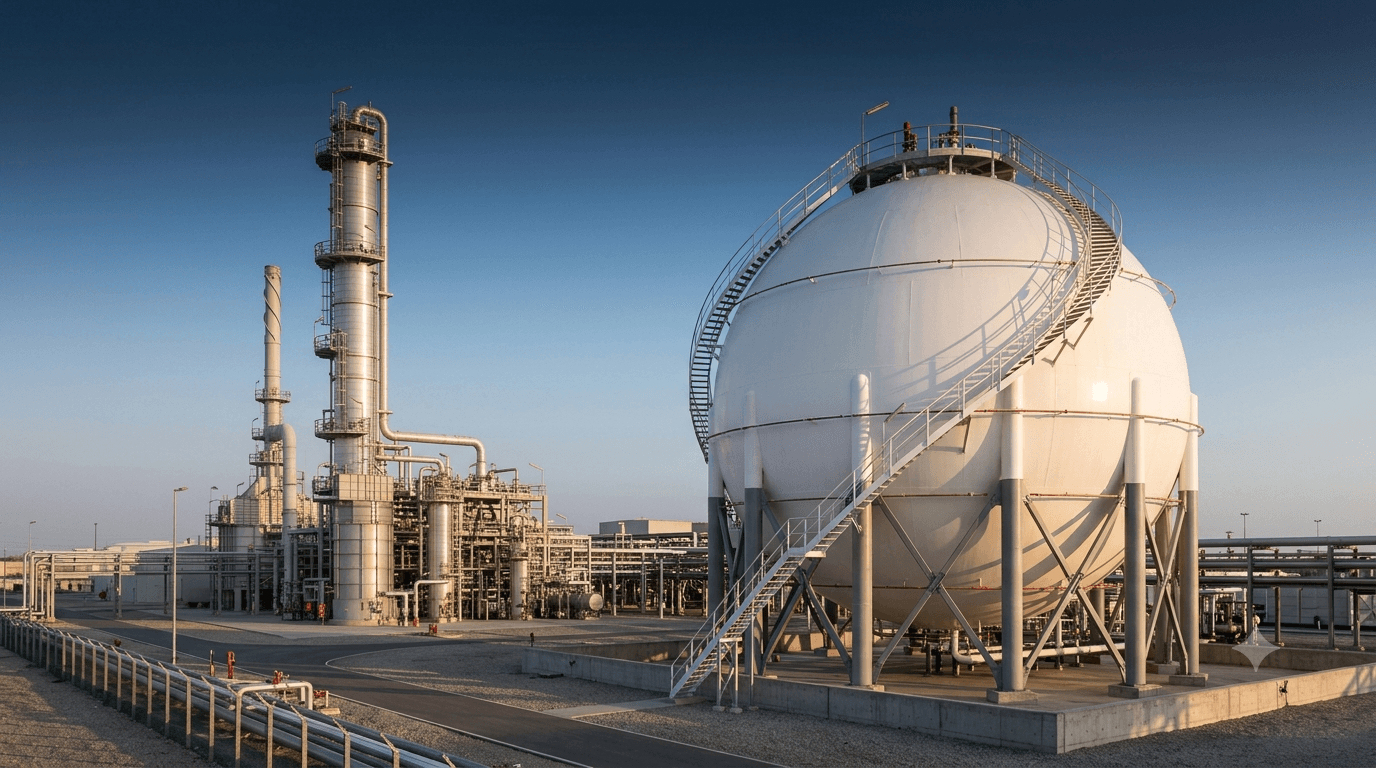
Wood Mackenzie's latest market assessment suggests the Hormuz disruption could permanently reshape global chemical production. Procurement teams that identify supplier risks early and qualify alternative sources now will stand in a stronger position as supply tightens.
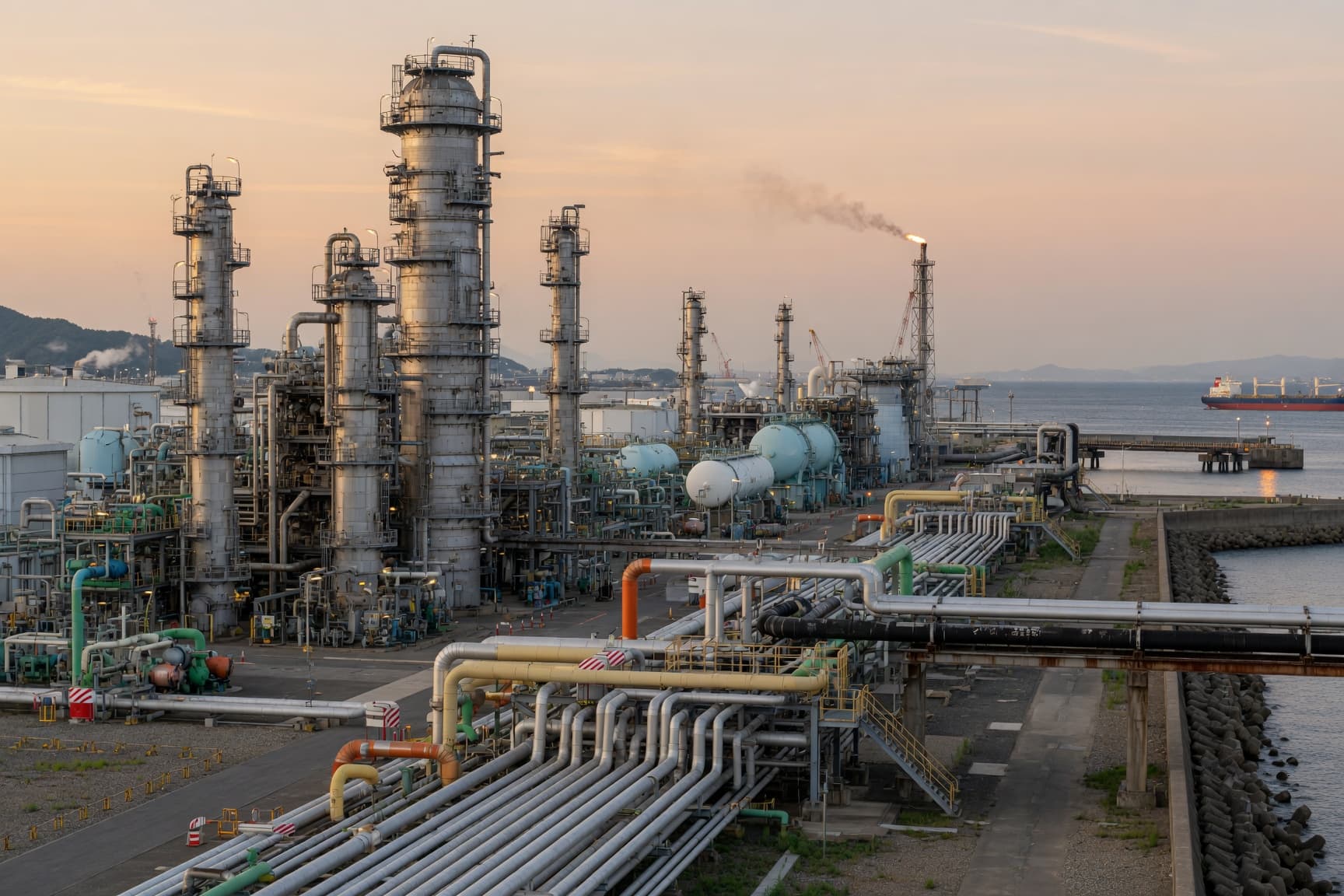
Japan’s petrochemical sector is facing major feedstock pressure as naphtha cracker utilization falls sharply after supply disruptions. Buyers and producers are increasingly evaluating bioethanol-based alternatives and circular economy strategies for future chemical production.
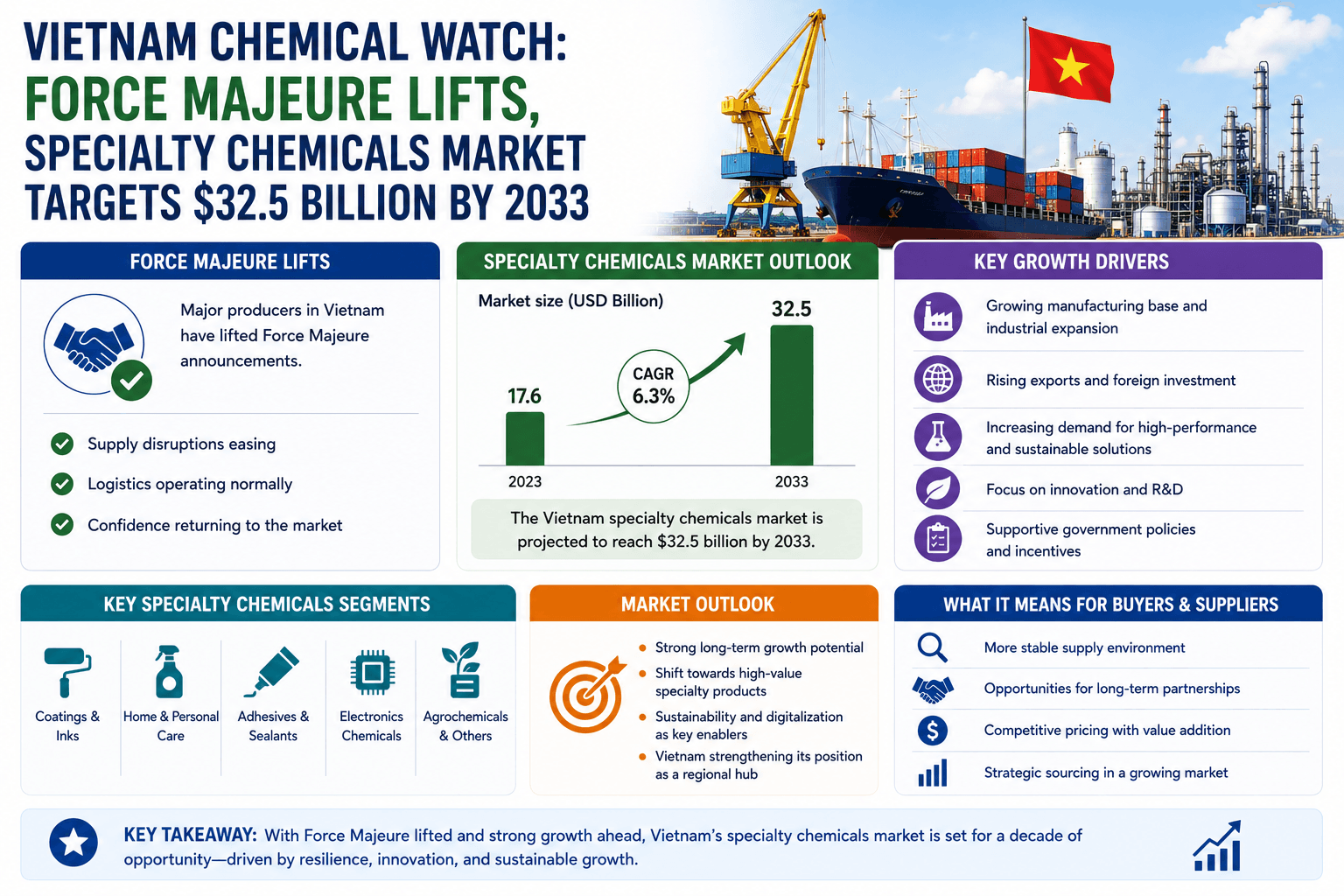
Vietnam’s chemical market is shifting beyond commodity imports toward a fast-growing specialty chemicals sector projected to reach $32.5 billion by 2033, driven by electronics, pharmaceuticals, semiconductors, and advanced manufacturing growth.
The soda ash market is facing a major supply transformation as European synthetic producers operate at historically low rates. Global buyers are evaluating Turkish and Chinese supply options as energy costs reshape regional competitiveness.

In 2026 the global carbon black market pivots around tire manufacturing, tightening EU REACH rules, and China’s premium N220, N330, N550 grades. This article examines demand trends, regulatory hurdles and sustainability challenges shaping the sector.
We're committed to your privacy. Tradeasia uses the information you provide to us to contact you about our relevant content, products, and services. For more information, check out our privacy policy.